Interactive touchscreen panels with integrated computing functions fall under automatic data-processing machines rather than display monitors for cust...
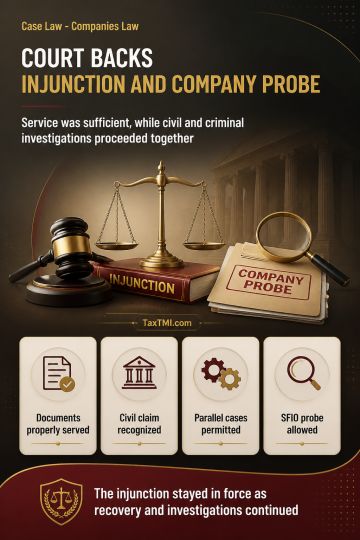
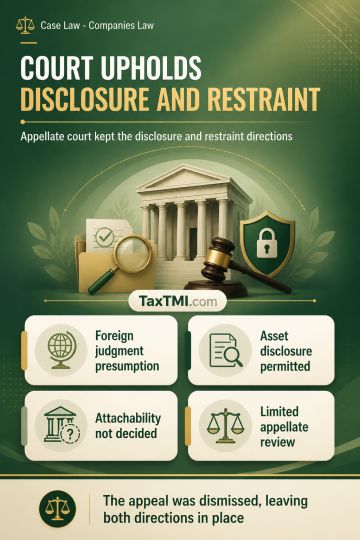
Ex parte injunction service requirements were substantially met, while civil recovery and SFIO investigation into provident fund defalcation continued...
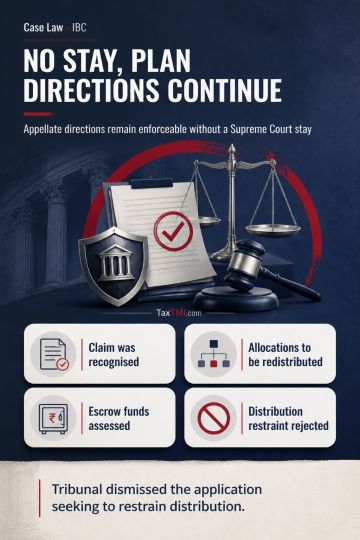
Enforcement of resolution-plan directions continues without a Supreme Court stay, preventing suspension of redistribution and escrowed-fund distributi...
Third-party ownership claims over attached property require Special Court adjudication where purchasers lack registered sale deeds and bona fides rema...
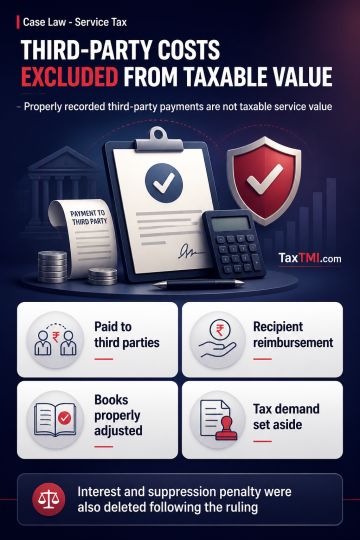
Pure-agent reimbursements in clearing and forwarding services are excluded from taxable value when qualifying third-party payments are properly record...
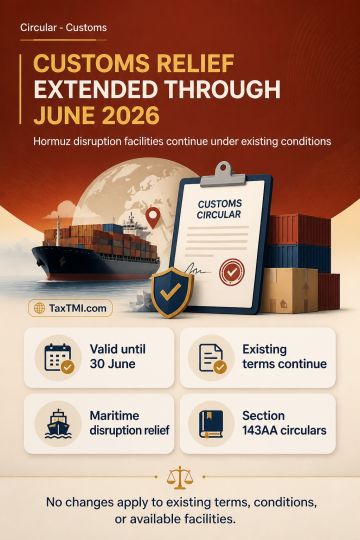
Customs relief for Strait of Hormuz maritime disruptions remains available, with existing conditions continuing unchanged through the extended validit...
Applicability: The waiver provisions u/s 128A apply to cases involving tax demands u/s 73 for financial years 2017-18, 2018-19, and 2019-20, and cases involving erroneous refunds. To avail the waiver, the full tax amount demanded must be paid by the notified date, excluding amounts no longer payable due to retrospective amendments to Section 16(5) and 16(6). Procedure: Applications for waiver must be filed in prescribed forms, and proper officers will examine eligibility. Notices may be issued, and applicants can file replies. Orders approving or rejecting waiver applications will be issued, with deemed approval if no order is passed within the time limit. Appeals against rejection orders are allowed. Payments: Amounts paid towards the demand before the notified date, including by tax officers recovering from other persons, are considered payments for eligibility. Interest/penalty amounts cannot be adjusted against tax dues. Partial payments do not qualify for waiver. ITC can be utilized for payment, except for reverse charge/e-commerce operator liabilities and erroneous refund demands. Clarifications: The circular provides clarifications on various issues, including applicability to IGST/Cess demands, transitional credit demands, penalties under other provisions, import IGST.
Applicability: The waiver provisions u/s 128A apply to cases involving tax demands u/s 73 for financial years 2017-18, 2018-19, and 2019-20, and cases involving erroneous refunds. To avail the waiver, the full tax amount demanded must be paid by the notified date, excluding amounts no longer payable due to retrospective amendments to Section 16(5) and 16(6). Procedure: Applications for waiver must be filed in prescribed forms, and proper officers will examine eligibility. Notices may be issued, and applicants can file replies. Orders approving or rejecting waiver applications will be issued, with deemed approval if no order is passed within the time limit. Appeals against rejection orders are allowed. Payments: Amounts paid towards the demand before the notified date, including by tax officers recovering from other persons, are considered payments for eligibility. Interest/penalty amounts cannot be adjusted against tax dues. Partial payments do not qualify for waiver. ITC can be utilized for payment, except for reverse charge/e-commerce operator liabilities and erroneous refund demands. Clarifications: The circular provides clarifications on various issues, including applicability to IGST/Cess demands, transitional credit demands, penalties under other provisions, import IGST.
Note: It is a system-generated summary and is for quick reference only.
 TaxTMI
 of 4803







 Join Channel


 TaxTMI