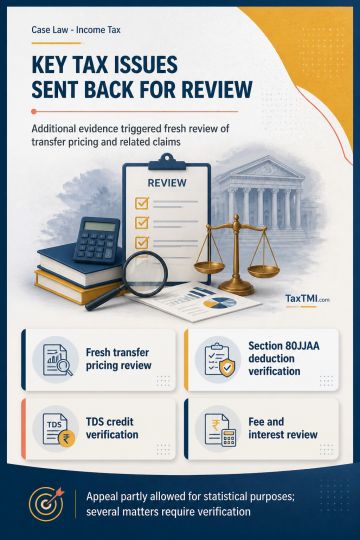
Additional evidence in transfer pricing dispute leads to fresh examination, while tax deductions, TDS credit, fee and refund interest require verifica...
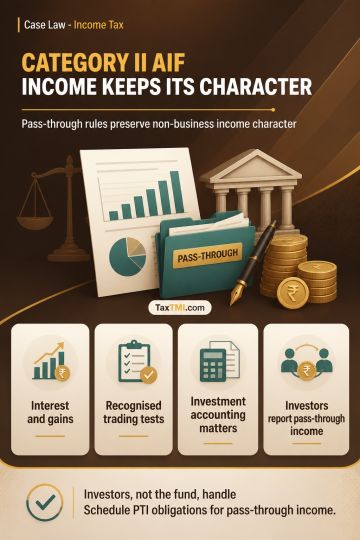
Category II AIF pass-through taxation preserves non-business income character; investment receipts cannot be reclassified without applying recognised ...
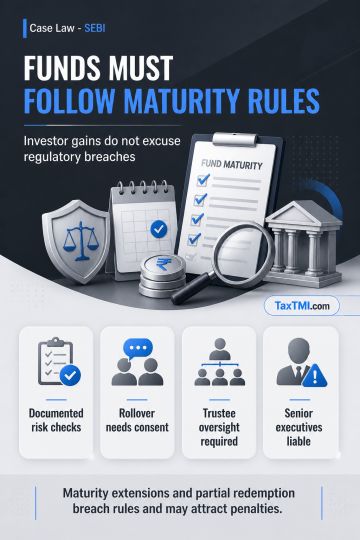
Mutual fund maturity rules require proper rollover, redemption, disclosure, and due diligence; investor gains cannot excuse regulatory breaches or pen...
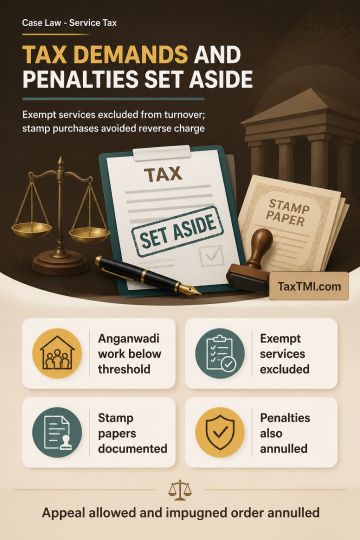
Threshold exemption excludes exempt services, while stamp-paper purchases avoid reverse charge; consequential service tax penalties were also set asid...
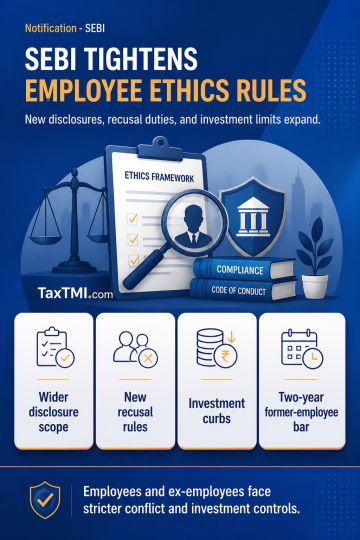
Employee conflict disclosures and investment restrictions expand with new recusal duties, post-employment limits, and compliance reporting requirement...
The assessee trust was denied exemption u/s 11 as it was found to be systematically exploiting its property commercially by renting out space for exhibitions, corporate meetings, etc., which were not related to the objects of the trust. The Assessing Officer held that these activities were not incidental to attaining the trust's objectives. Additionally, the assessee failed to maintain separate books of accounts for such commercial receipts as required u/s 11(4A). The Tribunal observed that based on the Supreme Court's decision in Ahmedabad Urban Development Authority, an entity can be granted exemption if the profits generated while carrying out general public utility objectives do not exceed 20% of total receipts as per the second proviso to Section 2(15). However, this aspect was not adjudicated upon by the lower authorities. Consequently, the Tribunal set aside the impugned order and restored the matter to the Assessing Officer to decide afresh, considering the ratio of the Ahmedabad Urban Development Authority judgment regarding the 20% limit on commercial receipts. The revenue's appeal was partly allowed for statistical purposes.
The assessee trust was denied exemption u/s 11 as it was found to be systematically exploiting its property commercially by renting out space for exhibitions, corporate meetings, etc., which were not related to the objects of the trust. The Assessing Officer held that these activities were not incidental to attaining the trust's objectives. Additionally, the assessee failed to maintain separate books of accounts for such commercial receipts as required u/s 11(4A). The Tribunal observed that based on the Supreme Court's decision in Ahmedabad Urban Development Authority, an entity can be granted exemption if the profits generated while carrying out general public utility objectives do not exceed 20% of total receipts as per the second proviso to Section 2(15). However, this aspect was not adjudicated upon by the lower authorities. Consequently, the Tribunal set aside the impugned order and restored the matter to the Assessing Officer to decide afresh, considering the ratio of the Ahmedabad Urban Development Authority judgment regarding the 20% limit on commercial receipts. The revenue's appeal was partly allowed for statistical purposes.
Note: It is a system-generated summary and is for quick reference only.
 TaxTMI
 of 4803





 Join Channel


 TaxTMI
