Cooperative society deposits, member-interest TDS exemption and credit-facility deduction claims require verification through records and supporting e...
Customs jurisdiction over EPCG condition breaches survives export-obligation discharge certificates, requiring alleged fraud and misdeclaration to be ...
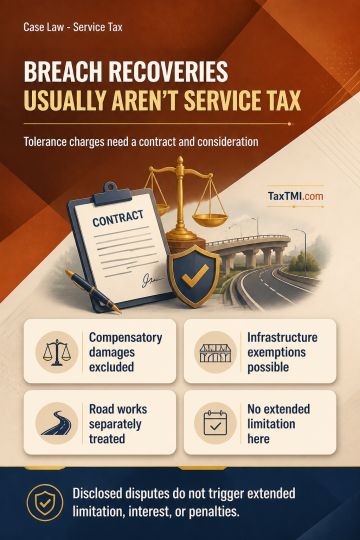
Contractual tolerance requires consideration; breach recoveries, qualifying public infrastructure services and road works escape service tax liability...
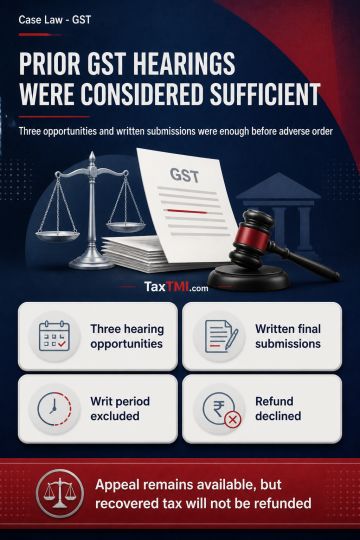
Personal hearing requirements in GST adjudication were satisfied by prior opportunities and written submissions; appellate limitation received writ-pe...
The Appellate Tribunal dismissed the appeal filed by the Appellants, who were allottees seeking equitable treatment with other creditors in the same class, amendment of the Information Memorandum (IM) reflecting their units as cancelled, and refund of the amount paid. The key points are: The Resolution Professional (RP) lacks adjudicatory powers on claims filed before them and could not have reversed the cancellation action taken by the Corporate Debtor prior to the CIRP initiation. The Resolution Plan, approved by the Committee of Creditors (CoC) with 100% majority, provided treatment to the cancelled allottees, complying with Section 30 of the Code. The Appellants had approached UPRERA and accepted partial refunds from the erstwhile management, indicating acceptance of cancellation. The Appellants did not challenge the pre-CIRP cancellation and misrepresented their claims. The CoC and RP could not revoke the cancellation as it was beyond their jurisdiction. The cancellation was based on an unchallenged UPRERA order, and the CoC acted within its commercial wisdom in approving the Resolution Plan. The Appellate Tribunal found no fault in the due process followed by the Adjudicating Authority.
The Appellate Tribunal dismissed the appeal filed by the Appellants, who were allottees seeking equitable treatment with other creditors in the same class, amendment of the Information Memorandum (IM) reflecting their units as cancelled, and refund of the amount paid. The key points are: The Resolution Professional (RP) lacks adjudicatory powers on claims filed before them and could not have reversed the cancellation action taken by the Corporate Debtor prior to the CIRP initiation. The Resolution Plan, approved by the Committee of Creditors (CoC) with 100% majority, provided treatment to the cancelled allottees, complying with Section 30 of the Code. The Appellants had approached UPRERA and accepted partial refunds from the erstwhile management, indicating acceptance of cancellation. The Appellants did not challenge the pre-CIRP cancellation and misrepresented their claims. The CoC and RP could not revoke the cancellation as it was beyond their jurisdiction. The cancellation was based on an unchallenged UPRERA order, and the CoC acted within its commercial wisdom in approving the Resolution Plan. The Appellate Tribunal found no fault in the due process followed by the Adjudicating Authority.
Note: It is a system-generated summary and is for quick reference only.
 TaxTMI
 of 4788










 Join Channel


 TaxTMI