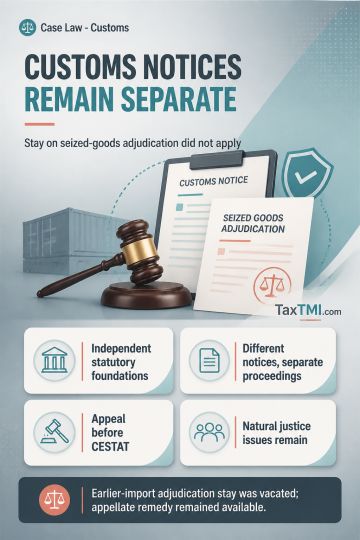
Independent show-cause notices remain separate proceedings, while customs adjudication challenges should ordinarily follow the statutory appellate rem...
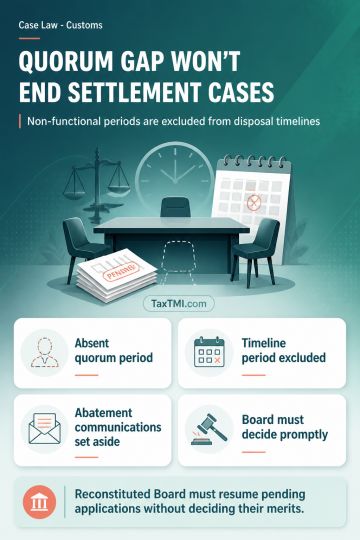
Institutional incapacity in customs settlement proceedings excludes non-functional quorum periods from statutory disposal timelines, preventing automa...
Interactive touchscreen panels with integrated computing functions fall under automatic data-processing machines rather than display monitors for cust...
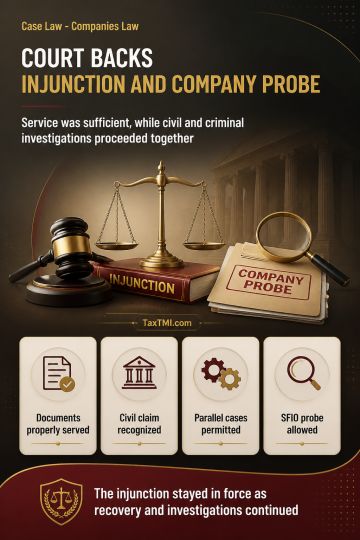
Ex parte injunction service requirements were substantially met, while civil recovery and SFIO investigation into provident fund defalcation continued...
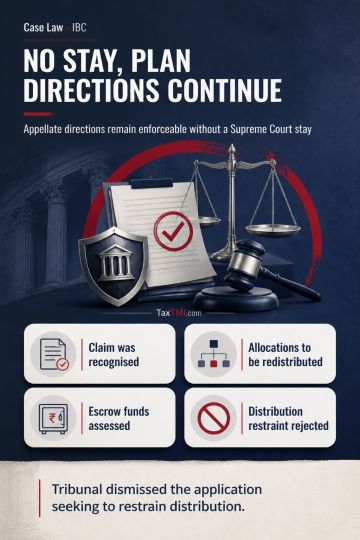
Enforcement of resolution-plan directions continues without a Supreme Court stay, preventing suspension of redistribution and escrowed-fund distributi...
Third-party ownership claims over attached property require Special Court adjudication where purchasers lack registered sale deeds and bona fides rema...
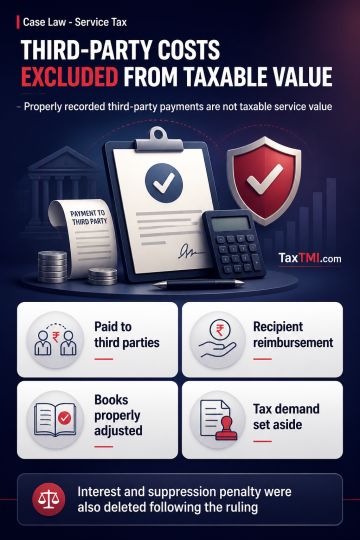
Pure-agent reimbursements in clearing and forwarding services are excluded from taxable value when qualifying third-party payments are properly record...
The Appellate Tribunal dismissed the appeal filed by the Appellants, who were allottees seeking equitable treatment with other creditors in the same class, amendment of the Information Memorandum (IM) reflecting their units as cancelled, and refund of the amount paid. The key points are: The Resolution Professional (RP) lacks adjudicatory powers on claims filed before them and could not have reversed the cancellation action taken by the Corporate Debtor prior to the CIRP initiation. The Resolution Plan, approved by the Committee of Creditors (CoC) with 100% majority, provided treatment to the cancelled allottees, complying with Section 30 of the Code. The Appellants had approached UPRERA and accepted partial refunds from the erstwhile management, indicating acceptance of cancellation. The Appellants did not challenge the pre-CIRP cancellation and misrepresented their claims. The CoC and RP could not revoke the cancellation as it was beyond their jurisdiction. The cancellation was based on an unchallenged UPRERA order, and the CoC acted within its commercial wisdom in approving the Resolution Plan. The Appellate Tribunal found no fault in the due process followed by the Adjudicating Authority.
The Appellate Tribunal dismissed the appeal filed by the Appellants, who were allottees seeking equitable treatment with other creditors in the same class, amendment of the Information Memorandum (IM) reflecting their units as cancelled, and refund of the amount paid. The key points are: The Resolution Professional (RP) lacks adjudicatory powers on claims filed before them and could not have reversed the cancellation action taken by the Corporate Debtor prior to the CIRP initiation. The Resolution Plan, approved by the Committee of Creditors (CoC) with 100% majority, provided treatment to the cancelled allottees, complying with Section 30 of the Code. The Appellants had approached UPRERA and accepted partial refunds from the erstwhile management, indicating acceptance of cancellation. The Appellants did not challenge the pre-CIRP cancellation and misrepresented their claims. The CoC and RP could not revoke the cancellation as it was beyond their jurisdiction. The cancellation was based on an unchallenged UPRERA order, and the CoC acted within its commercial wisdom in approving the Resolution Plan. The Appellate Tribunal found no fault in the due process followed by the Adjudicating Authority.
Note: It is a system-generated summary and is for quick reference only.
 TaxTMI
 of 4782











 Join Channel


 TaxTMI
