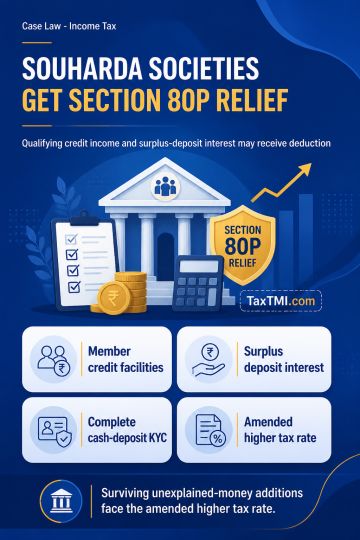
Section 80P deduction covers Souharda credit societies, including qualifying surplus-deposit interest, subject to member KYC verification for cash dep...
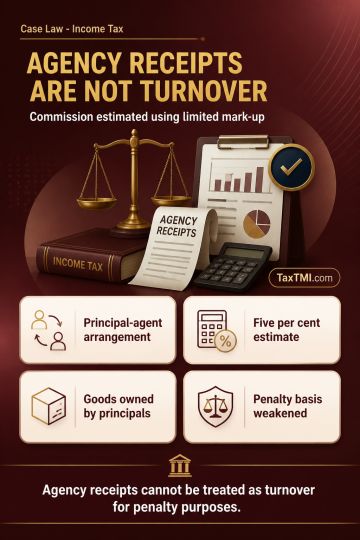
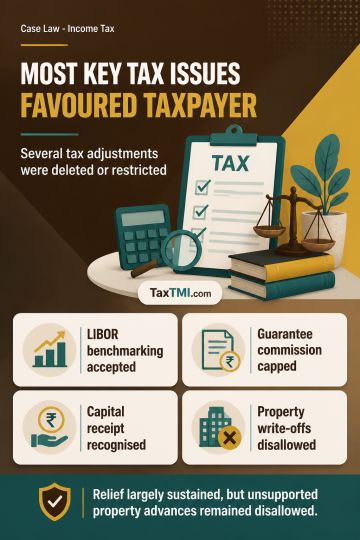
Transfer-pricing benchmarking and capital-receipt principles sustained taxpayer relief, while unsupported property-advance write-offs remained disallo...
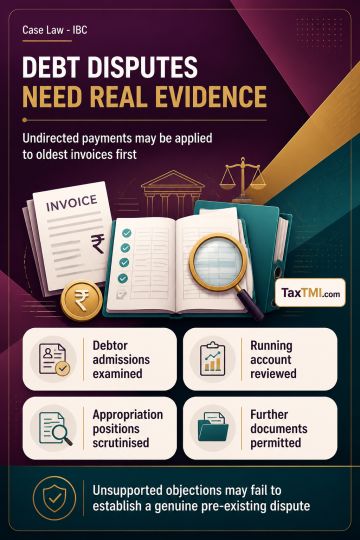
Pre-existing operational debt disputes require genuine evidence, while undirected running-account payments may be appropriated on a first-in-first-out...
Page of 4794
Press 'Enter' after typing page number.
821 to 840 of 95875 Results
❮
❯
❯❯
0 / 200
Expand Note
Add to Folder
No Folders have been created
+
Are you sure you want to delete "My most important" ?
This case deals with the classification of handcrafted stone articles like 'Chakla Belan' (rolling board and pin), mortar, pestle, etc. for export under the Merchandise Exports from India Scheme (MEIS). The key points are: Self-assessment procedure under Customs Act empowers authorities to verify valuation, classification, exemptions, etc. The exporters classified the goods under ITC(HS) 68159990, entitling 5-7% MEIS rewards. Authorities later objected, alleging misclassification to claim higher rewards. The HC examined the scope of assessment, audit, and recovery powers under Customs Act and Foreign Trade (Development & Regulation) Act/Rules. It held customs cannot question MEIS certificates issued by DGFT without DGFT's adjudication on validity. Section 28AAA requires collusion/misstatement for recovery, not mere classification dispute. The HC quashed the objections, stating classification fell under DGFT's purview as per FTP provisions. It directed refund of amounts deposited by exporters but left it open for DGFT to initiate proceedings on MEIS certificate validity if permissible. The ruling balanced customs' assessment powers with DGFT's authority over export promotion schemes.
This case deals with the classification of handcrafted stone articles like 'Chakla Belan' (rolling board and pin), mortar, pestle, etc. for export under the Merchandise Exports from India Scheme (MEIS). The key points are: Self-assessment procedure under Customs Act empowers authorities to verify valuation, classification, exemptions, etc. The exporters classified the goods under ITC(HS) 68159990, entitling 5-7% MEIS rewards. Authorities later objected, alleging misclassification to claim higher rewards. The HC examined the scope of assessment, audit, and recovery powers under Customs Act and Foreign Trade (Development & Regulation) Act/Rules. It held customs cannot question MEIS certificates issued by DGFT without DGFT's adjudication on validity. Section 28AAA requires collusion/misstatement for recovery, not mere classification dispute. The HC quashed the objections, stating classification fell under DGFT's purview as per FTP provisions. It directed refund of amounts deposited by exporters but left it open for DGFT to initiate proceedings on MEIS certificate validity if permissible. The ruling balanced customs' assessment powers with DGFT's authority over export promotion schemes.
Note: It is a system-generated summary and is for quick reference only.
 TaxTMI
 of 4794



 Join Channel


 TaxTMI