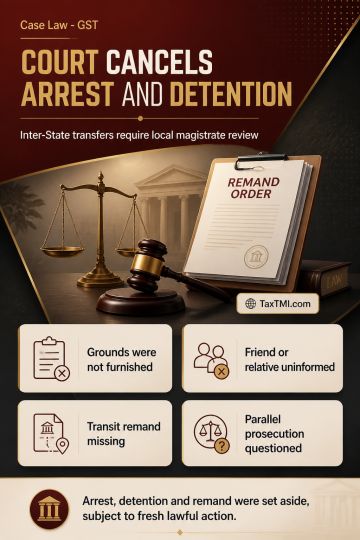
Arrest safeguards and transit remand requirements invalidated detention following inter-State transfer without communicated grounds or magistrate auth...
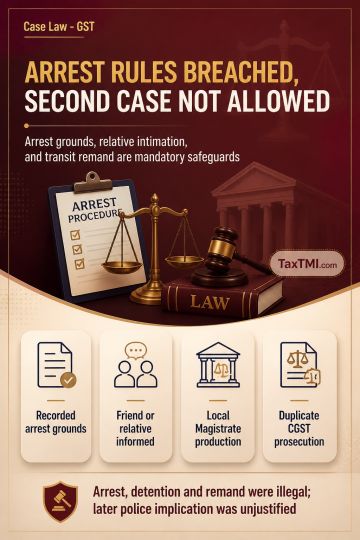
Arrest safeguards require disclosed grounds, relative intimation and transit remand, while duplicate prosecution under the CGST framework is unsustain...
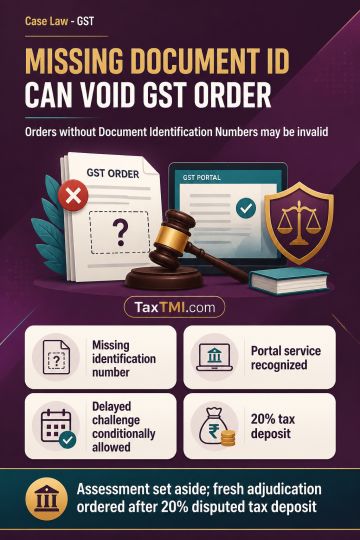
Document Identification Number defects can invalidate GST assessments, with delayed challenges entertained conditionally where patent irregularities e...
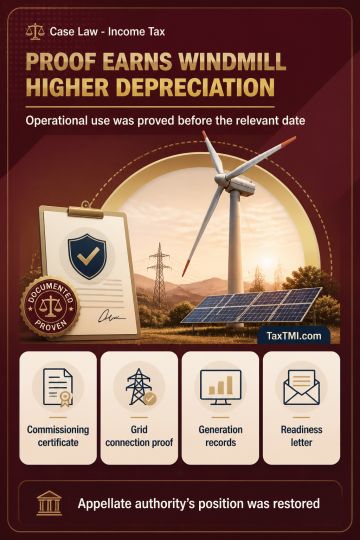
Windmill commissioning evidence supported higher depreciation where grid connection and electricity generation proved operational use before the relev...
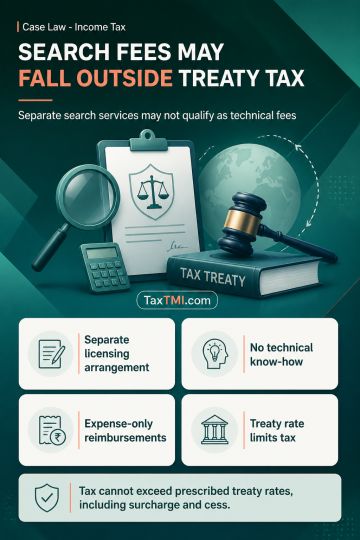
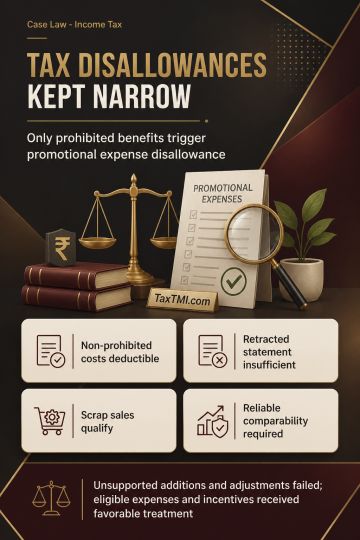
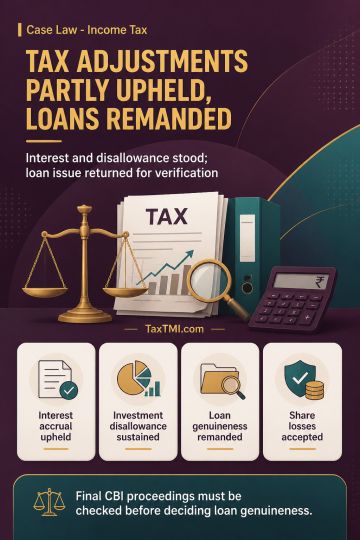
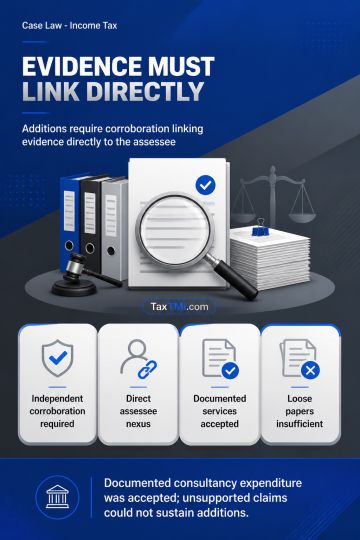
Pharmaceutical promotion and transfer-pricing comparability principles limited disallowances, while uncorroborated search allegations and unsupported ...
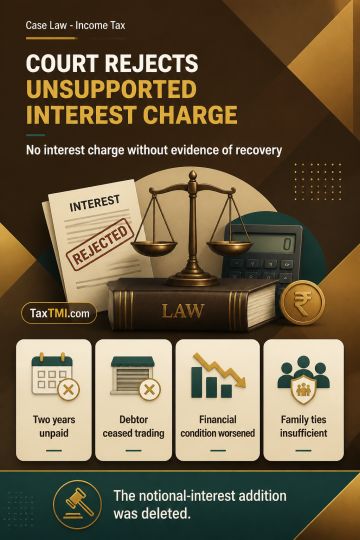
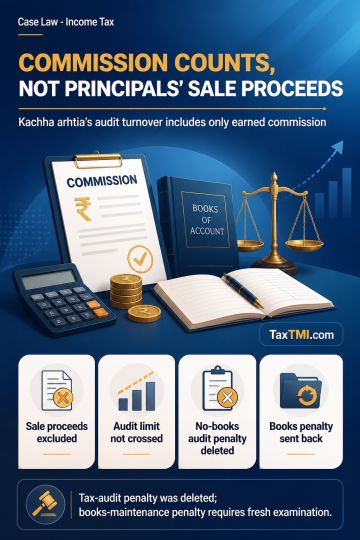
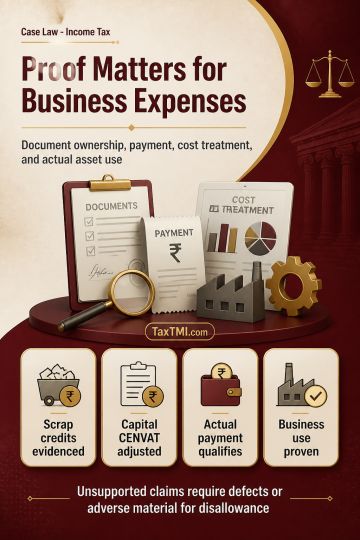
Business expenditure substantiation supports scrap credits, statutory payments and expense claims, while depreciation requires proof of actual busines...
This case deals with the classification of handcrafted stone articles like 'Chakla Belan' (rolling board and pin), mortar, pestle, etc. for export under the Merchandise Exports from India Scheme (MEIS). The key points are: Self-assessment procedure under Customs Act empowers authorities to verify valuation, classification, exemptions, etc. The exporters classified the goods under ITC(HS) 68159990, entitling 5-7% MEIS rewards. Authorities later objected, alleging misclassification to claim higher rewards. The HC examined the scope of assessment, audit, and recovery powers under Customs Act and Foreign Trade (Development & Regulation) Act/Rules. It held customs cannot question MEIS certificates issued by DGFT without DGFT's adjudication on validity. Section 28AAA requires collusion/misstatement for recovery, not mere classification dispute. The HC quashed the objections, stating classification fell under DGFT's purview as per FTP provisions. It directed refund of amounts deposited by exporters but left it open for DGFT to initiate proceedings on MEIS certificate validity if permissible. The ruling balanced customs' assessment powers with DGFT's authority over export promotion schemes.
This case deals with the classification of handcrafted stone articles like 'Chakla Belan' (rolling board and pin), mortar, pestle, etc. for export under the Merchandise Exports from India Scheme (MEIS). The key points are: Self-assessment procedure under Customs Act empowers authorities to verify valuation, classification, exemptions, etc. The exporters classified the goods under ITC(HS) 68159990, entitling 5-7% MEIS rewards. Authorities later objected, alleging misclassification to claim higher rewards. The HC examined the scope of assessment, audit, and recovery powers under Customs Act and Foreign Trade (Development & Regulation) Act/Rules. It held customs cannot question MEIS certificates issued by DGFT without DGFT's adjudication on validity. Section 28AAA requires collusion/misstatement for recovery, not mere classification dispute. The HC quashed the objections, stating classification fell under DGFT's purview as per FTP provisions. It directed refund of amounts deposited by exporters but left it open for DGFT to initiate proceedings on MEIS certificate validity if permissible. The ruling balanced customs' assessment powers with DGFT's authority over export promotion schemes.
Note: It is a system-generated summary and is for quick reference only.
 TaxTMI
 of 4792



 Join Channel


 TaxTMI