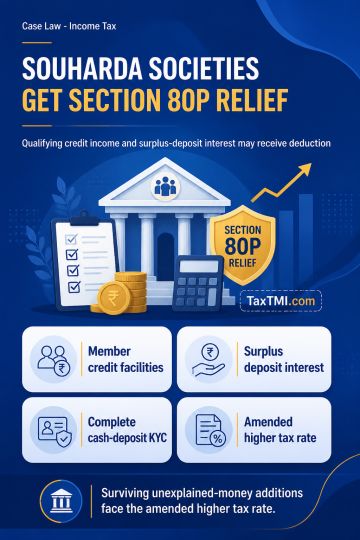
Section 80P deduction covers Souharda credit societies, including qualifying surplus-deposit interest, subject to member KYC verification for cash dep...
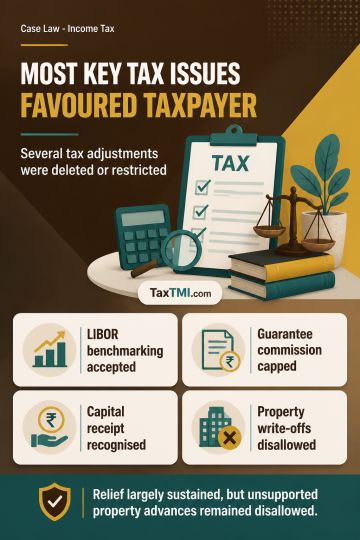
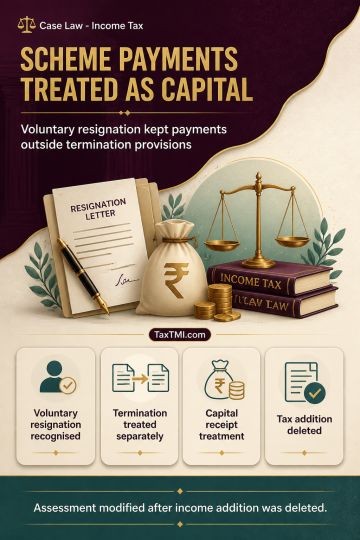
Transfer-pricing benchmarking and capital-receipt principles sustained taxpayer relief, while unsupported property-advance write-offs remained disallo...
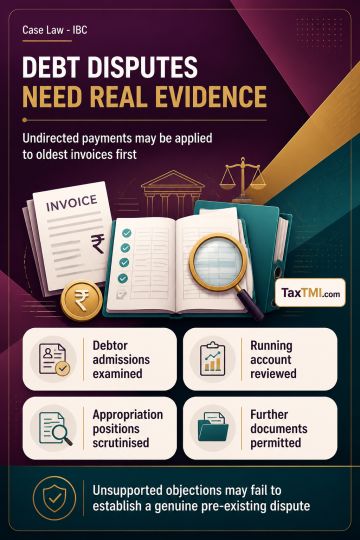
Pre-existing operational debt disputes require genuine evidence, while undirected running-account payments may be appropriated on a first-in-first-out...
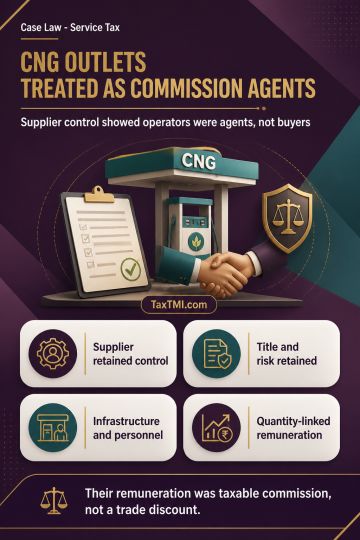
Agency in CNG distribution makes outlet operators commission agents, rendering taxable Business Auxiliary Service rather than purchasing goods for res...
The Appellate Tribunal held that the Commissioner of Income Tax (Exemptions) erred in rejecting the trust's registration u/s 12AA. The trust's objects were not found to be profit-oriented, and no activity was conducted against its objects. The events organized by an individual could not be attributed to the trust, especially when no expenses were incurred, as per the Income and Expenditure statements. The Supreme Court's decision clarified that an entity advancing general public utility cannot engage in trade, commerce, or business for consideration. However, the Delhi High Court upheld the constitutional validity of the proviso to Section 2(15), applying where the dominant intention is profit-making. Since nothing suggested the trust's objects were profit-oriented, the order rejecting registration was set aside, and the Commissioner was directed to register the trust in accordance with the law.
The Appellate Tribunal held that the Commissioner of Income Tax (Exemptions) erred in rejecting the trust's registration u/s 12AA. The trust's objects were not found to be profit-oriented, and no activity was conducted against its objects. The events organized by an individual could not be attributed to the trust, especially when no expenses were incurred, as per the Income and Expenditure statements. The Supreme Court's decision clarified that an entity advancing general public utility cannot engage in trade, commerce, or business for consideration. However, the Delhi High Court upheld the constitutional validity of the proviso to Section 2(15), applying where the dominant intention is profit-making. Since nothing suggested the trust's objects were profit-oriented, the order rejecting registration was set aside, and the Commissioner was directed to register the trust in accordance with the law.
Note: It is a system-generated summary and is for quick reference only.
 TaxTMI
 of 4792





 Join Channel


 TaxTMI
