Retention of seized property survives where recorded reasons support proceeds of crime, while stayed investigation periods are excluded from limitatio...
Specified income of Baddi Barotiwala Nalagarh Development Authority receives conditional tax exemption, retrospectively covering its designated assess...
Specified development authority income receives retrospective tax exemption, subject to non-commercial activity, unchanged income sources, and return-...
Unified Brand India framework introduces voluntary Trust Mark certification and funding support for export branding, packaging and global promotional ...
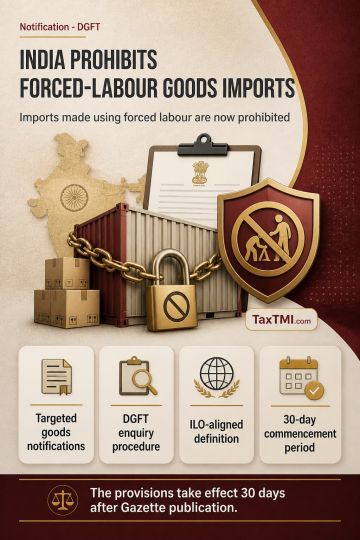
Origin Declaration authentication governs preferential tariff claims under India-UK CETA, requiring a validated reference number before import clearan...
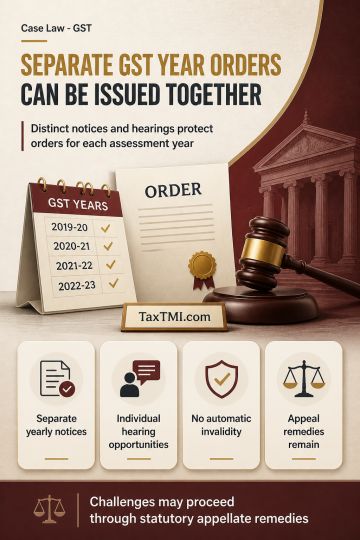
Separate assessment orders for different years remain valid when distinct notices and hearing opportunities prevent prejudice from combined proceeding...
The High Court held that the Assessing Officer cannot disallow losses merely based on assumptions and surmises regarding the commercial expediency of transactions undertaken by the assessee. The transaction for sale and purchase of dies was a pure commercial transaction entered into by the assessee in its commercial wisdom, and the fact that the assessee incurred a loss in the said transaction was not disputed. There was no allegation of any undisclosed consideration or clandestine transaction to reverse the loss. The Assessing Officer made the addition solely based on their perception of what was commercially expedient, which is not within their purview. The assessee had justified its commercial decision by reflecting enhanced turnover and profits from its business, but even if profits were not earned, it would not make a difference, as the examination is limited to whether the transactions were genuine, not whether they were commercially expedient. The High Court found no material other than suspicion to justify the addition and decided in favor of the assessee.
The High Court held that the Assessing Officer cannot disallow losses merely based on assumptions and surmises regarding the commercial expediency of transactions undertaken by the assessee. The transaction for sale and purchase of dies was a pure commercial transaction entered into by the assessee in its commercial wisdom, and the fact that the assessee incurred a loss in the said transaction was not disputed. There was no allegation of any undisclosed consideration or clandestine transaction to reverse the loss. The Assessing Officer made the addition solely based on their perception of what was commercially expedient, which is not within their purview. The assessee had justified its commercial decision by reflecting enhanced turnover and profits from its business, but even if profits were not earned, it would not make a difference, as the examination is limited to whether the transactions were genuine, not whether they were commercially expedient. The High Court found no material other than suspicion to justify the addition and decided in favor of the assessee.
Note: It is a system-generated summary and is for quick reference only.
 TaxTMI
 of 4801

















 Join Channel


 TaxTMI