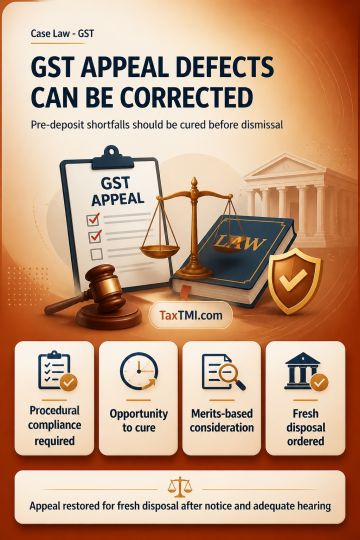
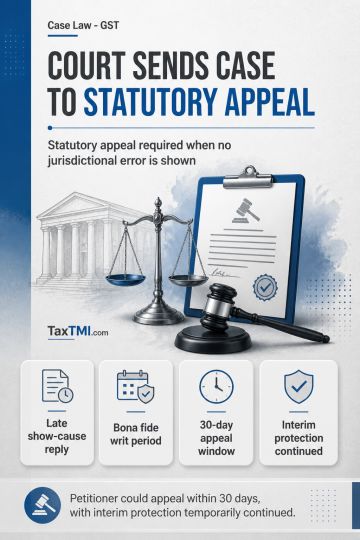
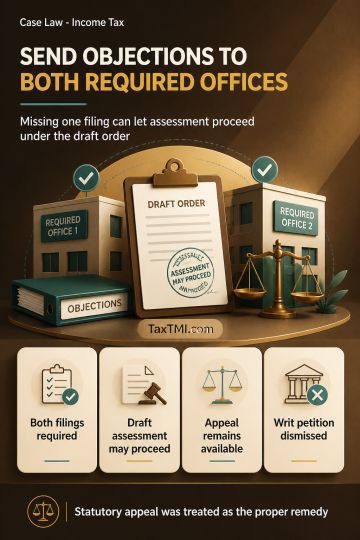
Dispute Resolution Panel objections must reach both prescribed forums; otherwise assessment may proceed and statutory appeal remains the proper remedy...
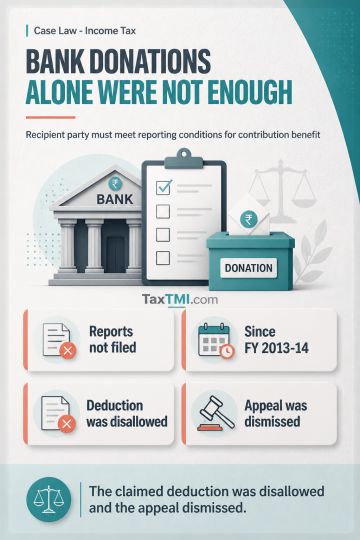
Political contribution deductions require recipient party compliance with contribution-reporting conditions; banking-channel donations alone do not qu...
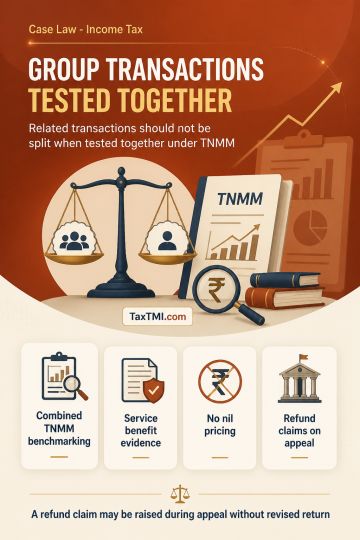
Aggregation under TNMM prevents selective testing of intra-group services without comparable uncontrolled transactions, while appellate additional cla...
Protective assessment cannot duplicate identical receipts under competing characterisations; remote services did not establish a taxable permanent est...
The High Court dealt with a case involving money laundering through the sale of illegally printed lottery tickets. The court held that the Prevention of Money Laundering Act (PMLA) aims to protect the economic interests of the nation, and its implementation should align with this legislative intent. The court found prima facie evidence of offenses under the Indian Penal Code, including cheating, forgery, and criminal conspiracy, constituting predicate offenses for money laundering under the PMLA. The state investigating agency had initially registered the predicate offense, but later filed a closure report, which the court deemed suspicious and an attempt to bury the case on extraneous considerations. The High Court set aside the closure report and directed the state agency and the Enforcement Directorate to proceed with the case in tandem, ensuring a fair trial uninfluenced by the court's observations.
The High Court dealt with a case involving money laundering through the sale of illegally printed lottery tickets. The court held that the Prevention of Money Laundering Act (PMLA) aims to protect the economic interests of the nation, and its implementation should align with this legislative intent. The court found prima facie evidence of offenses under the Indian Penal Code, including cheating, forgery, and criminal conspiracy, constituting predicate offenses for money laundering under the PMLA. The state investigating agency had initially registered the predicate offense, but later filed a closure report, which the court deemed suspicious and an attempt to bury the case on extraneous considerations. The High Court set aside the closure report and directed the state agency and the Enforcement Directorate to proceed with the case in tandem, ensuring a fair trial uninfluenced by the court's observations.
Note: It is a system-generated summary and is for quick reference only.
 TaxTMI
 of 4805











 Join Channel


 TaxTMI
