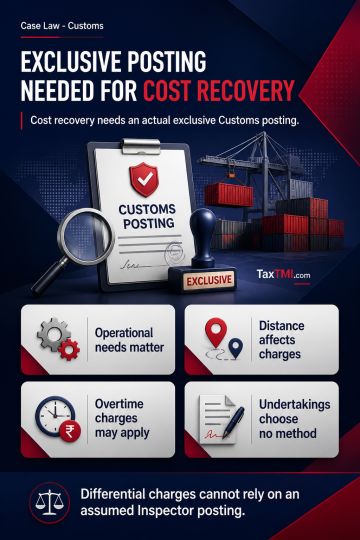
Interactive touchscreen panels with integrated computing functions fall under automatic data-processing machines rather than display monitors for cust...
Ex parte injunction service requirements were substantially met, while civil recovery and SFIO investigation into provident fund defalcation continued...
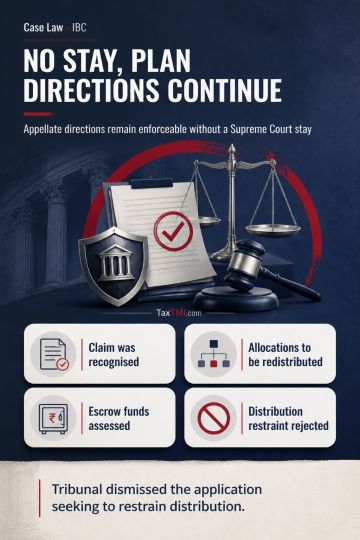
Enforcement of resolution-plan directions continues without a Supreme Court stay, preventing suspension of redistribution and escrowed-fund distributi...
Third-party ownership claims over attached property require Special Court adjudication where purchasers lack registered sale deeds and bona fides rema...
Pure-agent reimbursements in clearing and forwarding services are excluded from taxable value when qualifying third-party payments are properly record...
Customs relief for Strait of Hormuz maritime disruptions remains available, with existing conditions continuing unchanged through the extended validit...
The High Court dealt with a case involving money laundering through the sale of illegally printed lottery tickets. The court held that the Prevention of Money Laundering Act (PMLA) aims to protect the economic interests of the nation, and its implementation should align with this legislative intent. The court found prima facie evidence of offenses under the Indian Penal Code, including cheating, forgery, and criminal conspiracy, constituting predicate offenses for money laundering under the PMLA. The state investigating agency had initially registered the predicate offense, but later filed a closure report, which the court deemed suspicious and an attempt to bury the case on extraneous considerations. The High Court set aside the closure report and directed the state agency and the Enforcement Directorate to proceed with the case in tandem, ensuring a fair trial uninfluenced by the court's observations.
The High Court dealt with a case involving money laundering through the sale of illegally printed lottery tickets. The court held that the Prevention of Money Laundering Act (PMLA) aims to protect the economic interests of the nation, and its implementation should align with this legislative intent. The court found prima facie evidence of offenses under the Indian Penal Code, including cheating, forgery, and criminal conspiracy, constituting predicate offenses for money laundering under the PMLA. The state investigating agency had initially registered the predicate offense, but later filed a closure report, which the court deemed suspicious and an attempt to bury the case on extraneous considerations. The High Court set aside the closure report and directed the state agency and the Enforcement Directorate to proceed with the case in tandem, ensuring a fair trial uninfluenced by the court's observations.
Note: It is a system-generated summary and is for quick reference only.
 TaxTMI
 of 4803














 Join Channel


 TaxTMI