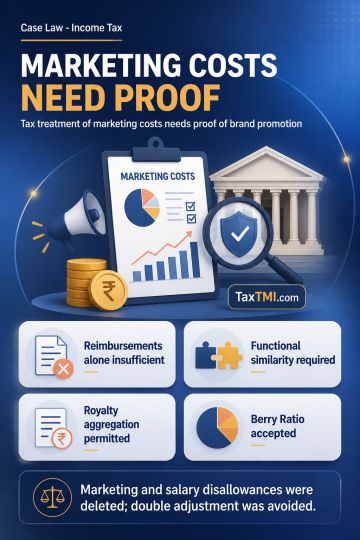
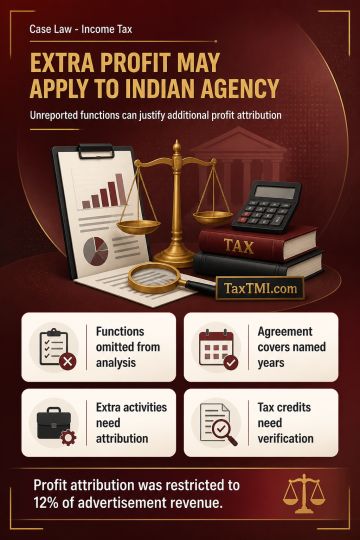
Transfer pricing requires evidence for AMP transactions, functionally reliable comparables, and appropriate aggregation or Berry Ratio benchmarking me...
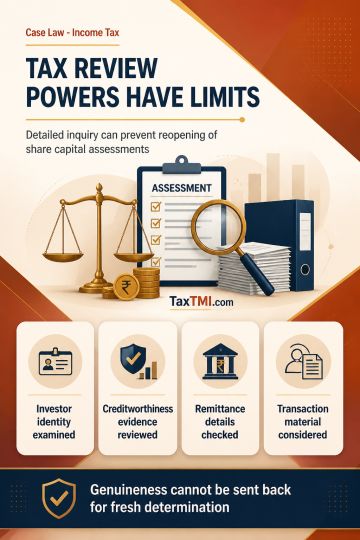
Revisionary jurisdiction cannot reopen share capital assessments where adequate inquiry supports a permissible view and no independent error is establ...
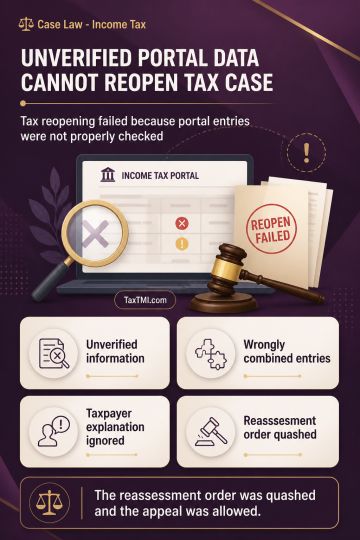
Reassessment jurisdiction fails where unverified portal information is aggregated without examining the taxpayer's explanation or relevance of entries...
Statutory sanction for delayed reassessment requires approval from the prescribed authority; approval by an inferior authority invalidates jurisdictio...
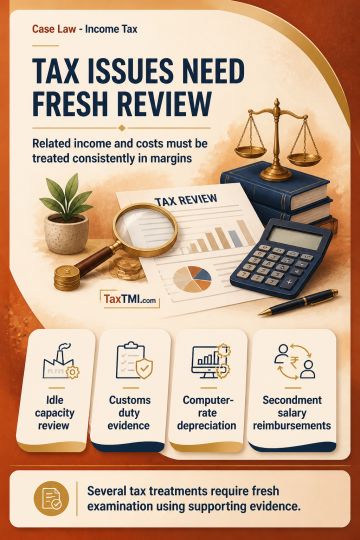
Transfer pricing margin adjustments require matching treatment of non-operating income and related costs, with comparability issues reconsidered on ev...
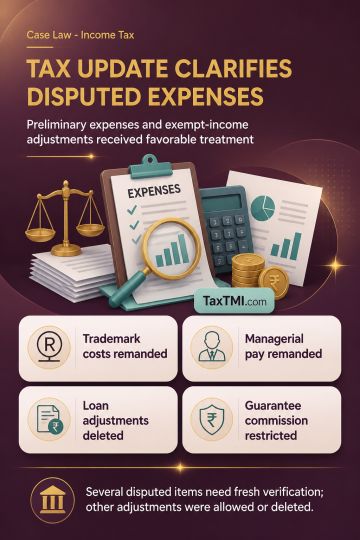
Preliminary-expense amortisation and MAT exempt-income adjustments prevailed, while trademark costs and managerial remuneration require fresh verifica...
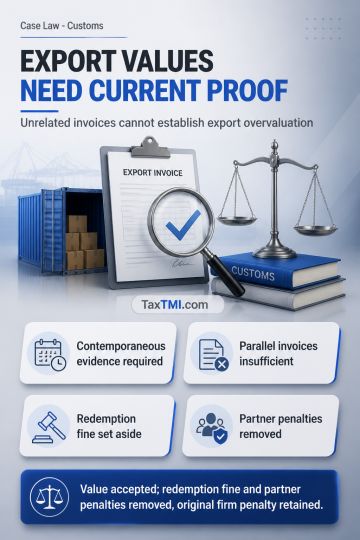
Export valuation requires contemporaneous evidence; unrelated invoices cannot prove overvaluation, and dual penalties on firm and partner are impermis...
Denial of CENVAT credit for expenses incurred at unregistered branches and the demand raised by revenue authorities. The key points are: The appellant undertakes technical testing and analysis services on blood samples obtained during human trials. The final analysis report is prepared at the Ahmedabad office, although samples are collected from unregistered branches. The Tribunal held that CENVAT credit cannot be denied merely because samples are collected from unregistered branches, as the entire activity is accounted for and carried out from the registered Ahmedabad office. Centralized registration is not a prerequisite for availing CENVAT credit; the criteria is that the input service should be used for providing output service and service tax should be paid. As all activities are ultimately attributed to the Ahmedabad office, availment of CENVAT credit there is valid. The demand based on the difference between taxable income in profit and loss account and taxable value declared in ST-3 returns is unsustainable unless revenue establishes the nature of service for the difference. The appellant provided reconciliation and paid service tax on excess amount. Demands based on alleged totaling mistakes and short payment of service tax are unsustainable as the appellant provided explanations and evidence of correct payment. The demand based on debit notes issued by Wockhardt Ltd. is unsustainable.
Denial of CENVAT credit for expenses incurred at unregistered branches and the demand raised by revenue authorities. The key points are: The appellant undertakes technical testing and analysis services on blood samples obtained during human trials. The final analysis report is prepared at the Ahmedabad office, although samples are collected from unregistered branches. The Tribunal held that CENVAT credit cannot be denied merely because samples are collected from unregistered branches, as the entire activity is accounted for and carried out from the registered Ahmedabad office. Centralized registration is not a prerequisite for availing CENVAT credit; the criteria is that the input service should be used for providing output service and service tax should be paid. As all activities are ultimately attributed to the Ahmedabad office, availment of CENVAT credit there is valid. The demand based on the difference between taxable income in profit and loss account and taxable value declared in ST-3 returns is unsustainable unless revenue establishes the nature of service for the difference. The appellant provided reconciliation and paid service tax on excess amount. Demands based on alleged totaling mistakes and short payment of service tax are unsustainable as the appellant provided explanations and evidence of correct payment. The demand based on debit notes issued by Wockhardt Ltd. is unsustainable.
Note: It is a system-generated summary and is for quick reference only.
 TaxTMI
 of 4800






 Join Channel


 TaxTMI
