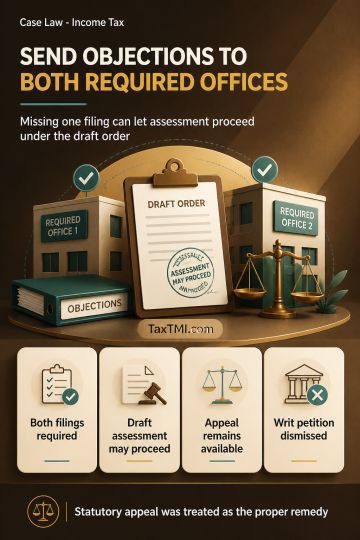
Dispute Resolution Panel objections must reach both prescribed forums; otherwise assessment may proceed and statutory appeal remains the proper remedy...
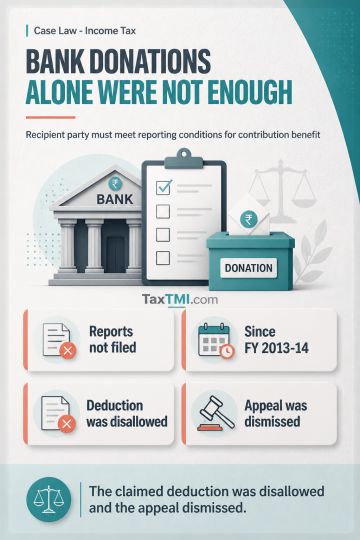
Political contribution deductions require recipient party compliance with contribution-reporting conditions; banking-channel donations alone do not qu...
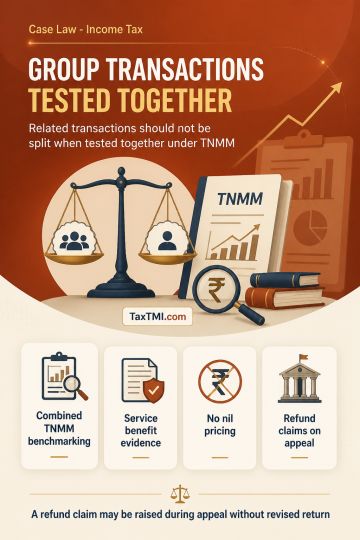
Aggregation under TNMM prevents selective testing of intra-group services without comparable uncontrolled transactions, while appellate additional cla...
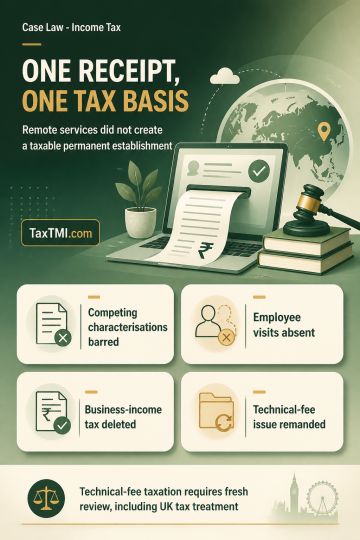
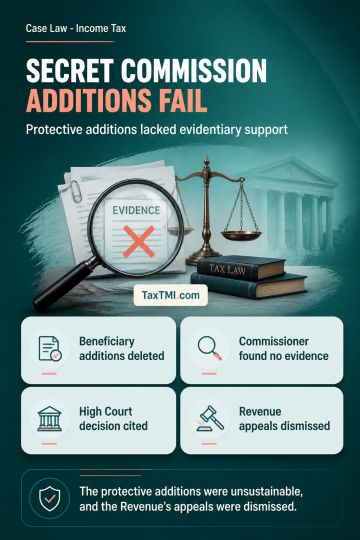
Protective assessment cannot duplicate identical receipts under competing characterisations; remote services did not establish a taxable permanent est...
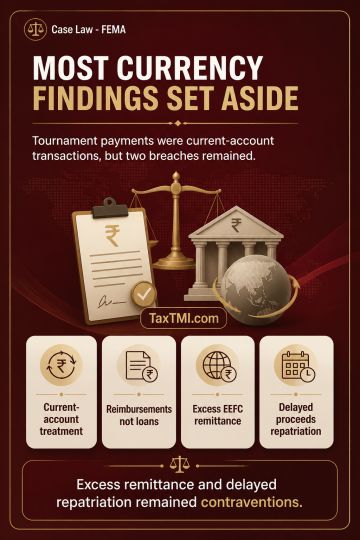
Current account treatment of overseas tournament services removed most FEMA findings, but excess EEFC remittance and delayed repatriation remained bre...
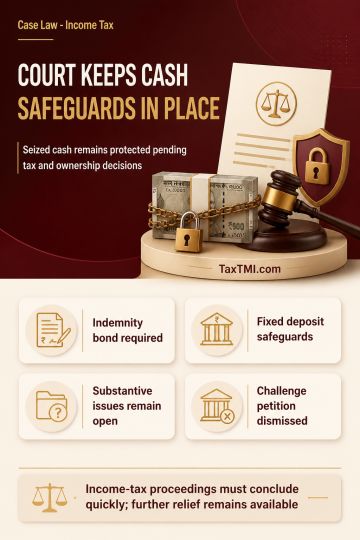
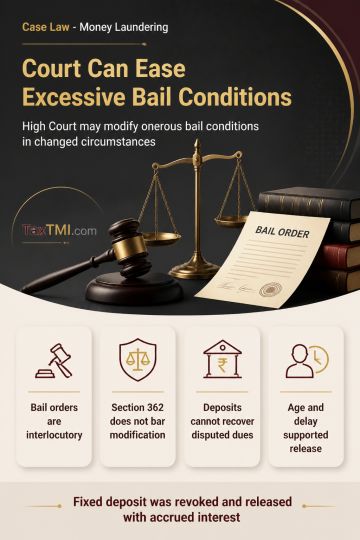
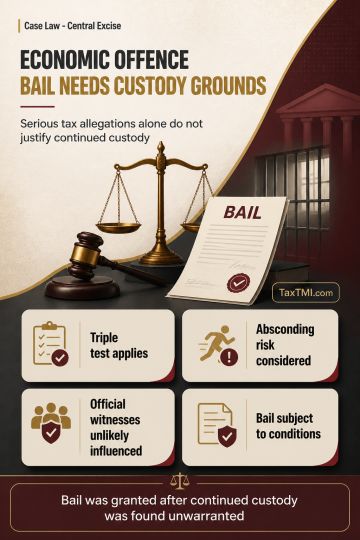
Modification of bail conditions remains available through inherent jurisdiction where onerous deposits undermine justice and cannot recover disputed d...
Denial of CENVAT credit for expenses incurred at unregistered branches and the demand raised by revenue authorities. The key points are: The appellant undertakes technical testing and analysis services on blood samples obtained during human trials. The final analysis report is prepared at the Ahmedabad office, although samples are collected from unregistered branches. The Tribunal held that CENVAT credit cannot be denied merely because samples are collected from unregistered branches, as the entire activity is accounted for and carried out from the registered Ahmedabad office. Centralized registration is not a prerequisite for availing CENVAT credit; the criteria is that the input service should be used for providing output service and service tax should be paid. As all activities are ultimately attributed to the Ahmedabad office, availment of CENVAT credit there is valid. The demand based on the difference between taxable income in profit and loss account and taxable value declared in ST-3 returns is unsustainable unless revenue establishes the nature of service for the difference. The appellant provided reconciliation and paid service tax on excess amount. Demands based on alleged totaling mistakes and short payment of service tax are unsustainable as the appellant provided explanations and evidence of correct payment. The demand based on debit notes issued by Wockhardt Ltd. is unsustainable.
Denial of CENVAT credit for expenses incurred at unregistered branches and the demand raised by revenue authorities. The key points are: The appellant undertakes technical testing and analysis services on blood samples obtained during human trials. The final analysis report is prepared at the Ahmedabad office, although samples are collected from unregistered branches. The Tribunal held that CENVAT credit cannot be denied merely because samples are collected from unregistered branches, as the entire activity is accounted for and carried out from the registered Ahmedabad office. Centralized registration is not a prerequisite for availing CENVAT credit; the criteria is that the input service should be used for providing output service and service tax should be paid. As all activities are ultimately attributed to the Ahmedabad office, availment of CENVAT credit there is valid. The demand based on the difference between taxable income in profit and loss account and taxable value declared in ST-3 returns is unsustainable unless revenue establishes the nature of service for the difference. The appellant provided reconciliation and paid service tax on excess amount. Demands based on alleged totaling mistakes and short payment of service tax are unsustainable as the appellant provided explanations and evidence of correct payment. The demand based on debit notes issued by Wockhardt Ltd. is unsustainable.
Note: It is a system-generated summary and is for quick reference only.
 TaxTMI
 of 4805





 Join Channel


 TaxTMI
