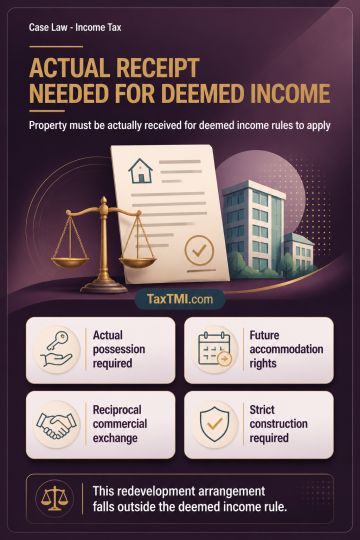
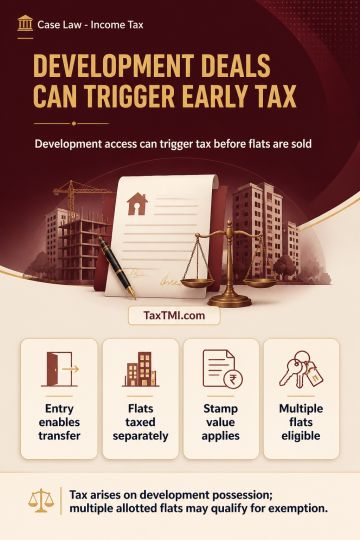
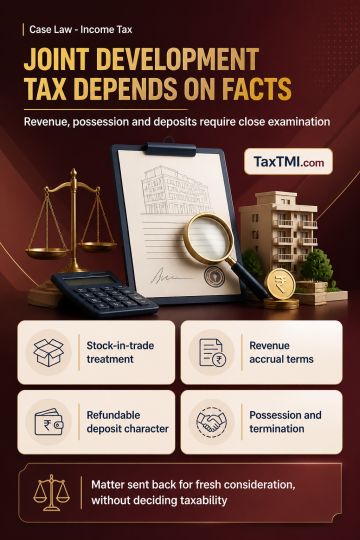
Receipt of immovable property requires actual possession or enjoyment; redevelopment allotments exchanged for tenancy rights fall outside deemed incom...
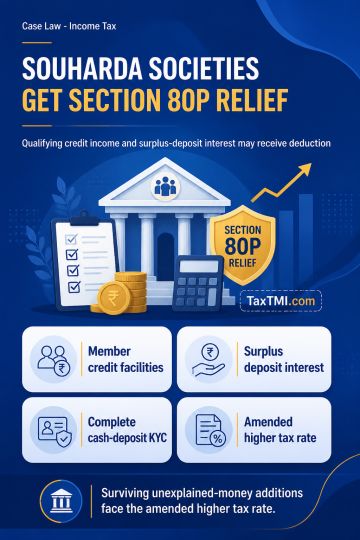
Section 80P deduction covers Souharda credit societies, including qualifying surplus-deposit interest, subject to member KYC verification for cash dep...
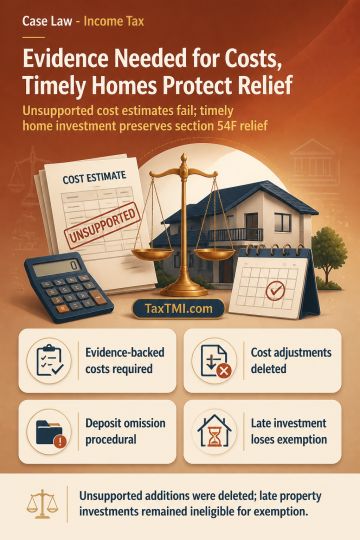
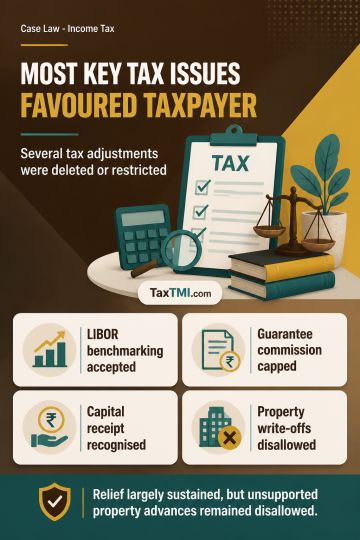
Transfer-pricing benchmarking and capital-receipt principles sustained taxpayer relief, while unsupported property-advance write-offs remained disallo...
Claim of second sale exemption and the imposition of penalty u/s 12(5)(iii). The High Court held that when the burden was on the dealer to prove the factum of second sale, the respondent had failed to discharge this burden by proving the actual first sale, which was a prerequisite for claiming the exemption. The Tribunal had erroneously shifted the burden from the dealer to the revenue. Relying on previous decisions, the High Court reiterated that the burden of proving an earlier taxable sale was on the assessee. Regarding the penalty u/s 12(5)(iii), the Court held that since the respondent had wilfully suppressed taxable turnover and failed to file returns, the Assessing Officer was justified in imposing the penalty, and the Tribunal's decision to delete the penalty was untenable. Consequently, the High Court set aside the Tribunal's order and restored the assessment order confirmed by the appellate authority.
Claim of second sale exemption and the imposition of penalty u/s 12(5)(iii). The High Court held that when the burden was on the dealer to prove the factum of second sale, the respondent had failed to discharge this burden by proving the actual first sale, which was a prerequisite for claiming the exemption. The Tribunal had erroneously shifted the burden from the dealer to the revenue. Relying on previous decisions, the High Court reiterated that the burden of proving an earlier taxable sale was on the assessee. Regarding the penalty u/s 12(5)(iii), the Court held that since the respondent had wilfully suppressed taxable turnover and failed to file returns, the Assessing Officer was justified in imposing the penalty, and the Tribunal's decision to delete the penalty was untenable. Consequently, the High Court set aside the Tribunal's order and restored the assessment order confirmed by the appellate authority.
Note: It is a system-generated summary and is for quick reference only.
 TaxTMI
 of 4805







 Join Channel


 TaxTMI
