Arrest safeguards require disclosed grounds, relative intimation and transit remand, while duplicate prosecution under the CGST framework is unsustain...
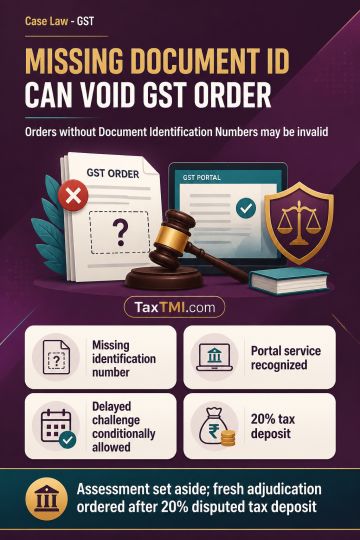
Document Identification Number defects can invalidate GST assessments, with delayed challenges entertained conditionally where patent irregularities e...
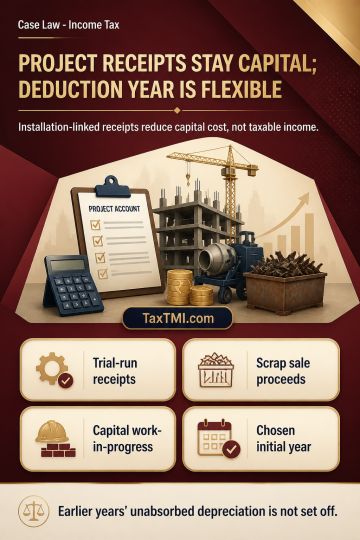
Windmill commissioning evidence supported higher depreciation where grid connection and electricity generation proved operational use before the relev...
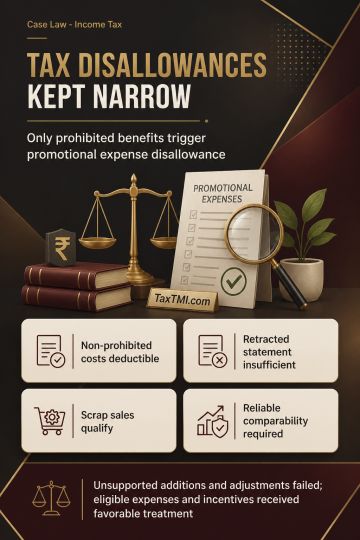
Pharmaceutical promotion and transfer-pricing comparability principles limited disallowances, while uncorroborated search allegations and unsupported ...
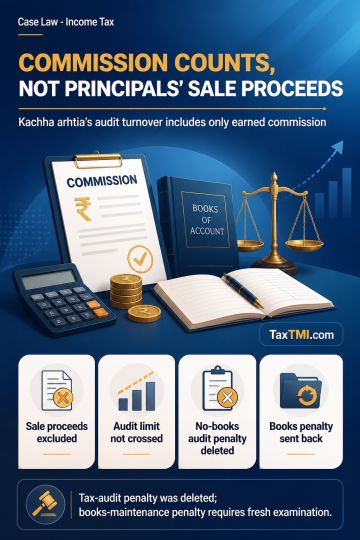
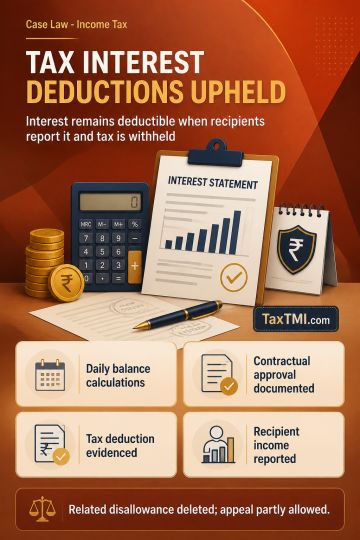
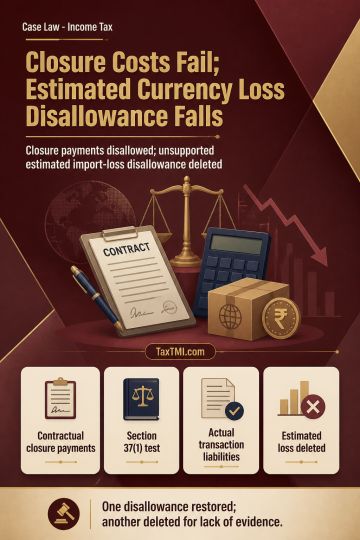
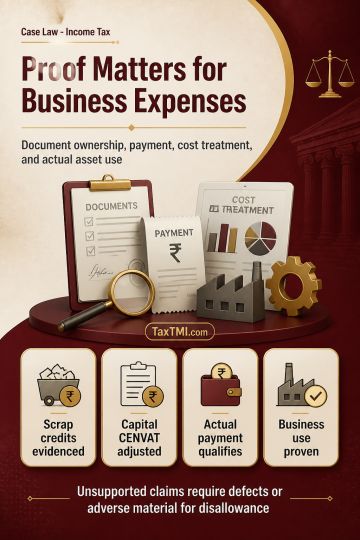
Business expenditure substantiation supports scrap credits, statutory payments and expense claims, while depreciation requires proof of actual busines...
The court held that the sum received under the co-marketing agreement was a capital receipt, not a revenue receipt. The intention of the parties gathered from the agreement's language is crucial. The Supreme Court's test distinguishes capital receipts that impair the trading structure or income source from revenue receipts that are normal business incidents. The agreement was a negative/restrictive covenant where the payment compensated for surrendering rights in capital assets like patents and trademarks. This impaired the profit-making apparatus, making it a capital receipt. The Tribunal's finding based on evidence appreciation cannot be termed perverse, and the High Court cannot interfere with factual findings unless demonstrated as perverse.
The court held that the sum received under the co-marketing agreement was a capital receipt, not a revenue receipt. The intention of the parties gathered from the agreement's language is crucial. The Supreme Court's test distinguishes capital receipts that impair the trading structure or income source from revenue receipts that are normal business incidents. The agreement was a negative/restrictive covenant where the payment compensated for surrendering rights in capital assets like patents and trademarks. This impaired the profit-making apparatus, making it a capital receipt. The Tribunal's finding based on evidence appreciation cannot be termed perverse, and the High Court cannot interfere with factual findings unless demonstrated as perverse.
Note: It is a system-generated summary and is for quick reference only.
 TaxTMI
 of 4805










 Join Channel


 TaxTMI