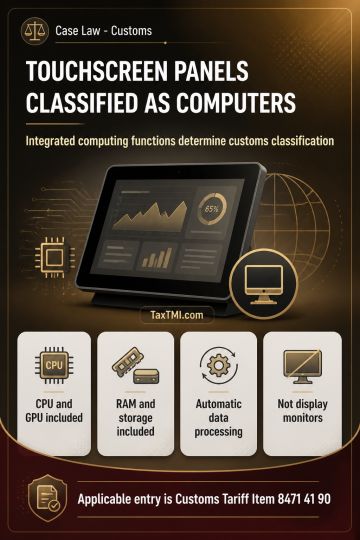
Interactive touchscreen panels with integrated computing functions fall under automatic data-processing machines rather than display monitors for cust...
Ex parte injunction service requirements were substantially met, while civil recovery and SFIO investigation into provident fund defalcation continued...
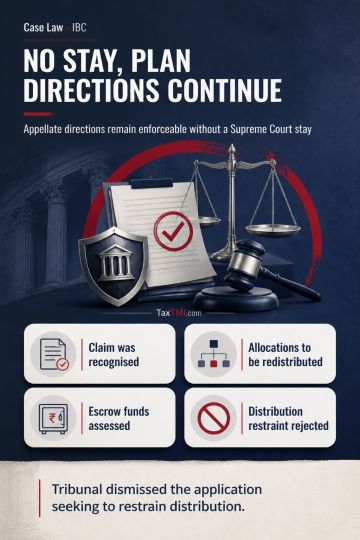
Enforcement of resolution-plan directions continues without a Supreme Court stay, preventing suspension of redistribution and escrowed-fund distributi...
Third-party ownership claims over attached property require Special Court adjudication where purchasers lack registered sale deeds and bona fides rema...
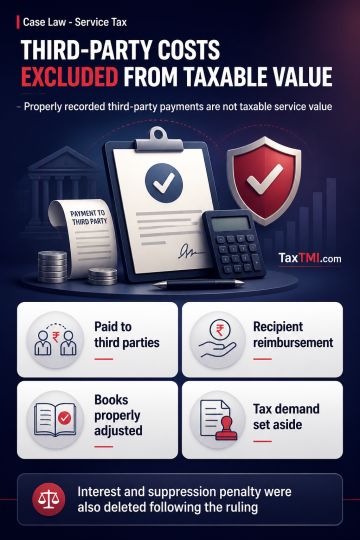
Pure-agent reimbursements in clearing and forwarding services are excluded from taxable value when qualifying third-party payments are properly record...
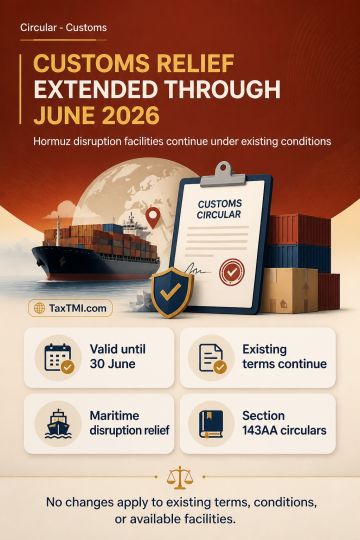
Customs relief for Strait of Hormuz maritime disruptions remains available, with existing conditions continuing unchanged through the extended validit...
The assessee, a US-based company engaged in offshore sales of goods and software to customers in India, contended that it had no permanent establishment (PE) or dependent agent permanent establishment (DAPE) in India. The Assessing Officer (AO) treated the assessee's liaison office (LO) as a PE, leading to the attribution of income to India. However, the assessee provided relevant documents to substantiate the closure of the LO and the absence of expatriate employees in India during the relevant period. The Tribunal observed that the Revenue failed to rebut the assessee's contentions or provide contrary evidence regarding the closure of the LO operations. Consequently, the Tribunal held that the assessee had no PE or DAPE in India during the assessment year, precluding the attribution of profits to a PE. Regarding the treatment of receipts from software supply as royalty u/s 9(1)(vii), the Tribunal noted that the AO disregarded the Dispute Resolution Panel's directions to verify if the software was embedded in hardware. The Tribunal referred to its coordinate Bench's ruling in the assessee's own case for preceding years, which held that payments by resident end-users/distributors to non-resident computer manufacturers/suppliers for resale/use of computer software through EULAs/distribution agreements do not constitute royalty payments for the use of copyright in computer.
The assessee, a US-based company engaged in offshore sales of goods and software to customers in India, contended that it had no permanent establishment (PE) or dependent agent permanent establishment (DAPE) in India. The Assessing Officer (AO) treated the assessee's liaison office (LO) as a PE, leading to the attribution of income to India. However, the assessee provided relevant documents to substantiate the closure of the LO and the absence of expatriate employees in India during the relevant period. The Tribunal observed that the Revenue failed to rebut the assessee's contentions or provide contrary evidence regarding the closure of the LO operations. Consequently, the Tribunal held that the assessee had no PE or DAPE in India during the assessment year, precluding the attribution of profits to a PE. Regarding the treatment of receipts from software supply as royalty u/s 9(1)(vii), the Tribunal noted that the AO disregarded the Dispute Resolution Panel's directions to verify if the software was embedded in hardware. The Tribunal referred to its coordinate Bench's ruling in the assessee's own case for preceding years, which held that payments by resident end-users/distributors to non-resident computer manufacturers/suppliers for resale/use of computer software through EULAs/distribution agreements do not constitute royalty payments for the use of copyright in computer.
Note: It is a system-generated summary and is for quick reference only.
 TaxTMI
 of 4803









 Join Channel


 TaxTMI