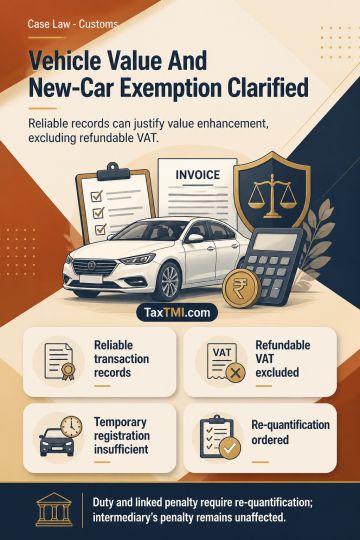
Transaction value rejection requires reliable corroboration; refundable VAT is excluded and temporary registration does not defeat new-vehicle exempti...
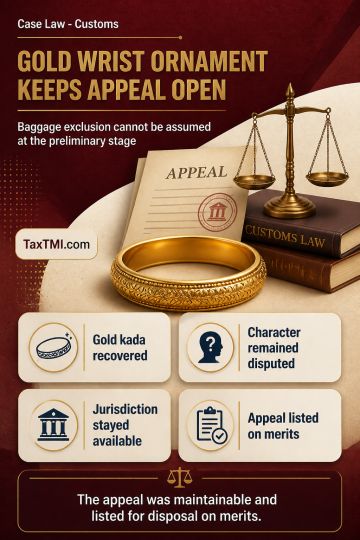
Appellate jurisdiction remains available where a wrist-worn gold ornament cannot conclusively be characterised as imported baggage at the preliminary ...
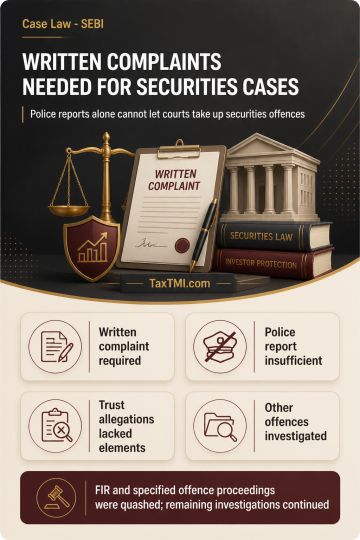
Written complaint requirement bars cognizance on police reports for securities offences, while unsupported breach of trust and cheating allegations fa...
Risk-based postal import clearance standardises electronic assessment, document requests, duty realisation and delivery controls at Foreign Post Offic...
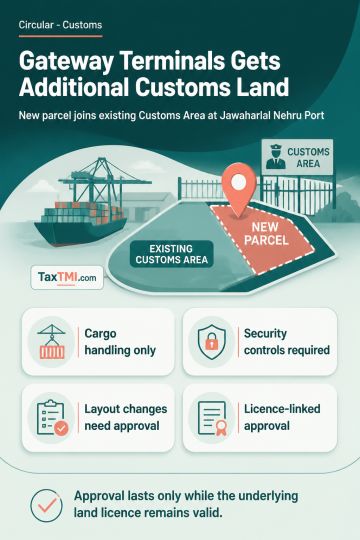
Customs Cargo Service Provider appointment extends custodianship to additional terminal land, subject to cargo-control, security and licence condition...
Section 263 revision - Unexplained income u/s 69A read with Section 115BBE - Cash seized shown as 'income from other sources' - Whether to be treated as unexplained income u/s 69A read with Section 115BBE? Held: For invoking Section 263, the Assessing Officer's order should be erroneous and prejudicial to revenue interests. As per Explanation 2(a) to Section 263, an order is deemed erroneous if passed without making required inquiry or verification. In this case, the assessee's claim was unsupported by contemporaneous evidence, and the Assessing Officer failed to verify the same. Hence, there was a failure to make necessary inquiry/verification, rendering the order erroneous and prejudicial to revenue interests. Therefore, the invocation of Section 263 by the Principal Commissioner of Income Tax was as per law. Accordingly, the assessee's appeal on this ground is dismissed.
Section 263 revision - Unexplained income u/s 69A read with Section 115BBE - Cash seized shown as 'income from other sources' - Whether to be treated as unexplained income u/s 69A read with Section 115BBE? Held: For invoking Section 263, the Assessing Officer's order should be erroneous and prejudicial to revenue interests. As per Explanation 2(a) to Section 263, an order is deemed erroneous if passed without making required inquiry or verification. In this case, the assessee's claim was unsupported by contemporaneous evidence, and the Assessing Officer failed to verify the same. Hence, there was a failure to make necessary inquiry/verification, rendering the order erroneous and prejudicial to revenue interests. Therefore, the invocation of Section 263 by the Principal Commissioner of Income Tax was as per law. Accordingly, the assessee's appeal on this ground is dismissed.
Note: It is a system-generated summary and is for quick reference only.
 TaxTMI
 of 4788






 Join Channel


 TaxTMI