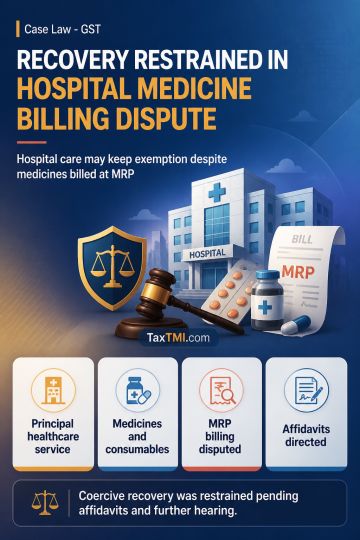
Composite inpatient healthcare supply may retain exemption despite MRP medicine billing, while separate taxable sale characterisation remains disputed...
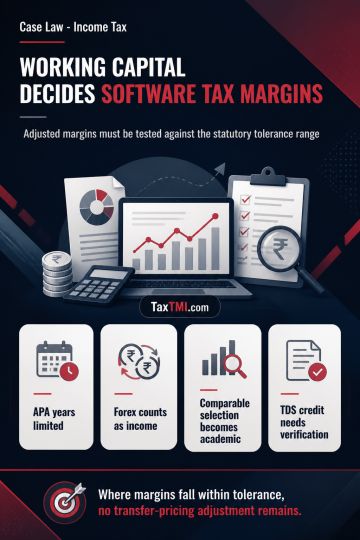
Working-capital adjustment determines whether software-services transfer-pricing margins fall within the statutory tolerance range, eliminating any ad...
Permanent establishment deductions upheld for expatriate salaries, direct costs and trading losses, while head-office costs require fresh classificati...
Data transmission equipment classification under CTSH 8517 62 remains distinct from residual classification, with exemption evidence requiring scrutin...
The High Court dismissed the writ petition challenging the notice issued u/s 65 of the Maharashtra Goods and Services Tax Act, 2017 for conducting an audit for the financial year 2020-21, even though the petitioner had ceased to be registered on the date of ordering the audit. The Court held that the provisions of Section 65 dealing with audit would apply to a person who was registered under the CGST Act for the period for which an audit is ordered, irrespective of subsequent de-registration. The preliminary audit report had found excess input tax credit claimed, improper reversal of input tax credit, and short disclosure of other income, resulting in a total tax plus interest liability. The Court observed that a person cannot escape audit proceedings by claiming de-registration, as obligations u/s 65(5) must be complied with, and Section 29(3) requires discharge of obligations even after cancellation of registration. Obstructing audit proceedings by taking such a plea would be improper if the assessee has defaulted in tax payment, wrongly availed input tax credit or refund.
The High Court dismissed the writ petition challenging the notice issued u/s 65 of the Maharashtra Goods and Services Tax Act, 2017 for conducting an audit for the financial year 2020-21, even though the petitioner had ceased to be registered on the date of ordering the audit. The Court held that the provisions of Section 65 dealing with audit would apply to a person who was registered under the CGST Act for the period for which an audit is ordered, irrespective of subsequent de-registration. The preliminary audit report had found excess input tax credit claimed, improper reversal of input tax credit, and short disclosure of other income, resulting in a total tax plus interest liability. The Court observed that a person cannot escape audit proceedings by claiming de-registration, as obligations u/s 65(5) must be complied with, and Section 29(3) requires discharge of obligations even after cancellation of registration. Obstructing audit proceedings by taking such a plea would be improper if the assessee has defaulted in tax payment, wrongly availed input tax credit or refund.
Note: It is a system-generated summary and is for quick reference only.
 TaxTMI
 of 4803














 Join Channel


 TaxTMI
