Dispute Resolution Panel objections must reach both prescribed forums; otherwise assessment may proceed and statutory appeal remains the proper remedy...
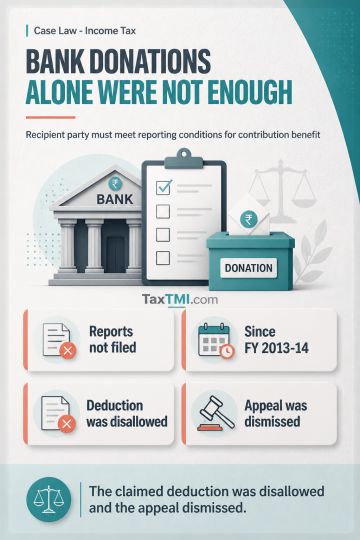
Political contribution deductions require recipient party compliance with contribution-reporting conditions; banking-channel donations alone do not qu...
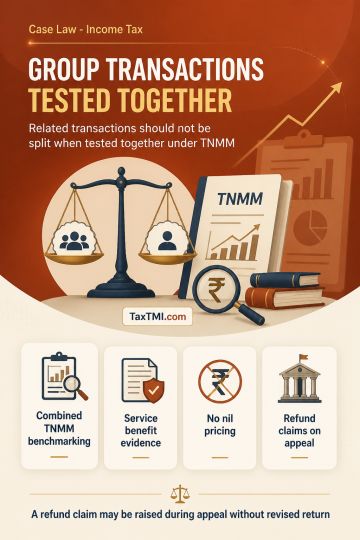
Aggregation under TNMM prevents selective testing of intra-group services without comparable uncontrolled transactions, while appellate additional cla...
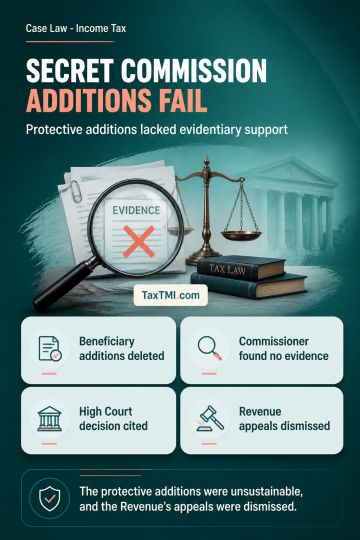
Protective assessment cannot duplicate identical receipts under competing characterisations; remote services did not establish a taxable permanent est...
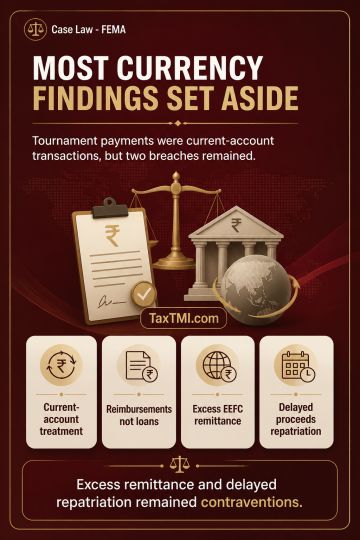
Current account treatment of overseas tournament services removed most FEMA findings, but excess EEFC remittance and delayed repatriation remained bre...
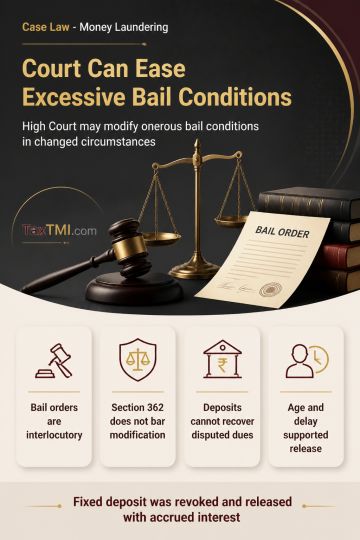
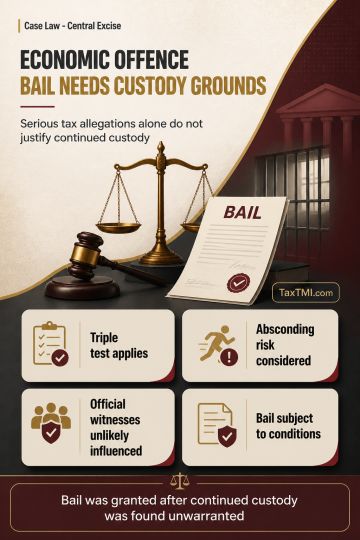
Modification of bail conditions remains available through inherent jurisdiction where onerous deposits undermine justice and cannot recover disputed d...
The High Court dismissed the writ petition challenging the notice issued u/s 65 of the Maharashtra Goods and Services Tax Act, 2017 for conducting an audit for the financial year 2020-21, even though the petitioner had ceased to be registered on the date of ordering the audit. The Court held that the provisions of Section 65 dealing with audit would apply to a person who was registered under the CGST Act for the period for which an audit is ordered, irrespective of subsequent de-registration. The preliminary audit report had found excess input tax credit claimed, improper reversal of input tax credit, and short disclosure of other income, resulting in a total tax plus interest liability. The Court observed that a person cannot escape audit proceedings by claiming de-registration, as obligations u/s 65(5) must be complied with, and Section 29(3) requires discharge of obligations even after cancellation of registration. Obstructing audit proceedings by taking such a plea would be improper if the assessee has defaulted in tax payment, wrongly availed input tax credit or refund.
The High Court dismissed the writ petition challenging the notice issued u/s 65 of the Maharashtra Goods and Services Tax Act, 2017 for conducting an audit for the financial year 2020-21, even though the petitioner had ceased to be registered on the date of ordering the audit. The Court held that the provisions of Section 65 dealing with audit would apply to a person who was registered under the CGST Act for the period for which an audit is ordered, irrespective of subsequent de-registration. The preliminary audit report had found excess input tax credit claimed, improper reversal of input tax credit, and short disclosure of other income, resulting in a total tax plus interest liability. The Court observed that a person cannot escape audit proceedings by claiming de-registration, as obligations u/s 65(5) must be complied with, and Section 29(3) requires discharge of obligations even after cancellation of registration. Obstructing audit proceedings by taking such a plea would be improper if the assessee has defaulted in tax payment, wrongly availed input tax credit or refund.
Note: It is a system-generated summary and is for quick reference only.
 TaxTMI
 of 4801










 Join Channel


 TaxTMI
