Commercial vehicle depreciation, scientifically determined warranty provisions and exempt-income disallowances were resolved in favour of the taxpayer...
Inherited property sale proceeds require capital-gains treatment where ownership is supported by evidence, not suspicion or unverified signature doubt...
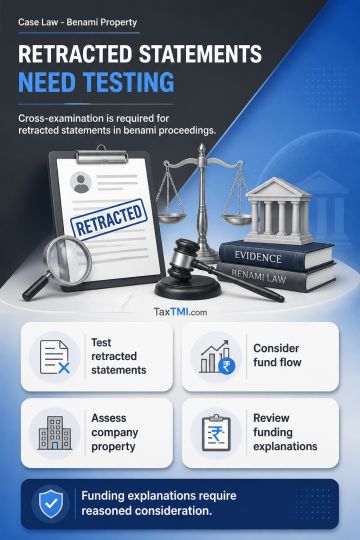
Cross-examination of retracted statements is essential where foundational evidence supports a benami allegation and documented funding explanations re...
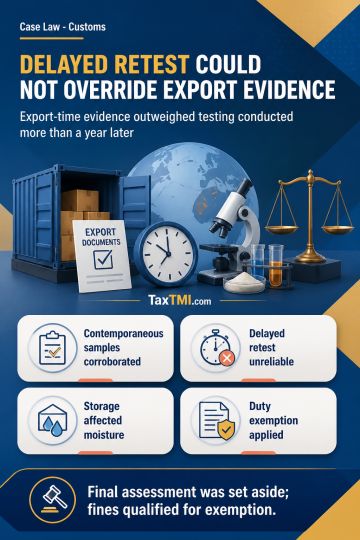
Capital-goods exemption covers plant-modernisation accessories, while the import restriction applies only to earlier capital-goods components and spar...
Constitutional judicial review permits challenges to ECIRs and connected money-laundering proceedings where coercive action affects fundamental intere...
The High Court dismissed the writ petition challenging the notice issued u/s 65 of the Maharashtra Goods and Services Tax Act, 2017 for conducting an audit for the financial year 2020-21, even though the petitioner had ceased to be registered on the date of ordering the audit. The Court held that the provisions of Section 65 dealing with audit would apply to a person who was registered under the CGST Act for the period for which an audit is ordered, irrespective of subsequent de-registration. The preliminary audit report had found excess input tax credit claimed, improper reversal of input tax credit, and short disclosure of other income, resulting in a total tax plus interest liability. The Court observed that a person cannot escape audit proceedings by claiming de-registration, as obligations u/s 65(5) must be complied with, and Section 29(3) requires discharge of obligations even after cancellation of registration. Obstructing audit proceedings by taking such a plea would be improper if the assessee has defaulted in tax payment, wrongly availed input tax credit or refund.
The High Court dismissed the writ petition challenging the notice issued u/s 65 of the Maharashtra Goods and Services Tax Act, 2017 for conducting an audit for the financial year 2020-21, even though the petitioner had ceased to be registered on the date of ordering the audit. The Court held that the provisions of Section 65 dealing with audit would apply to a person who was registered under the CGST Act for the period for which an audit is ordered, irrespective of subsequent de-registration. The preliminary audit report had found excess input tax credit claimed, improper reversal of input tax credit, and short disclosure of other income, resulting in a total tax plus interest liability. The Court observed that a person cannot escape audit proceedings by claiming de-registration, as obligations u/s 65(5) must be complied with, and Section 29(3) requires discharge of obligations even after cancellation of registration. Obstructing audit proceedings by taking such a plea would be improper if the assessee has defaulted in tax payment, wrongly availed input tax credit or refund.
Note: It is a system-generated summary and is for quick reference only.
 TaxTMI
 of 4796


















 Join Channel


 TaxTMI
