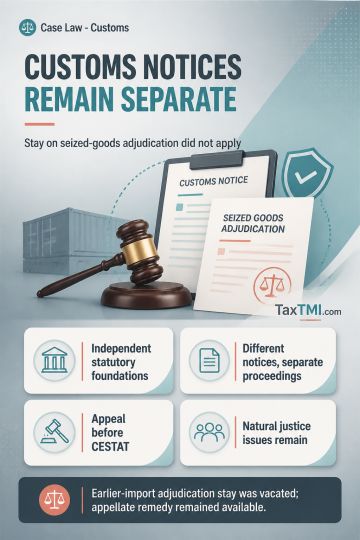
Independent show-cause notices remain separate proceedings, while customs adjudication challenges should ordinarily follow the statutory appellate rem...
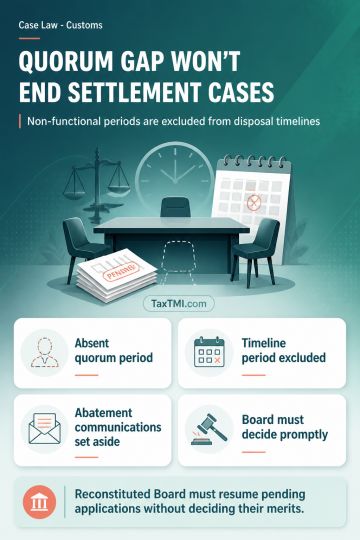
Institutional incapacity in customs settlement proceedings excludes non-functional quorum periods from statutory disposal timelines, preventing automa...
Interactive touchscreen panels with integrated computing functions fall under automatic data-processing machines rather than display monitors for cust...
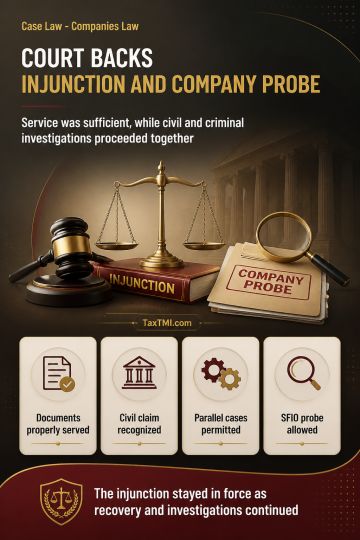
Ex parte injunction service requirements were substantially met, while civil recovery and SFIO investigation into provident fund defalcation continued...
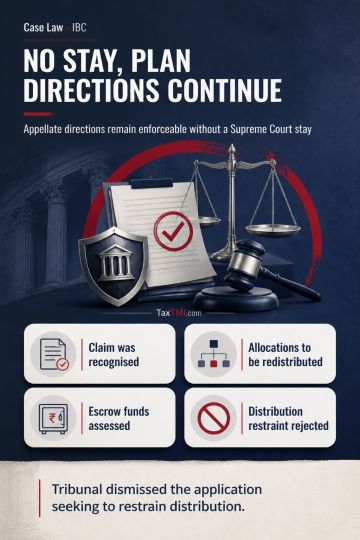
Enforcement of resolution-plan directions continues without a Supreme Court stay, preventing suspension of redistribution and escrowed-fund distributi...
Third-party ownership claims over attached property require Special Court adjudication where purchasers lack registered sale deeds and bona fides rema...
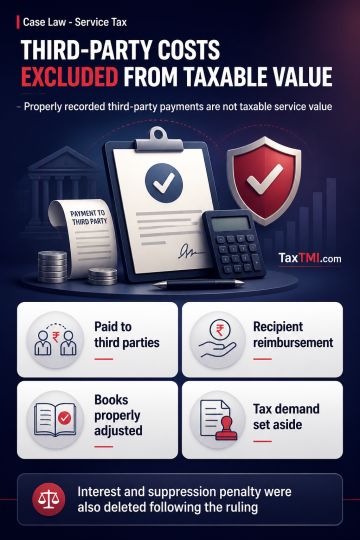
Pure-agent reimbursements in clearing and forwarding services are excluded from taxable value when qualifying third-party payments are properly record...
The High Court dismissed the writ petition challenging the notice issued u/s 65 of the Maharashtra Goods and Services Tax Act, 2017 for conducting an audit for the financial year 2020-21, even though the petitioner had ceased to be registered on the date of ordering the audit. The Court held that the provisions of Section 65 dealing with audit would apply to a person who was registered under the CGST Act for the period for which an audit is ordered, irrespective of subsequent de-registration. The preliminary audit report had found excess input tax credit claimed, improper reversal of input tax credit, and short disclosure of other income, resulting in a total tax plus interest liability. The Court observed that a person cannot escape audit proceedings by claiming de-registration, as obligations u/s 65(5) must be complied with, and Section 29(3) requires discharge of obligations even after cancellation of registration. Obstructing audit proceedings by taking such a plea would be improper if the assessee has defaulted in tax payment, wrongly availed input tax credit or refund.
The High Court dismissed the writ petition challenging the notice issued u/s 65 of the Maharashtra Goods and Services Tax Act, 2017 for conducting an audit for the financial year 2020-21, even though the petitioner had ceased to be registered on the date of ordering the audit. The Court held that the provisions of Section 65 dealing with audit would apply to a person who was registered under the CGST Act for the period for which an audit is ordered, irrespective of subsequent de-registration. The preliminary audit report had found excess input tax credit claimed, improper reversal of input tax credit, and short disclosure of other income, resulting in a total tax plus interest liability. The Court observed that a person cannot escape audit proceedings by claiming de-registration, as obligations u/s 65(5) must be complied with, and Section 29(3) requires discharge of obligations even after cancellation of registration. Obstructing audit proceedings by taking such a plea would be improper if the assessee has defaulted in tax payment, wrongly availed input tax credit or refund.
Note: It is a system-generated summary and is for quick reference only.
 TaxTMI
 of 4794












 Join Channel


 TaxTMI
