Transfer pricing and tax deductions upheld on established principles, while employee contributions and warranty provisions returned for fresh examinat...
Captive transfer pricing relies on industrial consumer tariffs, while genuine quotations can benchmark effluent treatment transfers under the Other Me...
Specific tariff classification for ophthalmic instruments and extended limitation principles determine the treatment of duty demands, confiscation, an...
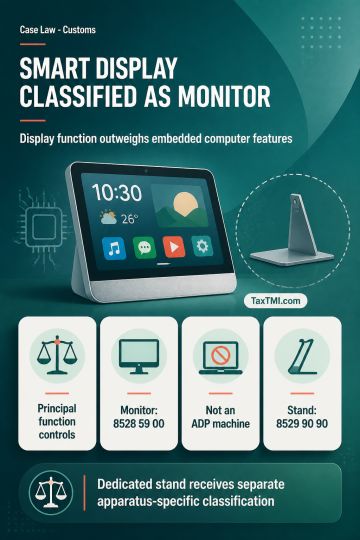
Integrated golf function determines classification, placing launch monitors and simulators under other golf equipment rather than measuring instrument...
Public servant status under anti-corruption law extends to recognised stock exchange leadership; constitutional and sanction challenges do not succeed...
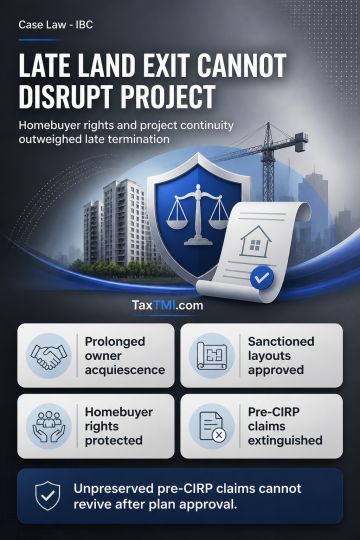
Acquiescence, homebuyer protection and clean-slate resolution principles prevent landowners from disrupting an integrated project through late termina...
The assessee, acting as a broker and intermediary, facilitated commodity transactions on the National Spot Exchange (NSEL) platform on behalf of clients. The transactions were carried out under the guise of commodity trading without ensuring actual delivery. The Revenue sought to treat the profits earned by the assessee as interest income, invoking TDS provisions u/s 194A. However, the Tribunal held that Section 194A cannot be invoked against the assessee as it was not responsible for paying interest to the clients. The assessee's role was limited to earning brokerage income, which was duly offered for taxation. The Tribunal relied on judicial precedents stating that TDS provisions cannot be applied to intermediaries/agents acting on behalf of clients. Furthermore, a SEBI order placed the primary responsibility on NSEL, not the brokers. Consequently, the Tribunal upheld the CIT(A)'s order, dismissing the Revenue's grounds regarding TDS u/s 194A.
The assessee, acting as a broker and intermediary, facilitated commodity transactions on the National Spot Exchange (NSEL) platform on behalf of clients. The transactions were carried out under the guise of commodity trading without ensuring actual delivery. The Revenue sought to treat the profits earned by the assessee as interest income, invoking TDS provisions u/s 194A. However, the Tribunal held that Section 194A cannot be invoked against the assessee as it was not responsible for paying interest to the clients. The assessee's role was limited to earning brokerage income, which was duly offered for taxation. The Tribunal relied on judicial precedents stating that TDS provisions cannot be applied to intermediaries/agents acting on behalf of clients. Furthermore, a SEBI order placed the primary responsibility on NSEL, not the brokers. Consequently, the Tribunal upheld the CIT(A)'s order, dismissing the Revenue's grounds regarding TDS u/s 194A.
Note: It is a system-generated summary and is for quick reference only.
 TaxTMI
 of 4805


















 Join Channel


 TaxTMI