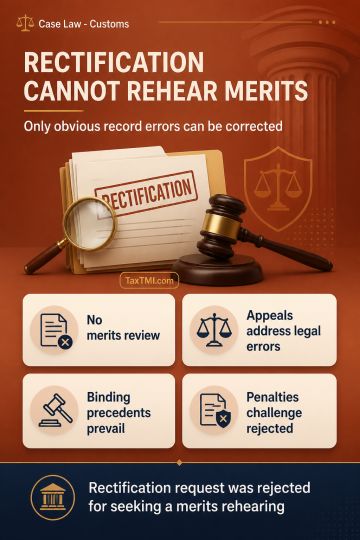
Rectification of mistake remains limited to self-evident record errors, preventing merits review through miscellaneous applications and preserving fin...
Tender creditworthiness conditions may extend to de facto Promoter Directors, with post-participation challenges generally barred absent arbitrariness...
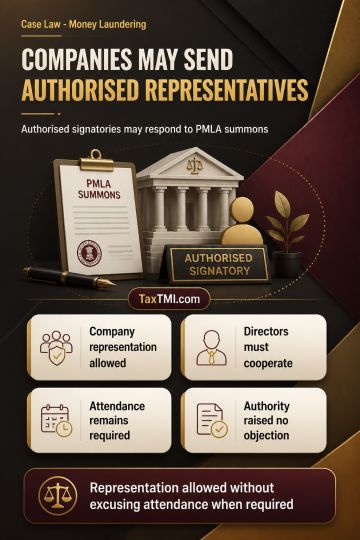
Corporate representation in PMLA summons proceedings permitted through an authorised signatory, subject to directors' continuing cooperation and atten...
Helicopter charter classification requires effective control analysis, while territorial performance, reasoned credit orders and wilful suppression de...
Specified fund definition expands PAN exemption eligibility for registered alternative investment funds and qualifying International Financial Service...
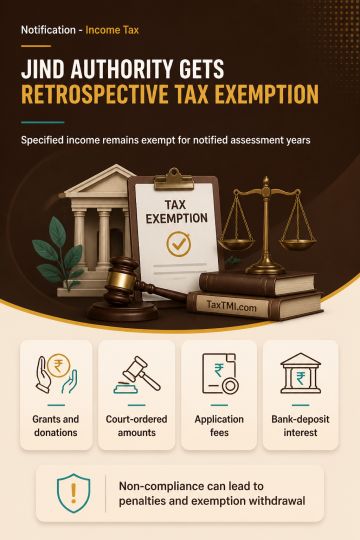
Tax exemption for specified legal-services authority income applies retrospectively, subject to non-commercial activity, unchanged income sources, and...
The assessee, acting as a broker and intermediary, facilitated commodity transactions on the National Spot Exchange (NSEL) platform on behalf of clients. The transactions were carried out under the guise of commodity trading without ensuring actual delivery. The Revenue sought to treat the profits earned by the assessee as interest income, invoking TDS provisions u/s 194A. However, the Tribunal held that Section 194A cannot be invoked against the assessee as it was not responsible for paying interest to the clients. The assessee's role was limited to earning brokerage income, which was duly offered for taxation. The Tribunal relied on judicial precedents stating that TDS provisions cannot be applied to intermediaries/agents acting on behalf of clients. Furthermore, a SEBI order placed the primary responsibility on NSEL, not the brokers. Consequently, the Tribunal upheld the CIT(A)'s order, dismissing the Revenue's grounds regarding TDS u/s 194A.
The assessee, acting as a broker and intermediary, facilitated commodity transactions on the National Spot Exchange (NSEL) platform on behalf of clients. The transactions were carried out under the guise of commodity trading without ensuring actual delivery. The Revenue sought to treat the profits earned by the assessee as interest income, invoking TDS provisions u/s 194A. However, the Tribunal held that Section 194A cannot be invoked against the assessee as it was not responsible for paying interest to the clients. The assessee's role was limited to earning brokerage income, which was duly offered for taxation. The Tribunal relied on judicial precedents stating that TDS provisions cannot be applied to intermediaries/agents acting on behalf of clients. Furthermore, a SEBI order placed the primary responsibility on NSEL, not the brokers. Consequently, the Tribunal upheld the CIT(A)'s order, dismissing the Revenue's grounds regarding TDS u/s 194A.
Note: It is a system-generated summary and is for quick reference only.
 TaxTMI
 of 4803









 Join Channel


 TaxTMI