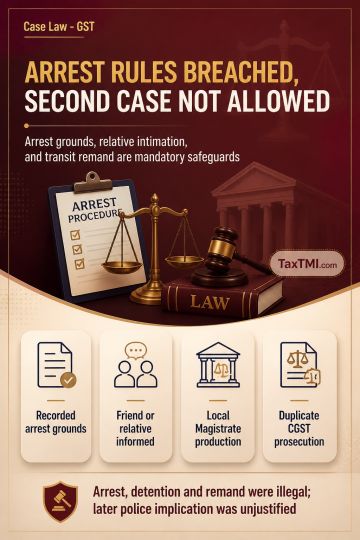
Arrest safeguards require disclosed grounds, relative intimation and transit remand, while duplicate prosecution under the CGST framework is unsustain...
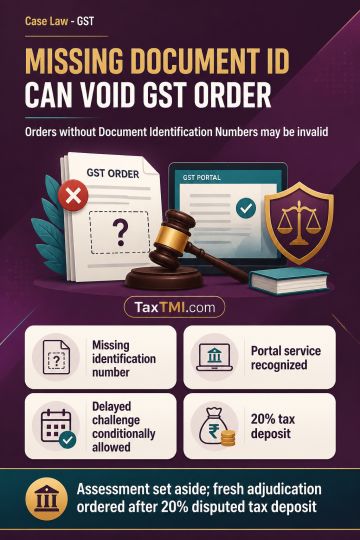
Document Identification Number defects can invalidate GST assessments, with delayed challenges entertained conditionally where patent irregularities e...
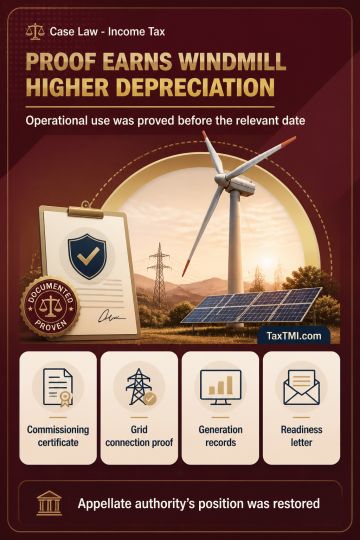
Windmill commissioning evidence supported higher depreciation where grid connection and electricity generation proved operational use before the relev...
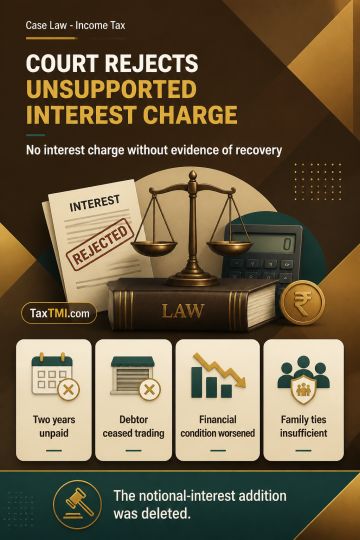
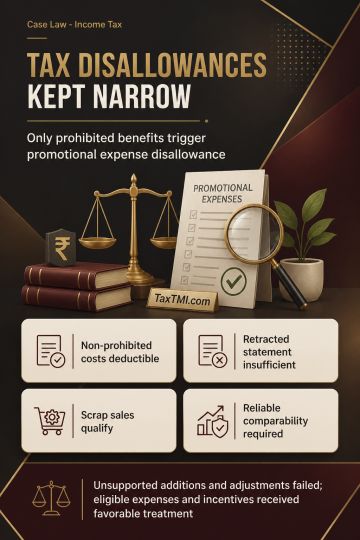
Pharmaceutical promotion and transfer-pricing comparability principles limited disallowances, while uncorroborated search allegations and unsupported ...
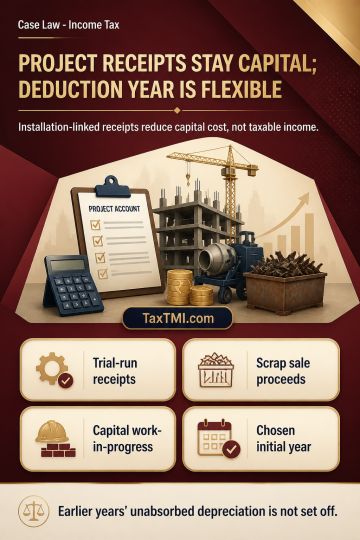
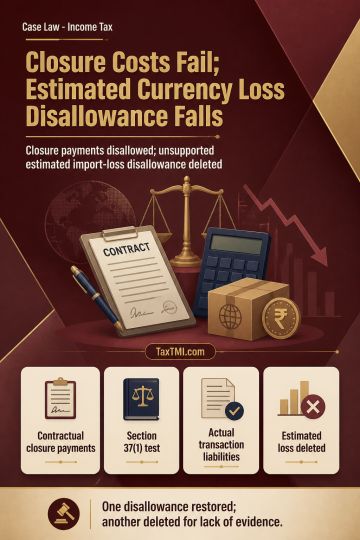
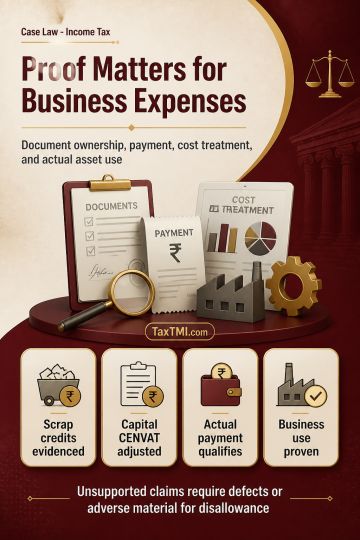
Business expenditure substantiation supports scrap credits, statutory payments and expense claims, while depreciation requires proof of actual busines...
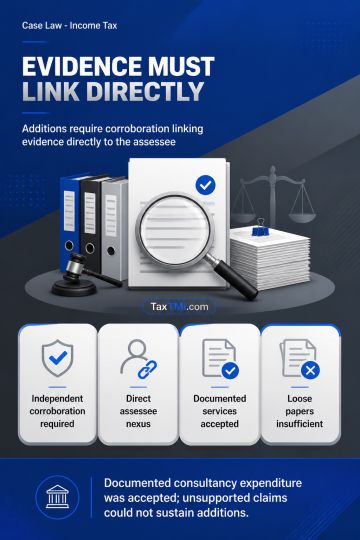
In this case, the Income Tax Appellate Tribunal (ITAT) examined the additions made by the Assessing Officer (AO) regarding long-term capital gains (LTCG) from share transactions treated as sham, additions u/ss 68 or 69A for unexplained credits, and addition u/s 69C for alleged unaccounted commission paid. The key points are: The claim for exemption on LTCG cannot be denied merely on suspicion or surmises regarding penny stocks, disregarding direct evidence like contract notes, banking channels, STT payment, and demat account. The AO must provide cogent corroborative material to establish unaccounted income routed back. Mere share value appreciation cannot justify treating transactions as fictitious. The shares were acquired through preferential allotment directly from the company, not brokers. Payment was through banking channels, delivery taken in demat account, held for over a year, contract notes issued, and sold on recognized stock exchange. SEBI did not declare the investee company bogus. Additions u/s 68 apply to credits in books of account, not bank statements. Section 69A addition was made solely on the presumption of redeploying undisclosed income as capital gains without independent tangible evidence of undisclosed income or bogus transactions. The 6.5% addition.
In this case, the Income Tax Appellate Tribunal (ITAT) examined the additions made by the Assessing Officer (AO) regarding long-term capital gains (LTCG) from share transactions treated as sham, additions u/ss 68 or 69A for unexplained credits, and addition u/s 69C for alleged unaccounted commission paid. The key points are: The claim for exemption on LTCG cannot be denied merely on suspicion or surmises regarding penny stocks, disregarding direct evidence like contract notes, banking channels, STT payment, and demat account. The AO must provide cogent corroborative material to establish unaccounted income routed back. Mere share value appreciation cannot justify treating transactions as fictitious. The shares were acquired through preferential allotment directly from the company, not brokers. Payment was through banking channels, delivery taken in demat account, held for over a year, contract notes issued, and sold on recognized stock exchange. SEBI did not declare the investee company bogus. Additions u/s 68 apply to credits in books of account, not bank statements. Section 69A addition was made solely on the presumption of redeploying undisclosed income as capital gains without independent tangible evidence of undisclosed income or bogus transactions. The 6.5% addition.
Note: It is a system-generated summary and is for quick reference only.
 TaxTMI
 of 4788




 Join Channel


 TaxTMI