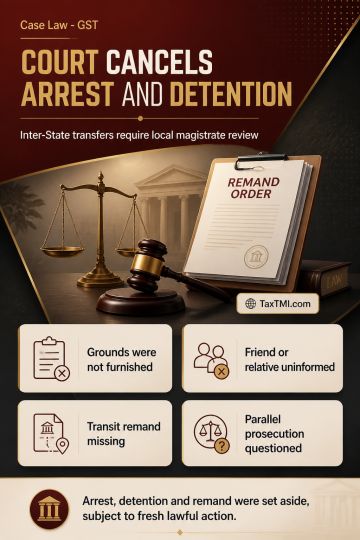
Arrest safeguards and transit remand requirements invalidated detention following inter-State transfer without communicated grounds or magistrate auth...
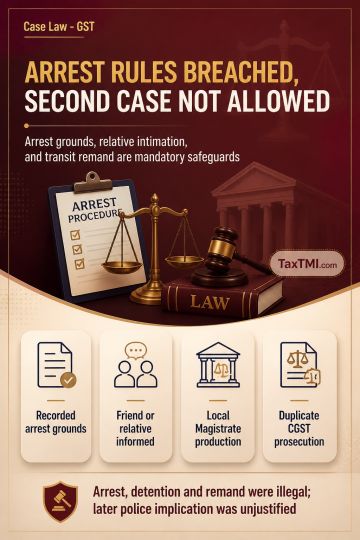
Arrest safeguards require disclosed grounds, relative intimation and transit remand, while duplicate prosecution under the CGST framework is unsustain...
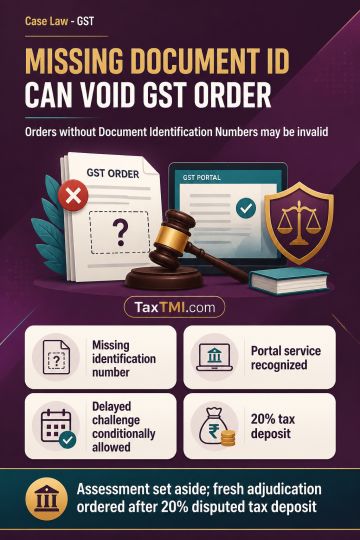
Document Identification Number defects can invalidate GST assessments, with delayed challenges entertained conditionally where patent irregularities e...
Windmill commissioning evidence supported higher depreciation where grid connection and electricity generation proved operational use before the relev...
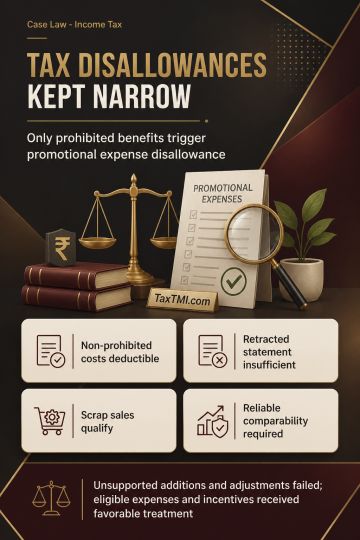
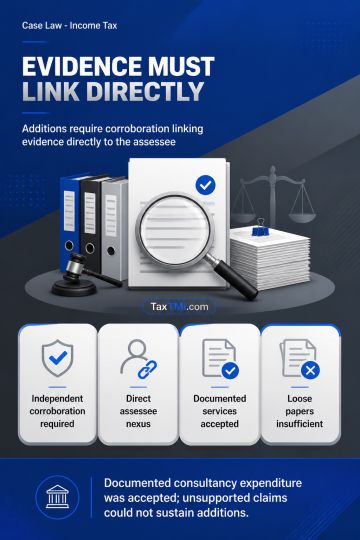
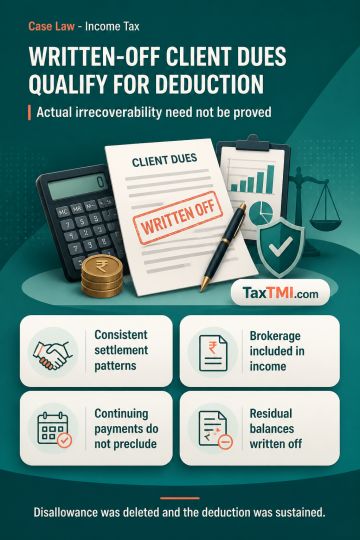
Pharmaceutical promotion and transfer-pricing comparability principles limited disallowances, while uncorroborated search allegations and unsupported ...
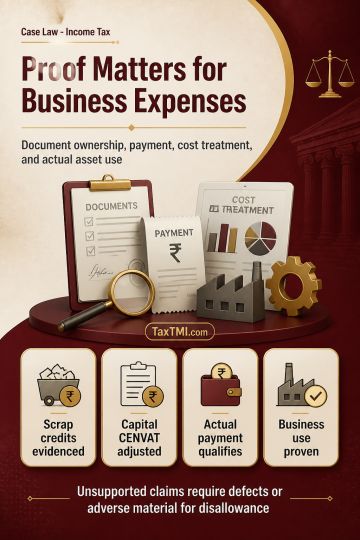
Business expenditure substantiation supports scrap credits, statutory payments and expense claims, while depreciation requires proof of actual busines...
Refund claim was rejected as time-barred, having been filed beyond the one-year limitation period stipulated u/s 27 of the Customs Act, 1962. The appellant had inadvertently paid customs duty twice due to an ICEGATE error, resulting in double payment. The refund sanctioning authority held the refund claim as time-barred since it was not filed within one year from the date of duty payment. The key issue was whether the excess amount paid constituted a duty or a deposit, determining the applicability of Section 27's limitation period. The CESTAT upheld the rejection, ruling that barring unconstitutional levies, all refund claims must comply with statutory provisions, including limitation periods. The excess payment, though inadvertent, was in the nature of duty, not a deposit or illegal levy, and thus subject to Section 27's limitation. Tribunals, being statutory creatures, must function within the legislative framework.
Refund claim was rejected as time-barred, having been filed beyond the one-year limitation period stipulated u/s 27 of the Customs Act, 1962. The appellant had inadvertently paid customs duty twice due to an ICEGATE error, resulting in double payment. The refund sanctioning authority held the refund claim as time-barred since it was not filed within one year from the date of duty payment. The key issue was whether the excess amount paid constituted a duty or a deposit, determining the applicability of Section 27's limitation period. The CESTAT upheld the rejection, ruling that barring unconstitutional levies, all refund claims must comply with statutory provisions, including limitation periods. The excess payment, though inadvertent, was in the nature of duty, not a deposit or illegal levy, and thus subject to Section 27's limitation. Tribunals, being statutory creatures, must function within the legislative framework.
Note: It is a system-generated summary and is for quick reference only.
 TaxTMI
 of 4792





 Join Channel


 TaxTMI