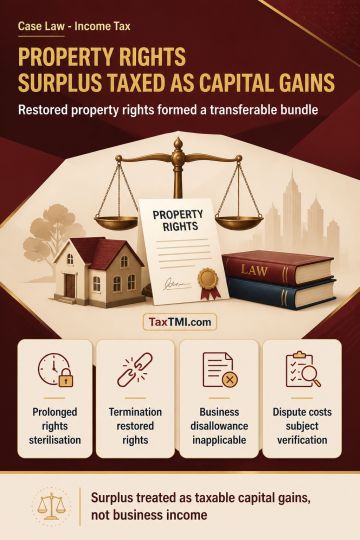
Prolonged sterilisation of development rights supports capital-gains treatment, while business-income disallowances cannot govern capital-gains comput...
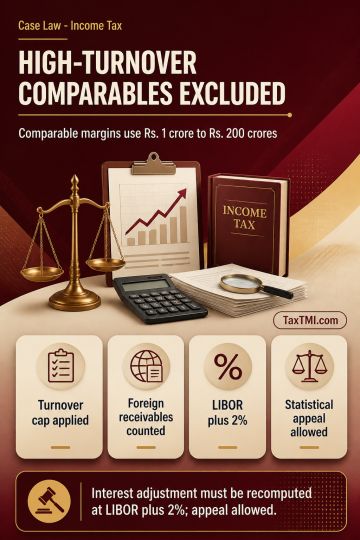
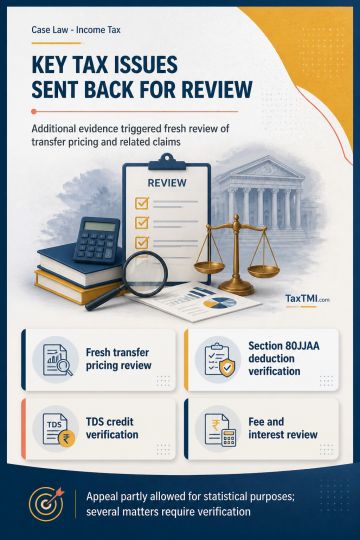
Additional evidence in transfer pricing dispute leads to fresh examination, while tax deductions, TDS credit, fee and refund interest require verifica...
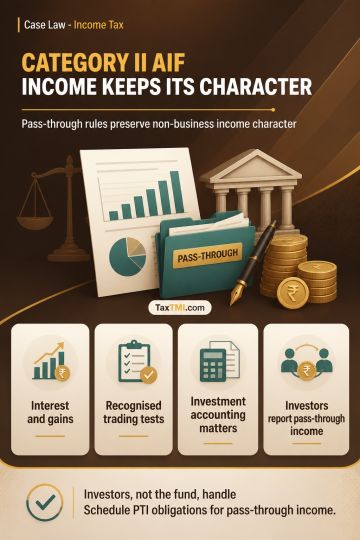
Category II AIF pass-through taxation preserves non-business income character; investment receipts cannot be reclassified without applying recognised ...
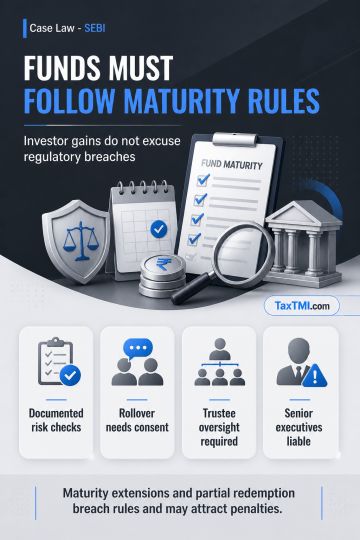
Mutual fund maturity rules require proper rollover, redemption, disclosure, and due diligence; investor gains cannot excuse regulatory breaches or pen...
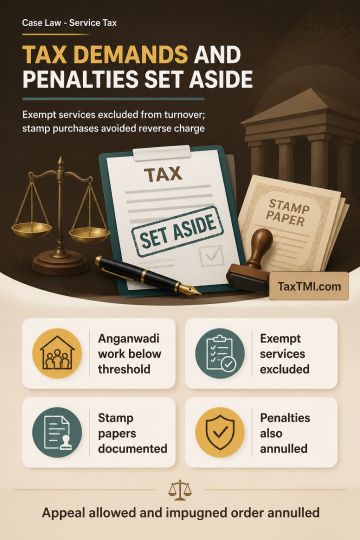
Threshold exemption excludes exempt services, while stamp-paper purchases avoid reverse charge; consequential service tax penalties were also set asid...
The assessee provided documentary evidence supporting the purchase and subsequent sale of shares leading to long-term capital gains (LTCG). The evidence included purchase bills, bank statements showing payment, demat account reflecting share holdings, online sale through a recognized broker with contract notes, and receipt of sale proceeds in the bank account. The Assessing Officer (AO) treated the LTCG as bogus based on statements from third parties involved in providing accommodation entries, denying exemption u/s 10(38). However, the AO failed to produce any incriminating material or evidence contradicting the assessee's documents. Mere uncorroborated statements from third parties cannot render a transaction bogus without cogent contrary evidence. Following judicial precedents, the Income Tax Appellate Tribunal (ITAT) held that the claim for LTCG exemption u/s 10(38) is valid, and the addition made by the AO was deleted. Consequently, the addition u/s 69C for alleged notional commission paid was also rejected.
The assessee provided documentary evidence supporting the purchase and subsequent sale of shares leading to long-term capital gains (LTCG). The evidence included purchase bills, bank statements showing payment, demat account reflecting share holdings, online sale through a recognized broker with contract notes, and receipt of sale proceeds in the bank account. The Assessing Officer (AO) treated the LTCG as bogus based on statements from third parties involved in providing accommodation entries, denying exemption u/s 10(38). However, the AO failed to produce any incriminating material or evidence contradicting the assessee's documents. Mere uncorroborated statements from third parties cannot render a transaction bogus without cogent contrary evidence. Following judicial precedents, the Income Tax Appellate Tribunal (ITAT) held that the claim for LTCG exemption u/s 10(38) is valid, and the addition made by the AO was deleted. Consequently, the addition u/s 69C for alleged notional commission paid was also rejected.
Note: It is a system-generated summary and is for quick reference only.
 TaxTMI
 of 4805



 Join Channel


 TaxTMI
