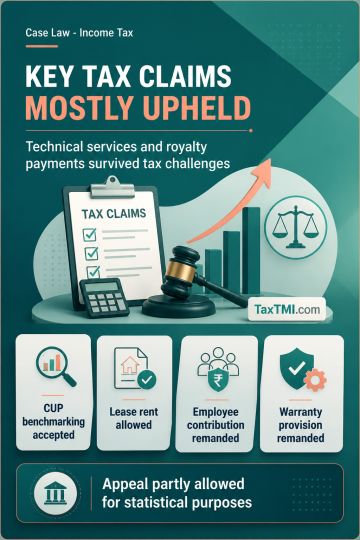
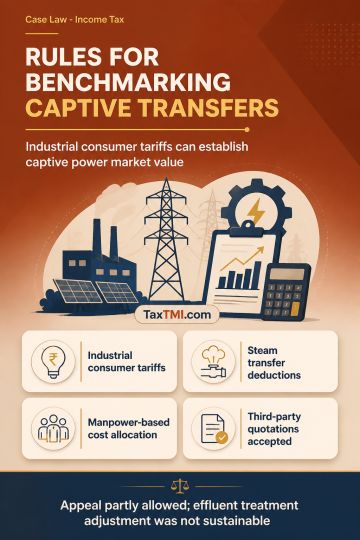
Transfer pricing and tax deductions upheld on established principles, while employee contributions and warranty provisions returned for fresh examinat...
Captive transfer pricing relies on industrial consumer tariffs, while genuine quotations can benchmark effluent treatment transfers under the Other Me...
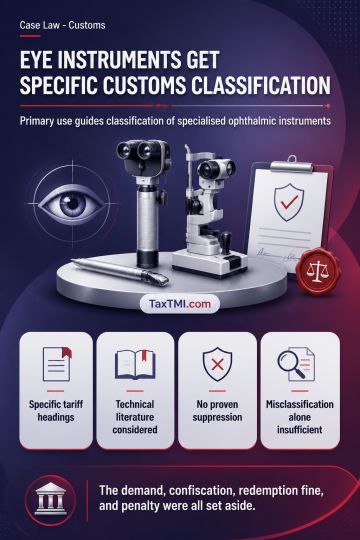
Specific tariff classification for ophthalmic instruments and extended limitation principles determine the treatment of duty demands, confiscation, an...
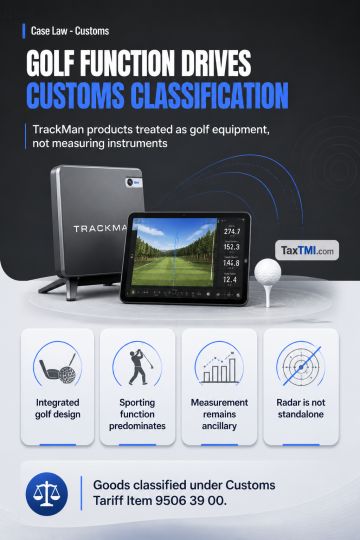
Integrated golf function determines classification, placing launch monitors and simulators under other golf equipment rather than measuring instrument...
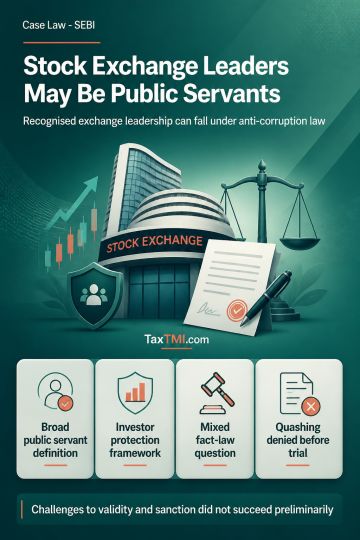
Public servant status under anti-corruption law extends to recognised stock exchange leadership; constitutional and sanction challenges do not succeed...
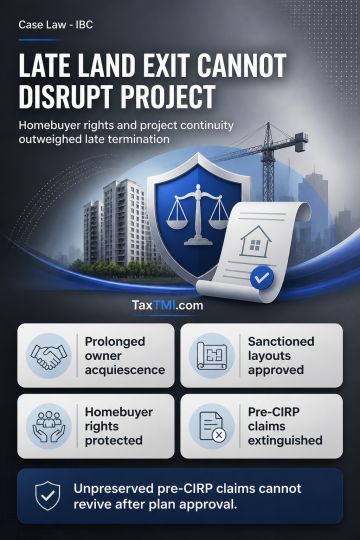
Acquiescence, homebuyer protection and clean-slate resolution principles prevent landowners from disrupting an integrated project through late termina...
The assessee provided documentary evidence supporting the purchase and subsequent sale of shares leading to long-term capital gains (LTCG). The evidence included purchase bills, bank statements showing payment, demat account reflecting share holdings, online sale through a recognized broker with contract notes, and receipt of sale proceeds in the bank account. The Assessing Officer (AO) treated the LTCG as bogus based on statements from third parties involved in providing accommodation entries, denying exemption u/s 10(38). However, the AO failed to produce any incriminating material or evidence contradicting the assessee's documents. Mere uncorroborated statements from third parties cannot render a transaction bogus without cogent contrary evidence. Following judicial precedents, the Income Tax Appellate Tribunal (ITAT) held that the claim for LTCG exemption u/s 10(38) is valid, and the addition made by the AO was deleted. Consequently, the addition u/s 69C for alleged notional commission paid was also rejected.
The assessee provided documentary evidence supporting the purchase and subsequent sale of shares leading to long-term capital gains (LTCG). The evidence included purchase bills, bank statements showing payment, demat account reflecting share holdings, online sale through a recognized broker with contract notes, and receipt of sale proceeds in the bank account. The Assessing Officer (AO) treated the LTCG as bogus based on statements from third parties involved in providing accommodation entries, denying exemption u/s 10(38). However, the AO failed to produce any incriminating material or evidence contradicting the assessee's documents. Mere uncorroborated statements from third parties cannot render a transaction bogus without cogent contrary evidence. Following judicial precedents, the Income Tax Appellate Tribunal (ITAT) held that the claim for LTCG exemption u/s 10(38) is valid, and the addition made by the AO was deleted. Consequently, the addition u/s 69C for alleged notional commission paid was also rejected.
Note: It is a system-generated summary and is for quick reference only.
 TaxTMI
 of 4805



 Join Channel


 TaxTMI