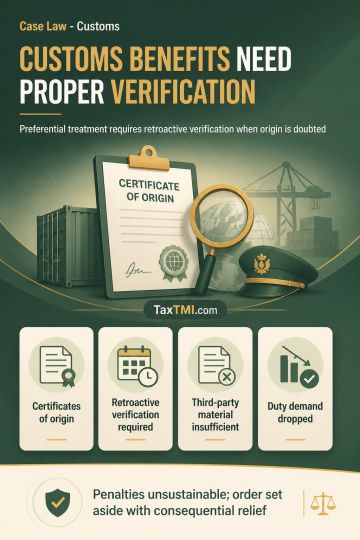
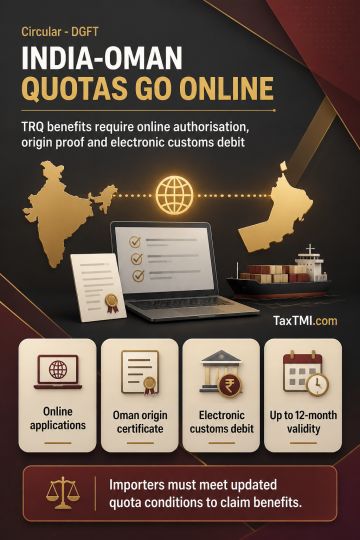
Certificate-of-origin verification procedure governs preferential customs benefits; denial without retroactive verification was set aside with consequ...
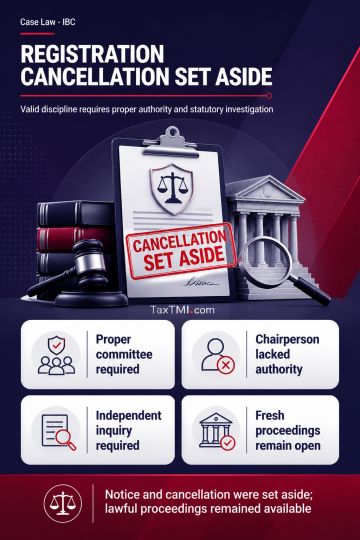
Disciplinary Committee jurisdiction and mandatory investigation requirements invalidated cancellation of an insolvency professional's registration and...
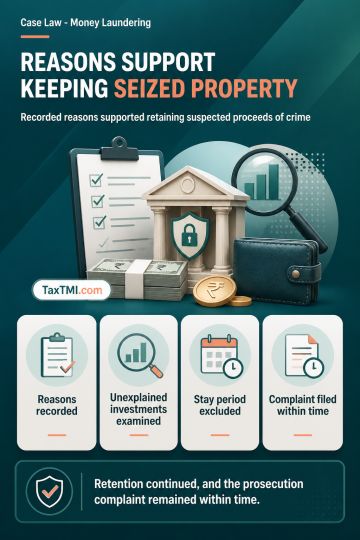
Retention of seized property survives where recorded reasons support proceeds of crime, while stayed investigation periods are excluded from limitatio...
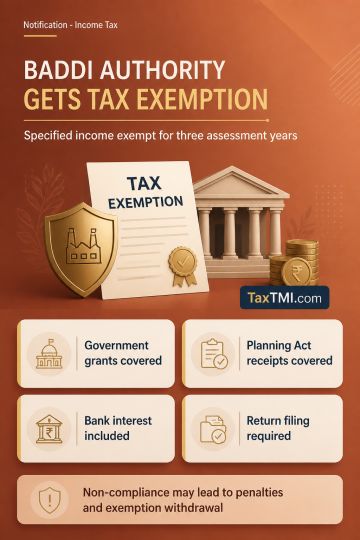
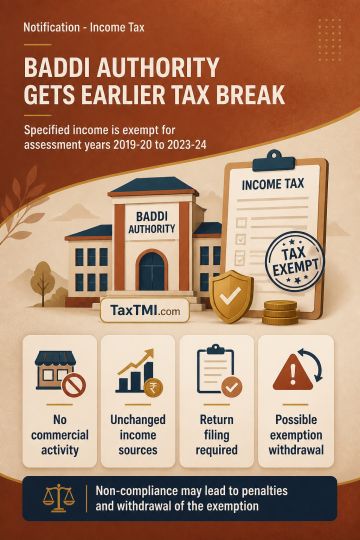
Specified income of Baddi Barotiwala Nalagarh Development Authority receives conditional tax exemption, retrospectively covering its designated assess...
Specified development authority income receives retrospective tax exemption, subject to non-commercial activity, unchanged income sources, and return-...
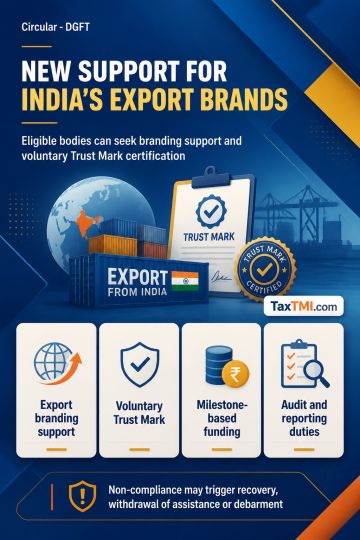
Unified Brand India framework introduces voluntary Trust Mark certification and funding support for export branding, packaging and global promotional ...
The assessee provided documentary evidence supporting the purchase and subsequent sale of shares leading to long-term capital gains (LTCG). The evidence included purchase bills, bank statements showing payment, demat account reflecting share holdings, online sale through a recognized broker with contract notes, and receipt of sale proceeds in the bank account. The Assessing Officer (AO) treated the LTCG as bogus based on statements from third parties involved in providing accommodation entries, denying exemption u/s 10(38). However, the AO failed to produce any incriminating material or evidence contradicting the assessee's documents. Mere uncorroborated statements from third parties cannot render a transaction bogus without cogent contrary evidence. Following judicial precedents, the Income Tax Appellate Tribunal (ITAT) held that the claim for LTCG exemption u/s 10(38) is valid, and the addition made by the AO was deleted. Consequently, the addition u/s 69C for alleged notional commission paid was also rejected.
The assessee provided documentary evidence supporting the purchase and subsequent sale of shares leading to long-term capital gains (LTCG). The evidence included purchase bills, bank statements showing payment, demat account reflecting share holdings, online sale through a recognized broker with contract notes, and receipt of sale proceeds in the bank account. The Assessing Officer (AO) treated the LTCG as bogus based on statements from third parties involved in providing accommodation entries, denying exemption u/s 10(38). However, the AO failed to produce any incriminating material or evidence contradicting the assessee's documents. Mere uncorroborated statements from third parties cannot render a transaction bogus without cogent contrary evidence. Following judicial precedents, the Income Tax Appellate Tribunal (ITAT) held that the claim for LTCG exemption u/s 10(38) is valid, and the addition made by the AO was deleted. Consequently, the addition u/s 69C for alleged notional commission paid was also rejected.
Note: It is a system-generated summary and is for quick reference only.
 TaxTMI
 of 4803



 Join Channel


 TaxTMI