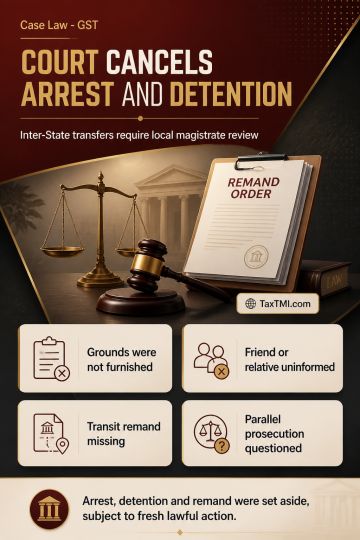
Arrest safeguards and transit remand requirements invalidated detention following inter-State transfer without communicated grounds or magistrate auth...
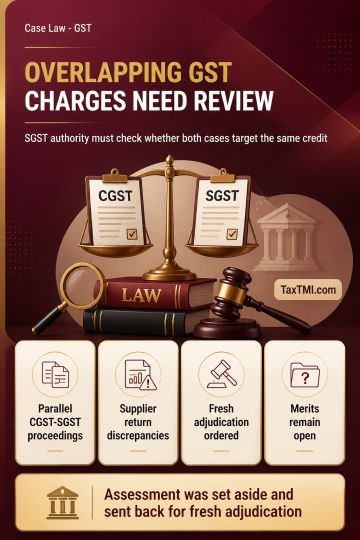
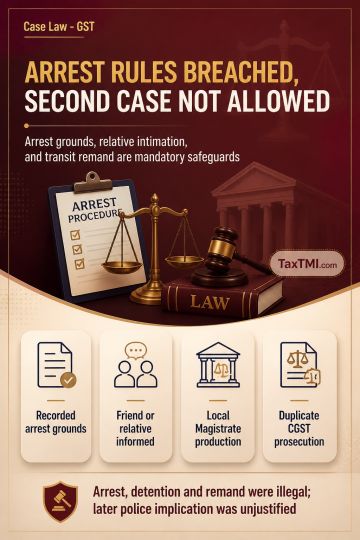
Arrest safeguards require disclosed grounds, relative intimation and transit remand, while duplicate prosecution under the CGST framework is unsustain...
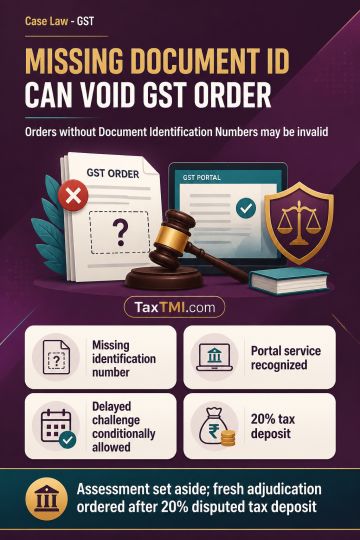
Document Identification Number defects can invalidate GST assessments, with delayed challenges entertained conditionally where patent irregularities e...
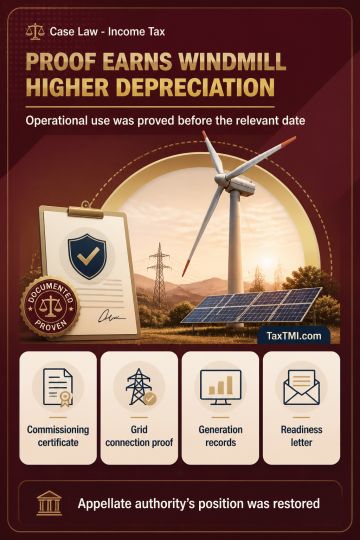
Windmill commissioning evidence supported higher depreciation where grid connection and electricity generation proved operational use before the relev...
The assessee provided documentary evidence supporting the purchase and subsequent sale of shares leading to long-term capital gains (LTCG). The evidence included purchase bills, bank statements showing payment, demat account reflecting share holdings, online sale through a recognized broker with contract notes, and receipt of sale proceeds in the bank account. The Assessing Officer (AO) treated the LTCG as bogus based on statements from third parties involved in providing accommodation entries, denying exemption u/s 10(38). However, the AO failed to produce any incriminating material or evidence contradicting the assessee's documents. Mere uncorroborated statements from third parties cannot render a transaction bogus without cogent contrary evidence. Following judicial precedents, the Income Tax Appellate Tribunal (ITAT) held that the claim for LTCG exemption u/s 10(38) is valid, and the addition made by the AO was deleted. Consequently, the addition u/s 69C for alleged notional commission paid was also rejected.
The assessee provided documentary evidence supporting the purchase and subsequent sale of shares leading to long-term capital gains (LTCG). The evidence included purchase bills, bank statements showing payment, demat account reflecting share holdings, online sale through a recognized broker with contract notes, and receipt of sale proceeds in the bank account. The Assessing Officer (AO) treated the LTCG as bogus based on statements from third parties involved in providing accommodation entries, denying exemption u/s 10(38). However, the AO failed to produce any incriminating material or evidence contradicting the assessee's documents. Mere uncorroborated statements from third parties cannot render a transaction bogus without cogent contrary evidence. Following judicial precedents, the Income Tax Appellate Tribunal (ITAT) held that the claim for LTCG exemption u/s 10(38) is valid, and the addition made by the AO was deleted. Consequently, the addition u/s 69C for alleged notional commission paid was also rejected.
Note: It is a system-generated summary and is for quick reference only.
 TaxTMI
 of 4801



 Join Channel


 TaxTMI