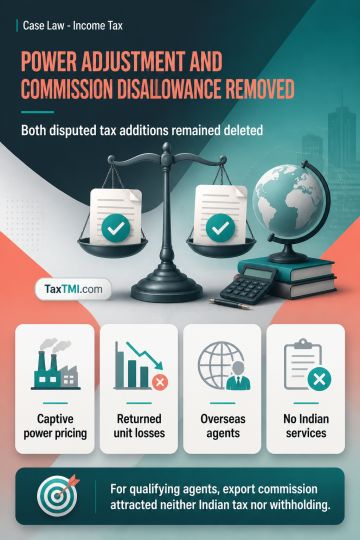
Captive power transfer pricing and non-resident export commission rules support deletion of adjustments and withholding disallowance in discussed proc...
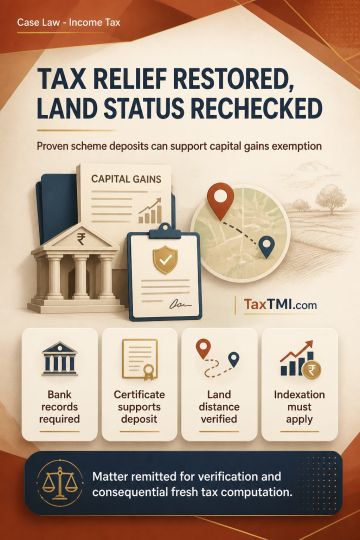
Cooperative society deposits, member-interest TDS exemption and credit-facility deduction claims require verification through records and supporting e...
Customs jurisdiction over EPCG condition breaches survives export-obligation discharge certificates, requiring alleged fraud and misdeclaration to be ...
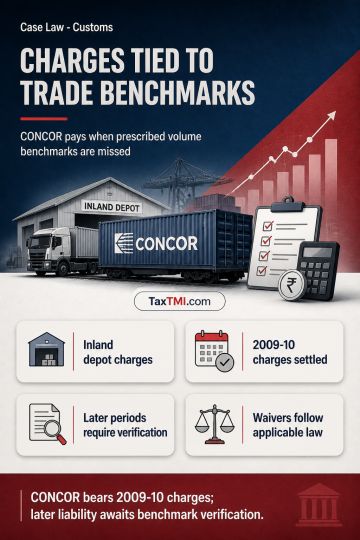
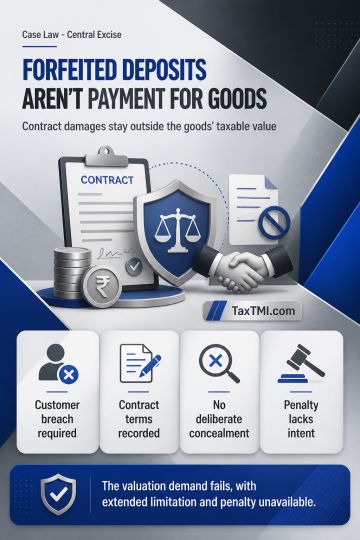
Contractual tolerance requires consideration; breach recoveries, qualifying public infrastructure services and road works escape service tax liability...
The appellant imported goods known as Tetramethyldodehdronaphto Furan (TF), classified as Aroma Chemicals. The show cause notice sought change in classification on grounds of its use as raw material for manufacturing synthetic perfumery compounds, fragrances, and flavour formulas. The Tribunal held that classification must be determined based on description in tariff headings, chapter and section notes, and rules of interpretation. The imported product, being a mixture of two isomers, is classifiable under Chapter 29 as per Chapter Note 1(b). The order relied on Chapter Note 1(e) to assert that when a product is dissolved in solvents making it suitable only for specific use, it can be taken out of Chapter 29. However, no evidence was produced regarding presence of solvents or suitability for single use. Consequently, the impugned order was set aside, and the appeal was allowed.
The appellant imported goods known as Tetramethyldodehdronaphto Furan (TF), classified as Aroma Chemicals. The show cause notice sought change in classification on grounds of its use as raw material for manufacturing synthetic perfumery compounds, fragrances, and flavour formulas. The Tribunal held that classification must be determined based on description in tariff headings, chapter and section notes, and rules of interpretation. The imported product, being a mixture of two isomers, is classifiable under Chapter 29 as per Chapter Note 1(b). The order relied on Chapter Note 1(e) to assert that when a product is dissolved in solvents making it suitable only for specific use, it can be taken out of Chapter 29. However, no evidence was produced regarding presence of solvents or suitability for single use. Consequently, the impugned order was set aside, and the appeal was allowed.
Note: It is a system-generated summary and is for quick reference only.
 TaxTMI
 of 4801












 Join Channel


 TaxTMI