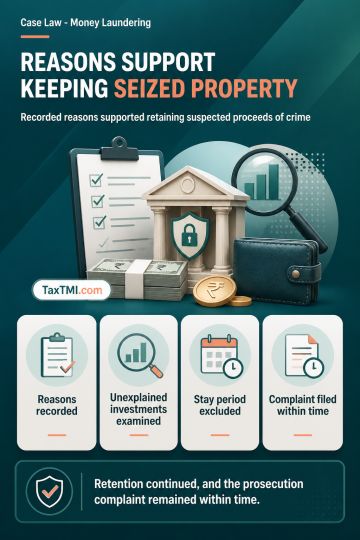
Retention of seized property survives where recorded reasons support proceeds of crime, while stayed investigation periods are excluded from limitatio...
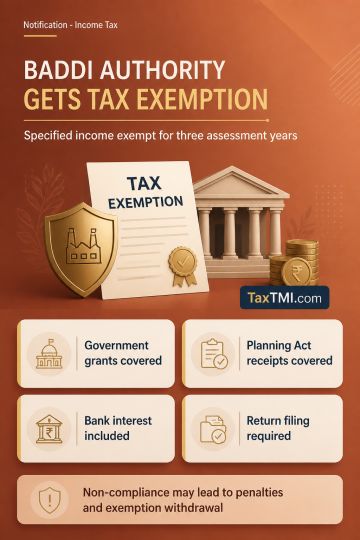
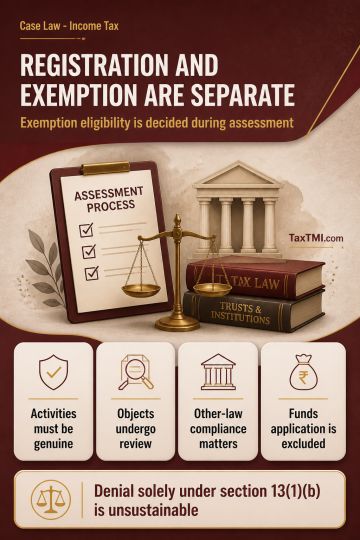
Specified income of Baddi Barotiwala Nalagarh Development Authority receives conditional tax exemption, retrospectively covering its designated assess...
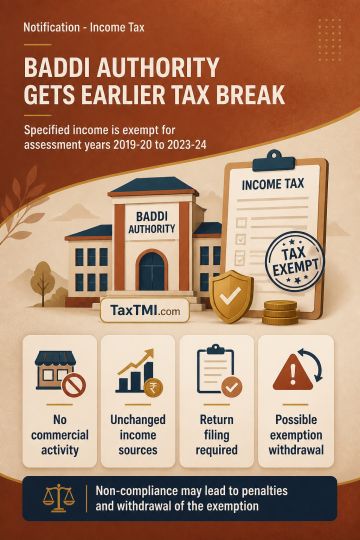
Specified development authority income receives retrospective tax exemption, subject to non-commercial activity, unchanged income sources, and return-...
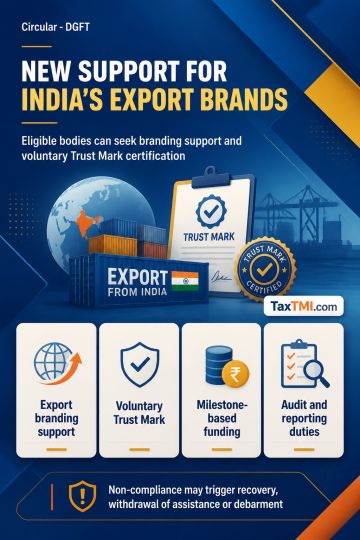
Unified Brand India framework introduces voluntary Trust Mark certification and funding support for export branding, packaging and global promotional ...
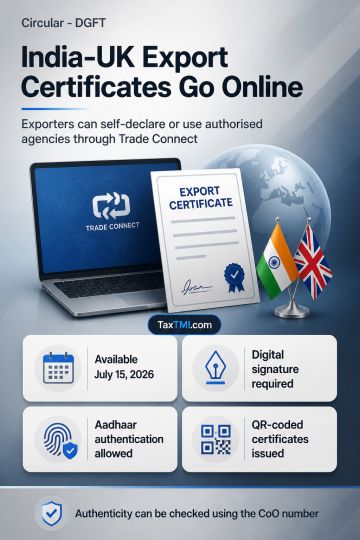
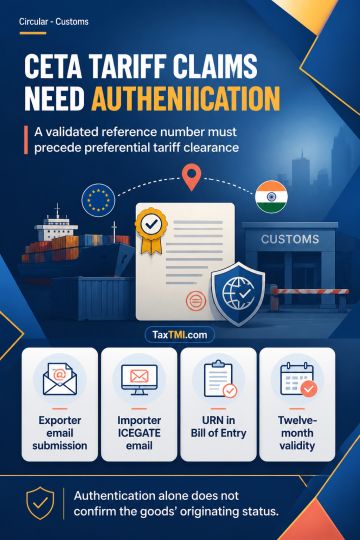
Origin Declaration authentication governs preferential tariff claims under India-UK CETA, requiring a validated reference number before import clearan...
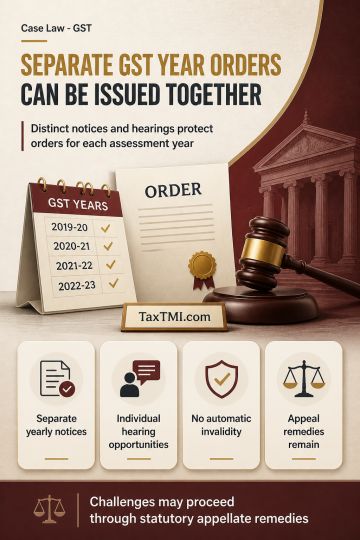
Separate assessment orders for different years remain valid when distinct notices and hearing opportunities prevent prejudice from combined proceeding...
The appellant had initially exported Indian tea to Netherlands, which was rejected and recalled to India. Upon re-importation, no DEPB claim was advanced. The goods were then imported against a Bill of Entry dated 17.03.2005 for re-export, claiming the benefit of Notification No.158/95. After processing, the goods were re-exported within the prescribed period under the said Notification, with proper declarations in the shipping bills. The allegation of non-compliance with procedures in identifying goods at the time of export or producing relevant reprocessing certificates was found unsustainable. The appellant was entitled to the benefit of Notification No.94/96-Cus. The Supreme Court's decision in Share Medical Care Vs. UOI established that an applicant is not barred from claiming the benefit of a notification at a later stage. Consequently, the impugned order demanding duty on the re-exported goods was set aside, and the appeal was allowed with consequential relief.
The appellant had initially exported Indian tea to Netherlands, which was rejected and recalled to India. Upon re-importation, no DEPB claim was advanced. The goods were then imported against a Bill of Entry dated 17.03.2005 for re-export, claiming the benefit of Notification No.158/95. After processing, the goods were re-exported within the prescribed period under the said Notification, with proper declarations in the shipping bills. The allegation of non-compliance with procedures in identifying goods at the time of export or producing relevant reprocessing certificates was found unsustainable. The appellant was entitled to the benefit of Notification No.94/96-Cus. The Supreme Court's decision in Share Medical Care Vs. UOI established that an applicant is not barred from claiming the benefit of a notification at a later stage. Consequently, the impugned order demanding duty on the re-exported goods was set aside, and the appeal was allowed with consequential relief.
Note: It is a system-generated summary and is for quick reference only.
 TaxTMI
 of 4805




 Join Channel


 TaxTMI
