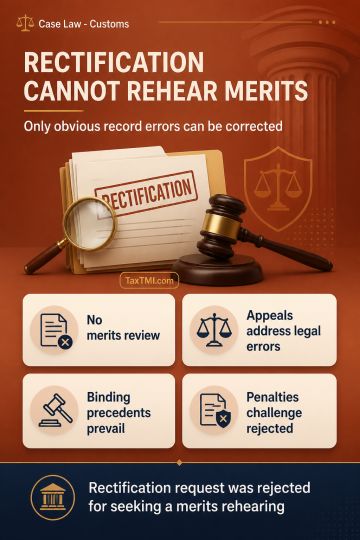
Rectification of mistake remains limited to self-evident record errors, preventing merits review through miscellaneous applications and preserving fin...
Tender creditworthiness conditions may extend to de facto Promoter Directors, with post-participation challenges generally barred absent arbitrariness...
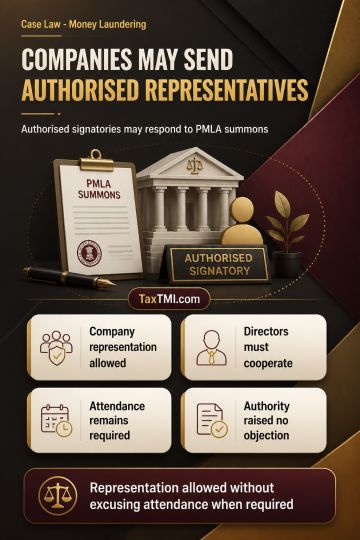
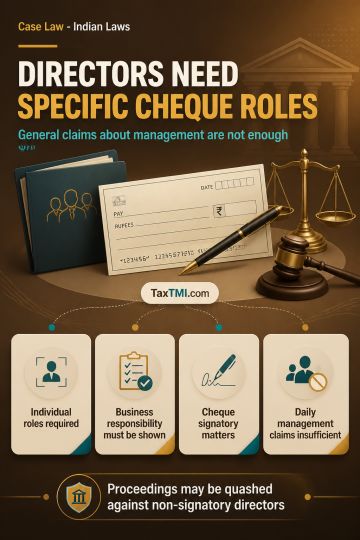
Corporate representation in PMLA summons proceedings permitted through an authorised signatory, subject to directors' continuing cooperation and atten...
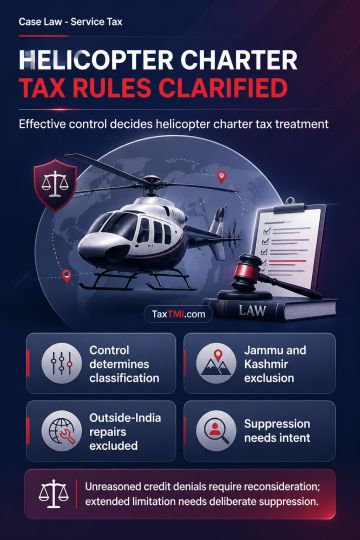
Helicopter charter classification requires effective control analysis, while territorial performance, reasoned credit orders and wilful suppression de...
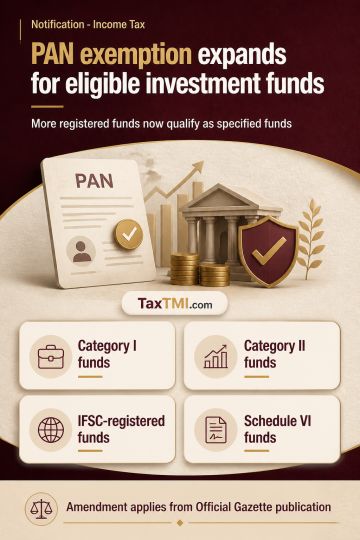
Specified fund definition expands PAN exemption eligibility for registered alternative investment funds and qualifying International Financial Service...
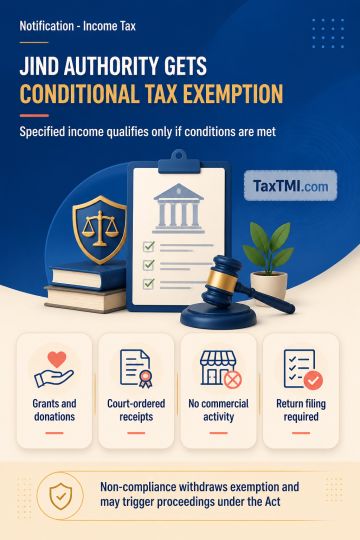
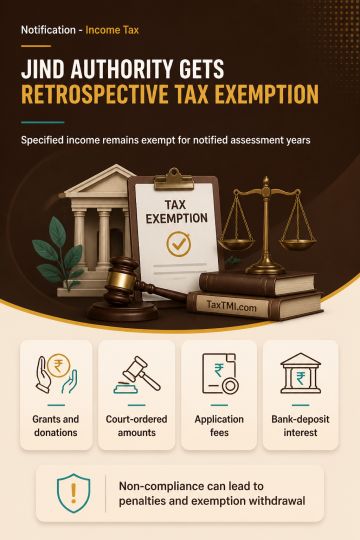
Tax exemption for specified legal-services authority income applies retrospectively, subject to non-commercial activity, unchanged income sources, and...
The appellant had initially exported Indian tea to Netherlands, which was rejected and recalled to India. Upon re-importation, no DEPB claim was advanced. The goods were then imported against a Bill of Entry dated 17.03.2005 for re-export, claiming the benefit of Notification No.158/95. After processing, the goods were re-exported within the prescribed period under the said Notification, with proper declarations in the shipping bills. The allegation of non-compliance with procedures in identifying goods at the time of export or producing relevant reprocessing certificates was found unsustainable. The appellant was entitled to the benefit of Notification No.94/96-Cus. The Supreme Court's decision in Share Medical Care Vs. UOI established that an applicant is not barred from claiming the benefit of a notification at a later stage. Consequently, the impugned order demanding duty on the re-exported goods was set aside, and the appeal was allowed with consequential relief.
The appellant had initially exported Indian tea to Netherlands, which was rejected and recalled to India. Upon re-importation, no DEPB claim was advanced. The goods were then imported against a Bill of Entry dated 17.03.2005 for re-export, claiming the benefit of Notification No.158/95. After processing, the goods were re-exported within the prescribed period under the said Notification, with proper declarations in the shipping bills. The allegation of non-compliance with procedures in identifying goods at the time of export or producing relevant reprocessing certificates was found unsustainable. The appellant was entitled to the benefit of Notification No.94/96-Cus. The Supreme Court's decision in Share Medical Care Vs. UOI established that an applicant is not barred from claiming the benefit of a notification at a later stage. Consequently, the impugned order demanding duty on the re-exported goods was set aside, and the appeal was allowed with consequential relief.
Note: It is a system-generated summary and is for quick reference only.
 TaxTMI
 of 4805




 Join Channel


 TaxTMI