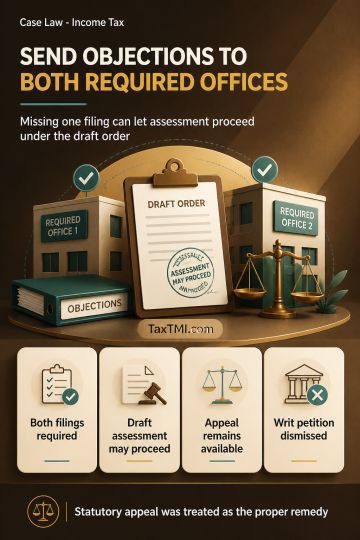
Dispute Resolution Panel objections must reach both prescribed forums; otherwise assessment may proceed and statutory appeal remains the proper remedy...
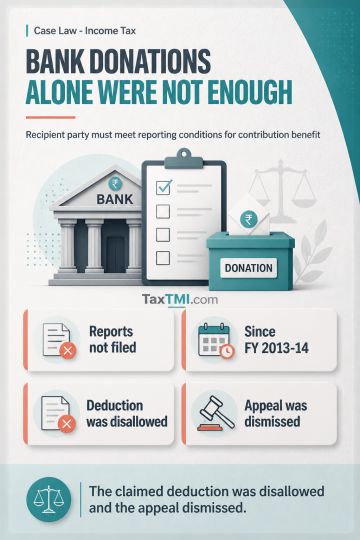
Political contribution deductions require recipient party compliance with contribution-reporting conditions; banking-channel donations alone do not qu...
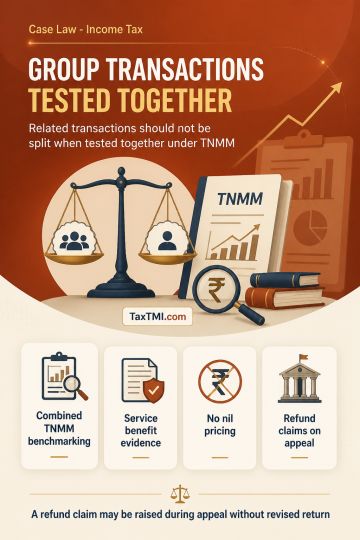
Aggregation under TNMM prevents selective testing of intra-group services without comparable uncontrolled transactions, while appellate additional cla...
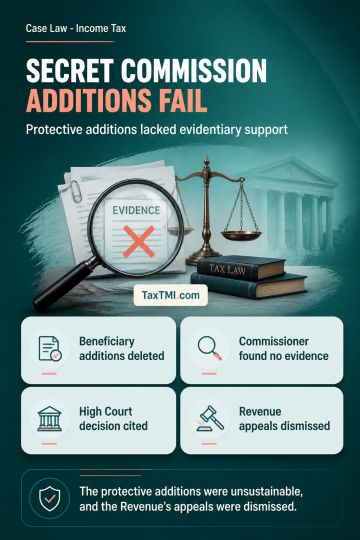
Protective assessment cannot duplicate identical receipts under competing characterisations; remote services did not establish a taxable permanent est...
Validity of SEBI Settlement Proceedings Regulations, specifically Regulations 6(1)(f) and 13(2)(ba) of the SEBI (Settlement Proceedings) Regulations, 2018. It examines allegations against noticees of acting in concert while acquiring shares without required disclosures, creating false trading appearances, and manipulative trading practices. The court held that the allegations in the show cause notice, if proven, are grave. It observed that the petitioners' objective was to stall adjudication proceedings by filing settlement applications and refusing to cooperate. The court rejected arguments of excessive delegation and manifest arbitrariness in the Regulations, stating they conform to the parent Acts and do not lack logical consistency or determining principles. It upheld the rejection of the petitioners' settlement proposal, finding the conditions imposed reasonable considering the allegations. The court criticized attempts to stall proceedings through constitutional challenges and interim relief pleas, emphasizing a pragmatic approach balancing defaulters' and public interests.
Validity of SEBI Settlement Proceedings Regulations, specifically Regulations 6(1)(f) and 13(2)(ba) of the SEBI (Settlement Proceedings) Regulations, 2018. It examines allegations against noticees of acting in concert while acquiring shares without required disclosures, creating false trading appearances, and manipulative trading practices. The court held that the allegations in the show cause notice, if proven, are grave. It observed that the petitioners' objective was to stall adjudication proceedings by filing settlement applications and refusing to cooperate. The court rejected arguments of excessive delegation and manifest arbitrariness in the Regulations, stating they conform to the parent Acts and do not lack logical consistency or determining principles. It upheld the rejection of the petitioners' settlement proposal, finding the conditions imposed reasonable considering the allegations. The court criticized attempts to stall proceedings through constitutional challenges and interim relief pleas, emphasizing a pragmatic approach balancing defaulters' and public interests.
Note: It is a system-generated summary and is for quick reference only.
 TaxTMI
 of 4803











 Join Channel


 TaxTMI
