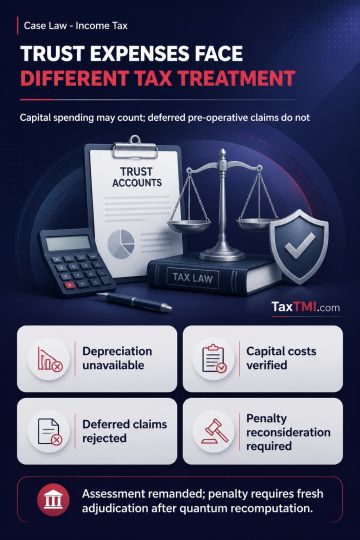
Charitable trust income application permits verified capital expenditure but rejects deferred pre-operative claims and requires reconsideration of con...
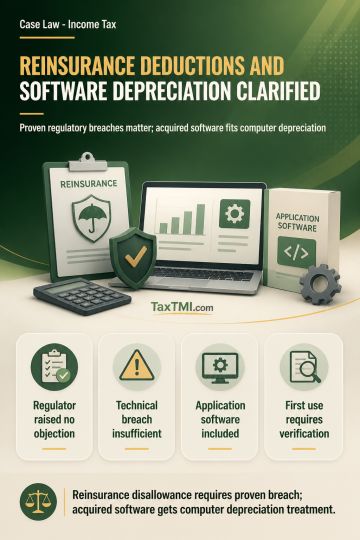
Reinsurance premium deductions require established regulatory breaches, while independently acquired software qualifies within the computer depreciati...
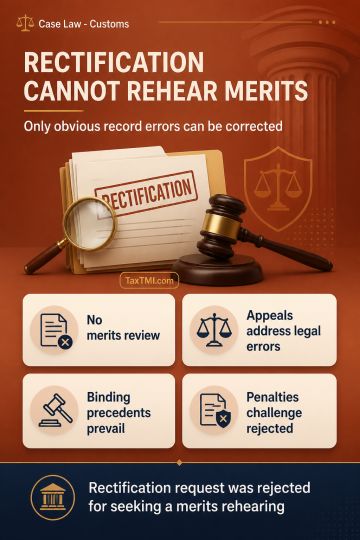
Rectification of mistake remains limited to self-evident record errors, preventing merits review through miscellaneous applications and preserving fin...
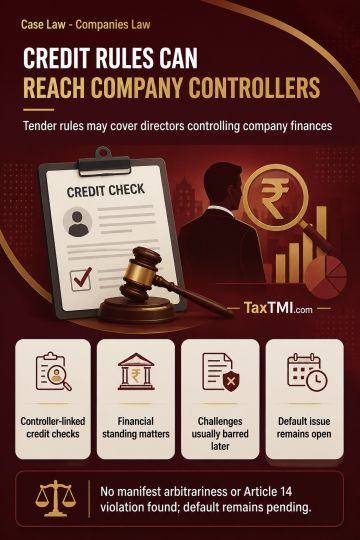
Tender creditworthiness conditions may extend to de facto Promoter Directors, with post-participation challenges generally barred absent arbitrariness...
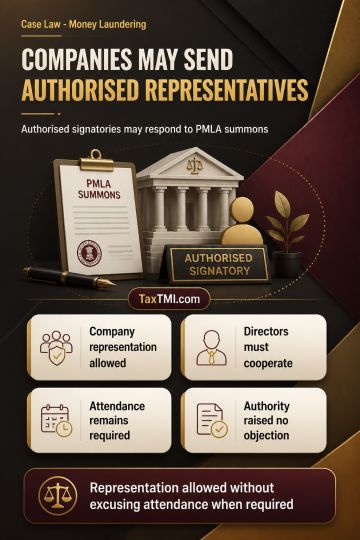
Corporate representation in PMLA summons proceedings permitted through an authorised signatory, subject to directors' continuing cooperation and atten...
The High Court declined to grant interim relief, emphasizing that the amended writ petition raised numerous complex grounds which cannot be adjudicated fully at the interim stage. The Court clarified that a detailed examination of substantive grounds on merits would not be undertaken, and the assessment of contentions, particularly regarding merits, must necessarily be prima facie at this interim stage. Regarding the time limitation under Regulation 3(4) of the IBBI Regulations, the Court held that while the Regulation stipulates a strict time limit for filing a complaint, the critical issue is determining when the cause of action arose. In the present case, the allegations against the Petitioner in the Show Cause Notice dated 2nd April 2024 revolve around improper constitution and functioning of the Committee of Creditors (CoC), raising concerns about procedural irregularities and potential breaches of duty. The Court applied the principle of statutory interpretation u/s 13(2) of the General Clauses Act, 1897, to prima facie interpret the term "whole-time members" in Section 220(1) of the IBC to include a scenario with only one member, ensuring the disciplinary committee's effective operation. Ultimately, the Court found no ground to grant an interim stay on the impugned order and dismissed the present application.
The High Court declined to grant interim relief, emphasizing that the amended writ petition raised numerous complex grounds which cannot be adjudicated fully at the interim stage. The Court clarified that a detailed examination of substantive grounds on merits would not be undertaken, and the assessment of contentions, particularly regarding merits, must necessarily be prima facie at this interim stage. Regarding the time limitation under Regulation 3(4) of the IBBI Regulations, the Court held that while the Regulation stipulates a strict time limit for filing a complaint, the critical issue is determining when the cause of action arose. In the present case, the allegations against the Petitioner in the Show Cause Notice dated 2nd April 2024 revolve around improper constitution and functioning of the Committee of Creditors (CoC), raising concerns about procedural irregularities and potential breaches of duty. The Court applied the principle of statutory interpretation u/s 13(2) of the General Clauses Act, 1897, to prima facie interpret the term "whole-time members" in Section 220(1) of the IBC to include a scenario with only one member, ensuring the disciplinary committee's effective operation. Ultimately, the Court found no ground to grant an interim stay on the impugned order and dismissed the present application.
Note: It is a system-generated summary and is for quick reference only.
 TaxTMI
 of 4805











 Join Channel


 TaxTMI
