Specified regulatory authority income receives conditional tax exemption, subject to non-commercial activity, unchanged income character, and return f...
Tax exemption for regulatory authority income applies retrospectively, subject to non-commercial activity, unchanged income sources, and return-filing...
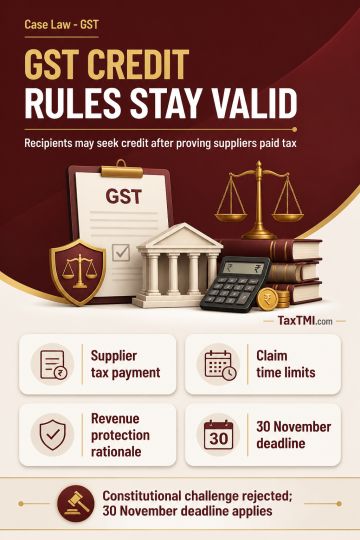
Input tax credit conditions remain constitutionally valid, with eligible recipient claims considered under GST circulars and retrospective filing dead...
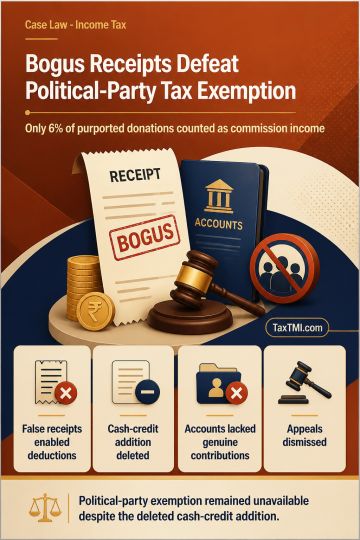
Bogus donation receipts justified commission income assessment and defeated political-party tax exemption for inaccurate accounts and reporting failur...
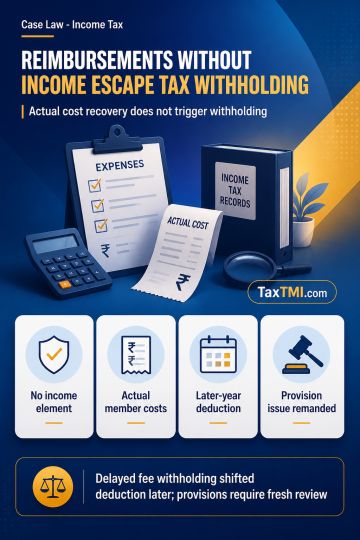
Pure reimbursement without income element escapes tax withholding, while delayed withholding and unsupported provisions face deferred or renewed scrut...
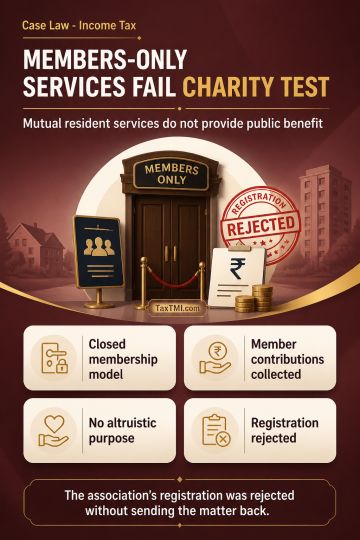
Public benefit requirement defeats charitable registration where residents' association services are reciprocal, member-only facilities governed by mu...
The NCLAT dismissed the appeal challenging the quashing of the e-auction conducted on 31.01.2024 for the sale of the Corporate Debtor as a going concern and the rejection of the appellant's proposed Scheme of Arrangement u/s 230 of the Companies Act, 2013. The Tribunal held that with the enactment of the IBC, the significance of Section 230(1) in addressing insolvency has diminished. The follow-up process u/s 230(1) is necessary only when the Liquidator fails to sustain the Corporate Debtor as a going concern. Regulation 32A mandates the Liquidator to prioritize selling the Corporate Debtor as a going concern to maximize value. Minor discrepancies during the bid process were deemed inconsequential as the Successful Bidder is operating the Corporate Debtor as a going concern, fulfilling the IBC's objective. The appeal lacked merits and was dismissed.
The NCLAT dismissed the appeal challenging the quashing of the e-auction conducted on 31.01.2024 for the sale of the Corporate Debtor as a going concern and the rejection of the appellant's proposed Scheme of Arrangement u/s 230 of the Companies Act, 2013. The Tribunal held that with the enactment of the IBC, the significance of Section 230(1) in addressing insolvency has diminished. The follow-up process u/s 230(1) is necessary only when the Liquidator fails to sustain the Corporate Debtor as a going concern. Regulation 32A mandates the Liquidator to prioritize selling the Corporate Debtor as a going concern to maximize value. Minor discrepancies during the bid process were deemed inconsequential as the Successful Bidder is operating the Corporate Debtor as a going concern, fulfilling the IBC's objective. The appeal lacked merits and was dismissed.
Note: It is a system-generated summary and is for quick reference only.
 TaxTMI
 of 4805







 Join Channel


 TaxTMI