Transaction value cannot be rejected solely on non-statutory valuation guidelines without corroborative evidence supporting reassessment of final cust...
Cross-examination rights and corroborated evidence limit customs penalties for misdeclaration in genuine import transactions involving documented clea...
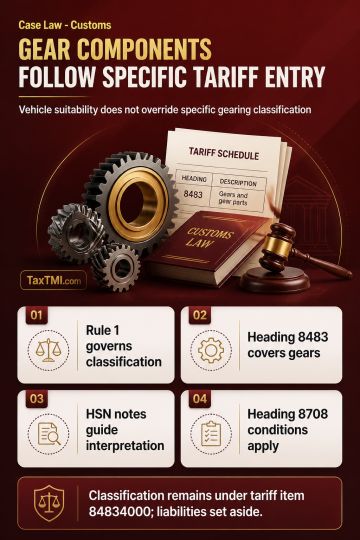
Tariff classification of vehicle gear components follows the specific gearing entry, displacing motor-vehicle parts classification and related liabili...
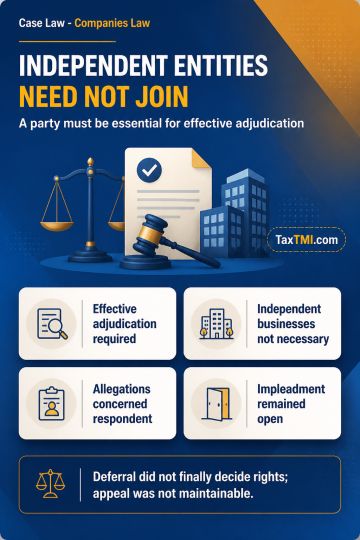
Necessary-party requirements limit impleadment of independent entities, while deferred consideration does not create an appealable adverse determinati...
Food supplement classification requires common parlance and authoritative tests, preventing treatment as proprietary Ayurvedic medicines without suppo...
The NCLAT dismissed the appeal challenging the quashing of the e-auction conducted on 31.01.2024 for the sale of the Corporate Debtor as a going concern and the rejection of the appellant's proposed Scheme of Arrangement u/s 230 of the Companies Act, 2013. The Tribunal held that with the enactment of the IBC, the significance of Section 230(1) in addressing insolvency has diminished. The follow-up process u/s 230(1) is necessary only when the Liquidator fails to sustain the Corporate Debtor as a going concern. Regulation 32A mandates the Liquidator to prioritize selling the Corporate Debtor as a going concern to maximize value. Minor discrepancies during the bid process were deemed inconsequential as the Successful Bidder is operating the Corporate Debtor as a going concern, fulfilling the IBC's objective. The appeal lacked merits and was dismissed.
The NCLAT dismissed the appeal challenging the quashing of the e-auction conducted on 31.01.2024 for the sale of the Corporate Debtor as a going concern and the rejection of the appellant's proposed Scheme of Arrangement u/s 230 of the Companies Act, 2013. The Tribunal held that with the enactment of the IBC, the significance of Section 230(1) in addressing insolvency has diminished. The follow-up process u/s 230(1) is necessary only when the Liquidator fails to sustain the Corporate Debtor as a going concern. Regulation 32A mandates the Liquidator to prioritize selling the Corporate Debtor as a going concern to maximize value. Minor discrepancies during the bid process were deemed inconsequential as the Successful Bidder is operating the Corporate Debtor as a going concern, fulfilling the IBC's objective. The appeal lacked merits and was dismissed.
Note: It is a system-generated summary and is for quick reference only.
 TaxTMI
 of 4805














 Join Channel


 TaxTMI
