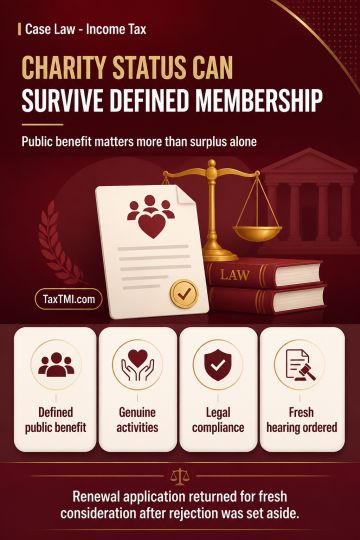
Defined public benefit can retain charitable character; registration renewal requires examining genuine activities and legal compliance, not surplus a...
Capital reduction is distinct from share buy-back, preventing buy-back tax; restructuring interest and related business deductions also survive scruti...
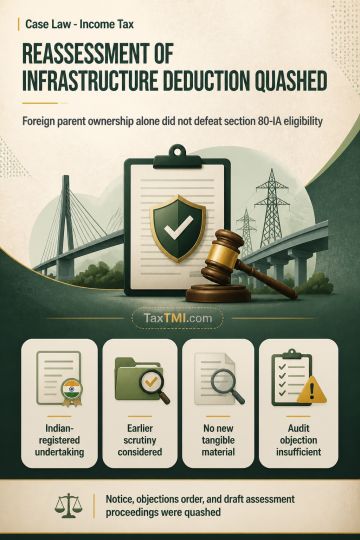
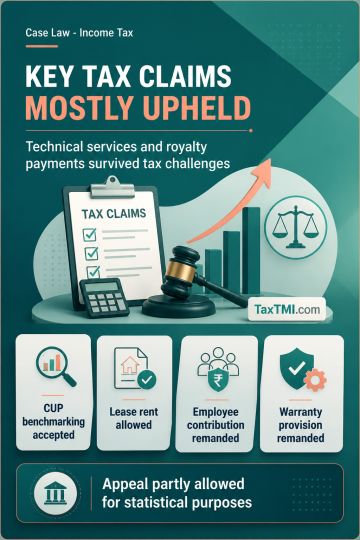
Transfer pricing and tax deductions upheld on established principles, while employee contributions and warranty provisions returned for fresh examinat...
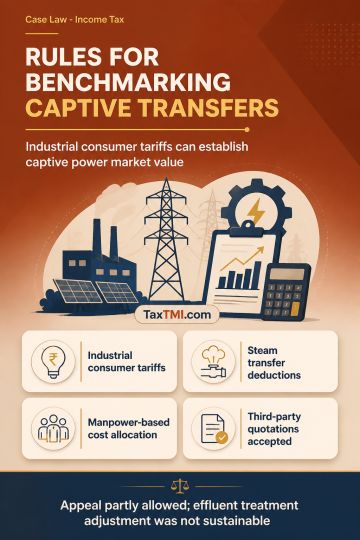
Captive transfer pricing relies on industrial consumer tariffs, while genuine quotations can benchmark effluent treatment transfers under the Other Me...
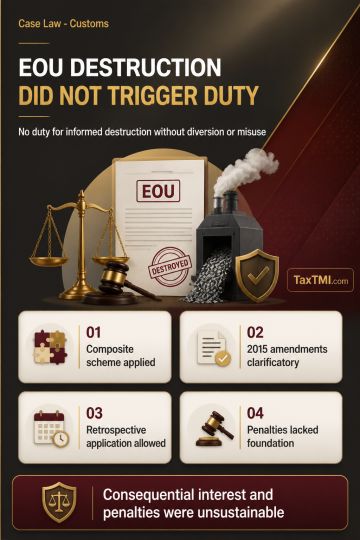
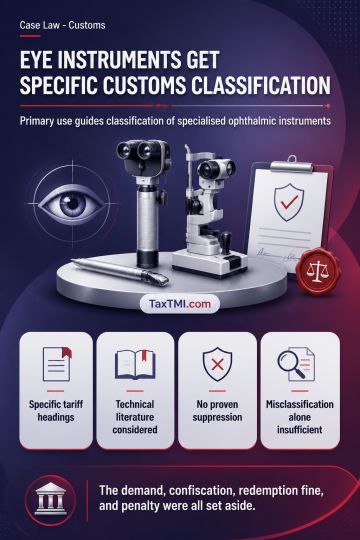
Specific tariff classification for ophthalmic instruments and extended limitation principles determine the treatment of duty demands, confiscation, an...
The appellant challenged the summoning order on the ground that the complaint was not premature, as it was filed within the limitation period of one month from the cause of action u/s 138 of the Negotiable Instruments Act, 1881. The SC held that the cause of action for the complainant arises when there is no payment of the dishonored cheque amount within fifteen days from the receipt of the notice. In this case, the legal notice was received on 01.10.2019, and the reply was given on 16.10.2019 without payment. Therefore, the complaint filed on 23.10.2019 was within the one-month limitation period from 16.10.2019 as per Section 142(1)(b) of the Act. The HC erred in construing the limitation period from the reply date instead of the non-payment date. The SC set aside the HC order and revived the summoning order, allowing the appeal.
The appellant challenged the summoning order on the ground that the complaint was not premature, as it was filed within the limitation period of one month from the cause of action u/s 138 of the Negotiable Instruments Act, 1881. The SC held that the cause of action for the complainant arises when there is no payment of the dishonored cheque amount within fifteen days from the receipt of the notice. In this case, the legal notice was received on 01.10.2019, and the reply was given on 16.10.2019 without payment. Therefore, the complaint filed on 23.10.2019 was within the one-month limitation period from 16.10.2019 as per Section 142(1)(b) of the Act. The HC erred in construing the limitation period from the reply date instead of the non-payment date. The SC set aside the HC order and revived the summoning order, allowing the appeal.
Note: It is a system-generated summary and is for quick reference only.
 TaxTMI
 of 4805









 Join Channel


 TaxTMI