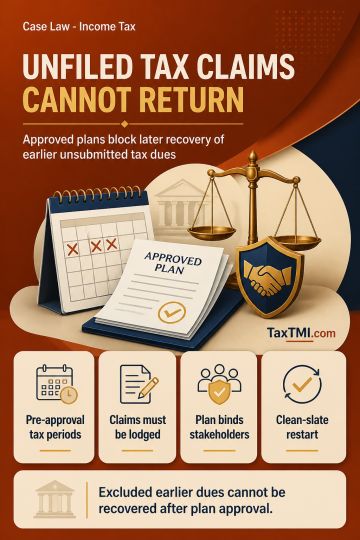
Approved resolution plans extinguish unsubmitted pre-approval tax claims, preventing later recovery outside the insolvency process and preserving a cl...
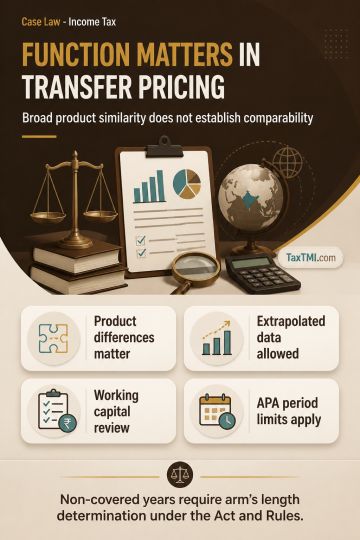
Transfer pricing comparability requires functional alignment and permits working capital adjustment, while APA margins cannot govern non-covered years...
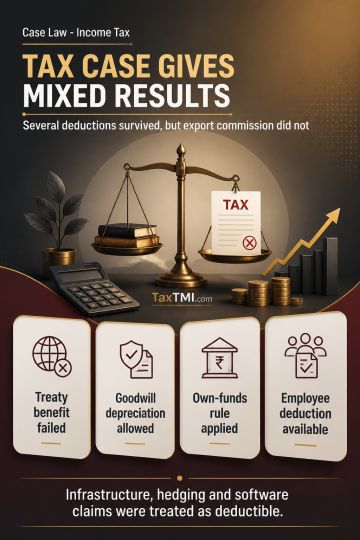
Treaty benefit, goodwill depreciation and hedging costs: export commission disallowed, while key business deductions and depreciation claims succeeded...
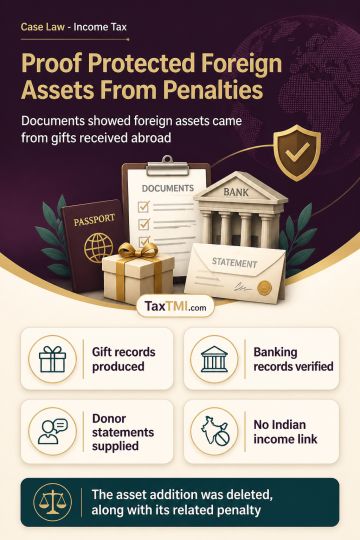
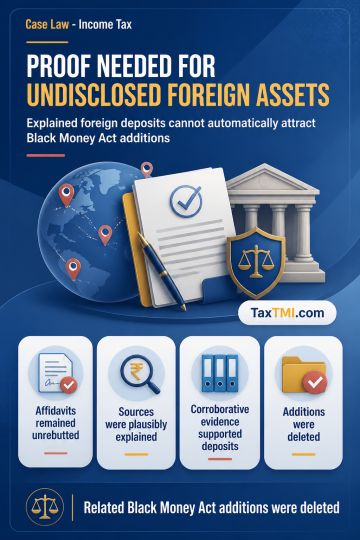
Undisclosed foreign asset classification requires an unexplained source; unrebutted affidavits and corroborative evidence defeated the Black Money Act...
The appellant challenged the summoning order on the ground that the complaint was not premature, as it was filed within the limitation period of one month from the cause of action u/s 138 of the Negotiable Instruments Act, 1881. The SC held that the cause of action for the complainant arises when there is no payment of the dishonored cheque amount within fifteen days from the receipt of the notice. In this case, the legal notice was received on 01.10.2019, and the reply was given on 16.10.2019 without payment. Therefore, the complaint filed on 23.10.2019 was within the one-month limitation period from 16.10.2019 as per Section 142(1)(b) of the Act. The HC erred in construing the limitation period from the reply date instead of the non-payment date. The SC set aside the HC order and revived the summoning order, allowing the appeal.
The appellant challenged the summoning order on the ground that the complaint was not premature, as it was filed within the limitation period of one month from the cause of action u/s 138 of the Negotiable Instruments Act, 1881. The SC held that the cause of action for the complainant arises when there is no payment of the dishonored cheque amount within fifteen days from the receipt of the notice. In this case, the legal notice was received on 01.10.2019, and the reply was given on 16.10.2019 without payment. Therefore, the complaint filed on 23.10.2019 was within the one-month limitation period from 16.10.2019 as per Section 142(1)(b) of the Act. The HC erred in construing the limitation period from the reply date instead of the non-payment date. The SC set aside the HC order and revived the summoning order, allowing the appeal.
Note: It is a system-generated summary and is for quick reference only.
 TaxTMI
 of 4803



 Join Channel


 TaxTMI