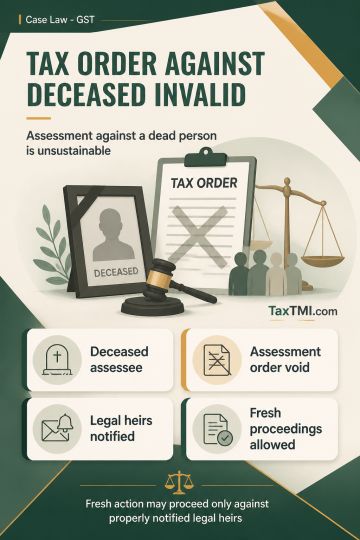
Mutual fund maturity rules require proper rollover, redemption, disclosure, and due diligence; investor gains cannot excuse regulatory breaches or pen...
Threshold exemption excludes exempt services, while stamp-paper purchases avoid reverse charge; consequential service tax penalties were also set asid...
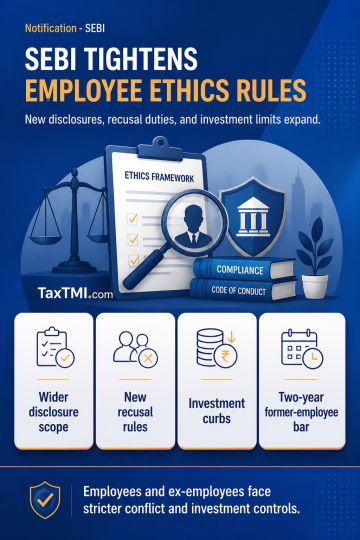
Employee conflict disclosures and investment restrictions expand with new recusal duties, post-employment limits, and compliance reporting requirement...
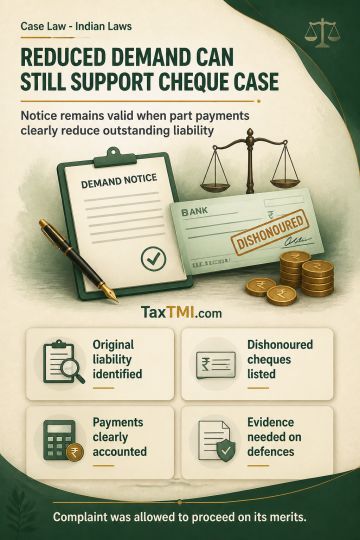
Interpretation of Section 141 of the Negotiable Instruments Act, which deals with vicarious liability for offenses committed by companies u/s 138 (dishonor of cheques). The key points are: Section 141 is a penal provision that must be strictly construed. Liability under this section depends on the role played by the person in the company's affairs, not merely their designation. To attract liability, the person must have been in charge of and responsible for the company's conduct at the time of the offense's commission. Merely being a director or having some association with the company is insufficient. The complaint must specify the accused's role and how they were responsible for the company's conduct. In this case, the petitioner had resigned as director before the relevant events (issuance, dishonor, and notice of dishonor of cheque) occurred. Therefore, the petitioner cannot be held vicariously liable u/s 141 as they were not in charge or responsible for the company's conduct during the commission of the offense.
Interpretation of Section 141 of the Negotiable Instruments Act, which deals with vicarious liability for offenses committed by companies u/s 138 (dishonor of cheques). The key points are: Section 141 is a penal provision that must be strictly construed. Liability under this section depends on the role played by the person in the company's affairs, not merely their designation. To attract liability, the person must have been in charge of and responsible for the company's conduct at the time of the offense's commission. Merely being a director or having some association with the company is insufficient. The complaint must specify the accused's role and how they were responsible for the company's conduct. In this case, the petitioner had resigned as director before the relevant events (issuance, dishonor, and notice of dishonor of cheque) occurred. Therefore, the petitioner cannot be held vicariously liable u/s 141 as they were not in charge or responsible for the company's conduct during the commission of the offense.
Note: It is a system-generated summary and is for quick reference only.
 TaxTMI
 of 4805
















 Join Channel


 TaxTMI