Aggregation under TNMM prevents selective testing of intra-group services without comparable uncontrolled transactions, while appellate additional cla...
Protective assessment cannot duplicate identical receipts under competing characterisations; remote services did not establish a taxable permanent est...
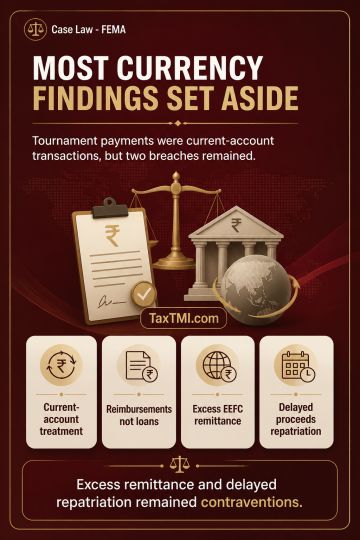
Current account treatment of overseas tournament services removed most FEMA findings, but excess EEFC remittance and delayed repatriation remained bre...
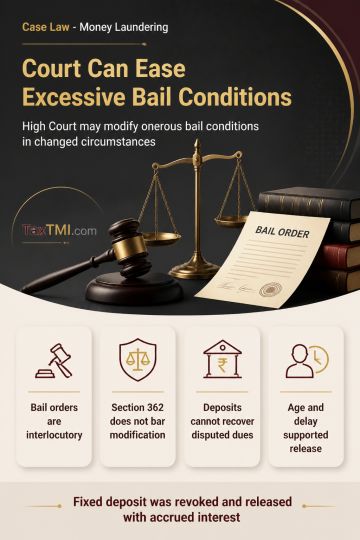
Modification of bail conditions remains available through inherent jurisdiction where onerous deposits undermine justice and cannot recover disputed d...
Merchant banker regulation consolidates registration, governance, capital, reporting, outsourcing and investor-protection requirements under an update...
Disallowing interest expenditure claimed u/s 36(1)(iii) when the assessee firm has interest-free funds and the amount overdrawn by partners. The Tribunal held that since the assessee firm had interest-free funds sufficient to cover the amounts overdrawn by partners, as evident from audited accounts, the disallowance of interest expenditure by the Assessing Officer was unjustified. The Tribunal relied on decisions of the Bombay High Court and its own coordinate Bench, which established that if an assessee has sufficient interest-free funds and advances are made without charging interest, disallowance u/s 36(1)(iii) on such advances for notional interest is not permissible. The Tribunal found no merit in the Revenue's appeal, concluding that the Assessing Officer's adverse inference was a misreading of facts contrary to documented evidence provided by the assessee.
Disallowing interest expenditure claimed u/s 36(1)(iii) when the assessee firm has interest-free funds and the amount overdrawn by partners. The Tribunal held that since the assessee firm had interest-free funds sufficient to cover the amounts overdrawn by partners, as evident from audited accounts, the disallowance of interest expenditure by the Assessing Officer was unjustified. The Tribunal relied on decisions of the Bombay High Court and its own coordinate Bench, which established that if an assessee has sufficient interest-free funds and advances are made without charging interest, disallowance u/s 36(1)(iii) on such advances for notional interest is not permissible. The Tribunal found no merit in the Revenue's appeal, concluding that the Assessing Officer's adverse inference was a misreading of facts contrary to documented evidence provided by the assessee.
Note: It is a system-generated summary and is for quick reference only.
 TaxTMI
 of 4786

















 Join Channel


 TaxTMI