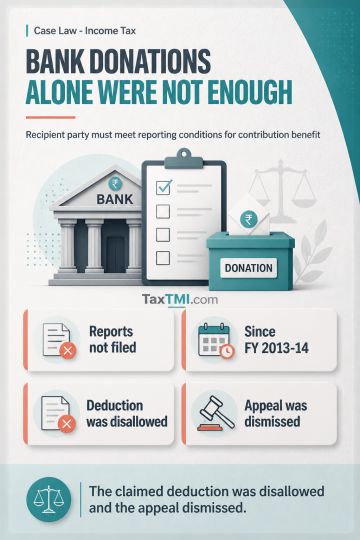
Political contribution deductions require recipient party compliance with contribution-reporting conditions; banking-channel donations alone do not qu...
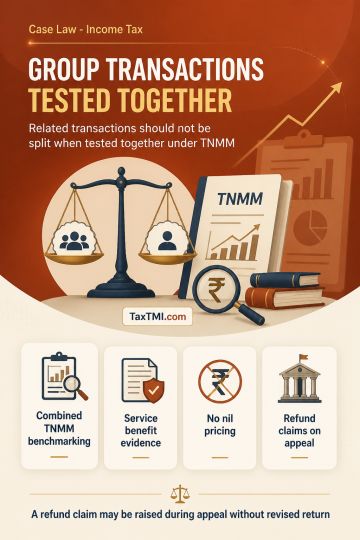
Aggregation under TNMM prevents selective testing of intra-group services without comparable uncontrolled transactions, while appellate additional cla...
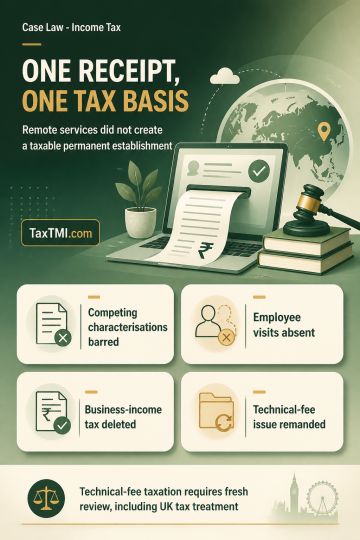
Protective assessment cannot duplicate identical receipts under competing characterisations; remote services did not establish a taxable permanent est...
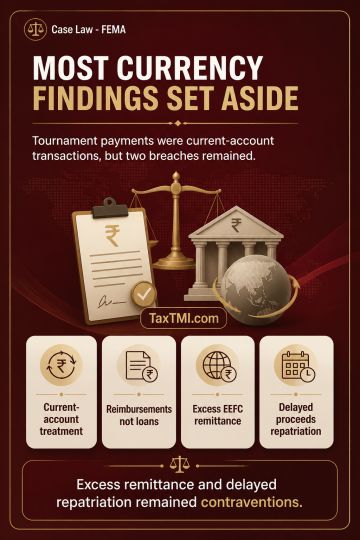
Current account treatment of overseas tournament services removed most FEMA findings, but excess EEFC remittance and delayed repatriation remained bre...
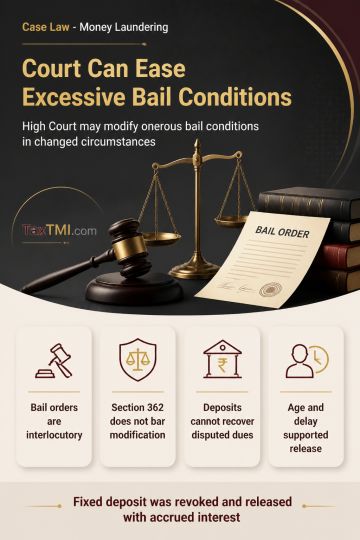
Modification of bail conditions remains available through inherent jurisdiction where onerous deposits undermine justice and cannot recover disputed d...
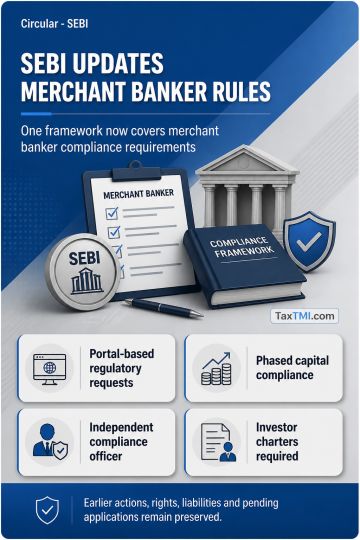
Merchant banker regulation consolidates registration, governance, capital, reporting, outsourcing and investor-protection requirements under an update...
The Customs Broker's license revocation was challenged for facilitating exports by allegedly non-existent exporters. The DGFT had issued IEC and GST registration was valid for the entity. The CESTAT referred to Section 79 of the Indian Evidence Act, presuming genuineness of government-certified documents. The respondent relied on IEC, GSTIN, rent agreement, and electricity bill furnished by the exporter, which were genuine. The CoC faulted the respondent for accepting expired rent agreement and old electricity bill. The CESTAT observed that continuous surveillance at exporter's address is unnecessary; KYC documents are required at onboarding and periodic verification. The rent agreement and electricity bill could not be considered stale or disbelieved. The order setting aside the revocation order cannot be faulted.
The Customs Broker's license revocation was challenged for facilitating exports by allegedly non-existent exporters. The DGFT had issued IEC and GST registration was valid for the entity. The CESTAT referred to Section 79 of the Indian Evidence Act, presuming genuineness of government-certified documents. The respondent relied on IEC, GSTIN, rent agreement, and electricity bill furnished by the exporter, which were genuine. The CoC faulted the respondent for accepting expired rent agreement and old electricity bill. The CESTAT observed that continuous surveillance at exporter's address is unnecessary; KYC documents are required at onboarding and periodic verification. The rent agreement and electricity bill could not be considered stale or disbelieved. The order setting aside the revocation order cannot be faulted.
Note: It is a system-generated summary and is for quick reference only.
 TaxTMI
 of 4782








 Join Channel


 TaxTMI