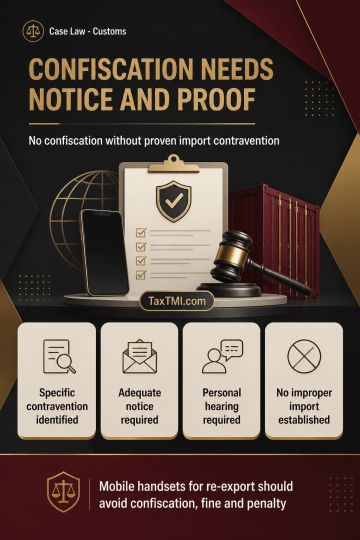
Arrest safeguards require disclosed grounds, relative intimation and transit remand, while duplicate prosecution under the CGST framework is unsustain...
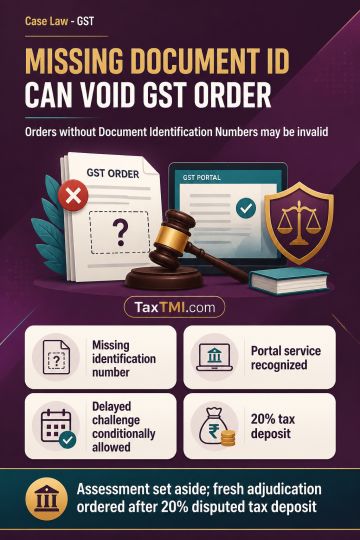
Document Identification Number defects can invalidate GST assessments, with delayed challenges entertained conditionally where patent irregularities e...
Windmill commissioning evidence supported higher depreciation where grid connection and electricity generation proved operational use before the relev...
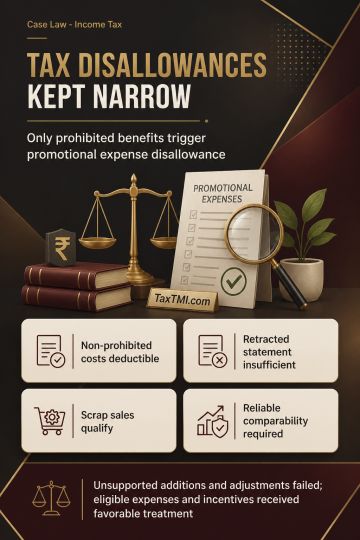
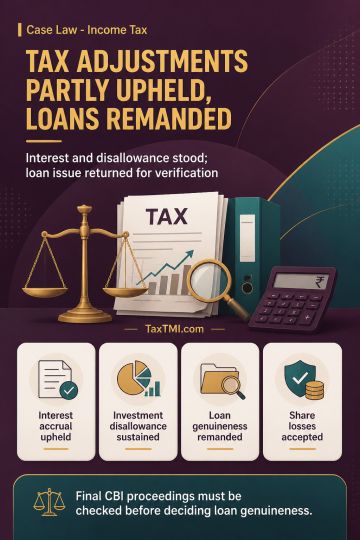
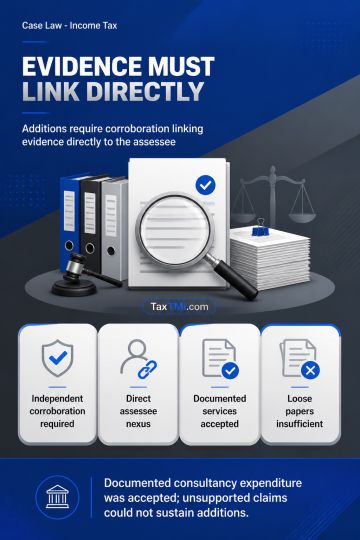
Pharmaceutical promotion and transfer-pricing comparability principles limited disallowances, while uncorroborated search allegations and unsupported ...
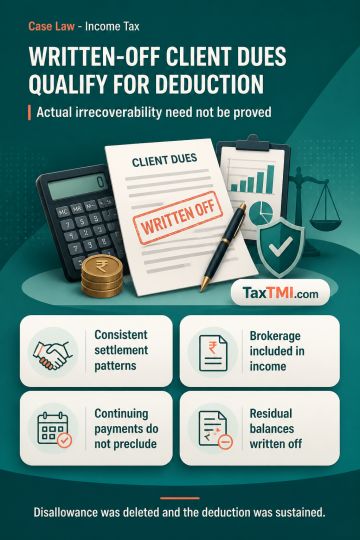
Business expenditure substantiation supports scrap credits, statutory payments and expense claims, while depreciation requires proof of actual busines...
The case pertains to the refund of tax paid by the petitioner under the 'Inverted Duty Structure' in the Goods and Services Tax (GST) regime. The petitioner filed an application for refund on 12.04.2023, beyond the limitation period, claiming a refund of Integrated Goods and Services Tax (IGST) paid. The High Court held that when the amounts in the credit ledger were set off against the demand, their character changed to that of tax recovered by the department. An appeal against the demand raised by the Assessing Officer was allowed on 20.02.2022, and the order was communicated on 15.08.2022. The second Explanation to Section 54 of the GST Act states that when tax becomes refundable due to an order of the Appellate Authority, the relevant date is the date of communication of such order, which in this case was 15.08.2022. The petitioner's online application could not be uploaded due to a technical glitch, and the Government contended that the 'Inverted Duty Structure' refund is possible only for two years. The High Court allowed the petition.
The case pertains to the refund of tax paid by the petitioner under the 'Inverted Duty Structure' in the Goods and Services Tax (GST) regime. The petitioner filed an application for refund on 12.04.2023, beyond the limitation period, claiming a refund of Integrated Goods and Services Tax (IGST) paid. The High Court held that when the amounts in the credit ledger were set off against the demand, their character changed to that of tax recovered by the department. An appeal against the demand raised by the Assessing Officer was allowed on 20.02.2022, and the order was communicated on 15.08.2022. The second Explanation to Section 54 of the GST Act states that when tax becomes refundable due to an order of the Appellate Authority, the relevant date is the date of communication of such order, which in this case was 15.08.2022. The petitioner's online application could not be uploaded due to a technical glitch, and the Government contended that the 'Inverted Duty Structure' refund is possible only for two years. The High Court allowed the petition.
Note: It is a system-generated summary and is for quick reference only.
 TaxTMI
 of 4788














 Join Channel


 TaxTMI