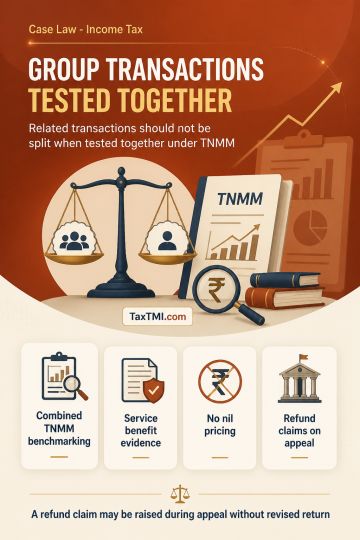
Aggregation under TNMM prevents selective testing of intra-group services without comparable uncontrolled transactions, while appellate additional cla...
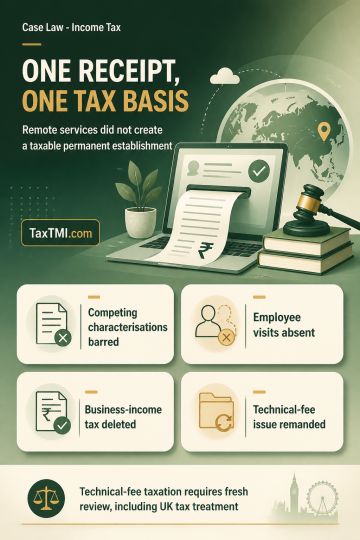
Protective assessment cannot duplicate identical receipts under competing characterisations; remote services did not establish a taxable permanent est...
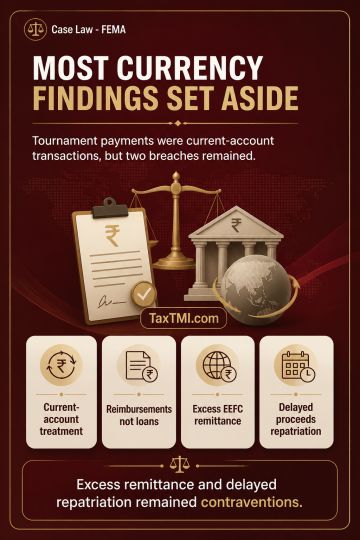
Current account treatment of overseas tournament services removed most FEMA findings, but excess EEFC remittance and delayed repatriation remained bre...
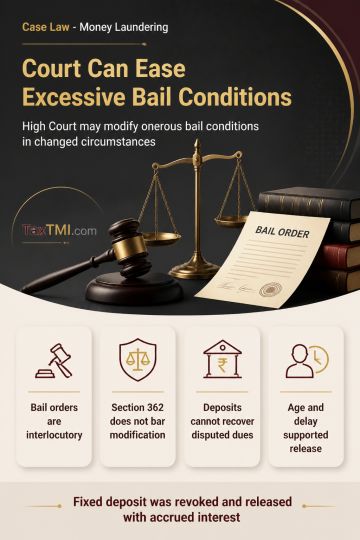
Modification of bail conditions remains available through inherent jurisdiction where onerous deposits undermine justice and cannot recover disputed d...
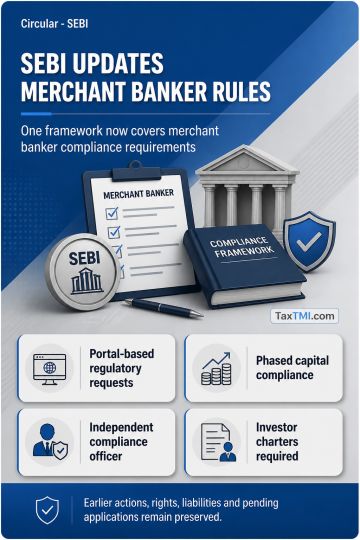
Merchant banker regulation consolidates registration, governance, capital, reporting, outsourcing and investor-protection requirements under an update...
The case pertains to the refund of tax paid by the petitioner under the 'Inverted Duty Structure' in the Goods and Services Tax (GST) regime. The petitioner filed an application for refund on 12.04.2023, beyond the limitation period, claiming a refund of Integrated Goods and Services Tax (IGST) paid. The High Court held that when the amounts in the credit ledger were set off against the demand, their character changed to that of tax recovered by the department. An appeal against the demand raised by the Assessing Officer was allowed on 20.02.2022, and the order was communicated on 15.08.2022. The second Explanation to Section 54 of the GST Act states that when tax becomes refundable due to an order of the Appellate Authority, the relevant date is the date of communication of such order, which in this case was 15.08.2022. The petitioner's online application could not be uploaded due to a technical glitch, and the Government contended that the 'Inverted Duty Structure' refund is possible only for two years. The High Court allowed the petition.
The case pertains to the refund of tax paid by the petitioner under the 'Inverted Duty Structure' in the Goods and Services Tax (GST) regime. The petitioner filed an application for refund on 12.04.2023, beyond the limitation period, claiming a refund of Integrated Goods and Services Tax (IGST) paid. The High Court held that when the amounts in the credit ledger were set off against the demand, their character changed to that of tax recovered by the department. An appeal against the demand raised by the Assessing Officer was allowed on 20.02.2022, and the order was communicated on 15.08.2022. The second Explanation to Section 54 of the GST Act states that when tax becomes refundable due to an order of the Appellate Authority, the relevant date is the date of communication of such order, which in this case was 15.08.2022. The petitioner's online application could not be uploaded due to a technical glitch, and the Government contended that the 'Inverted Duty Structure' refund is possible only for two years. The High Court allowed the petition.
Note: It is a system-generated summary and is for quick reference only.
 TaxTMI
 of 4786







 Join Channel


 TaxTMI