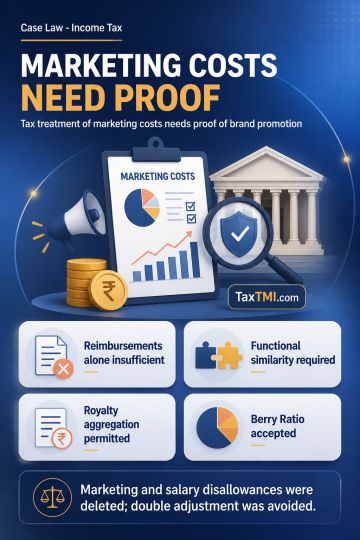
Transfer pricing requires evidence for AMP transactions, functionally reliable comparables, and appropriate aggregation or Berry Ratio benchmarking me...
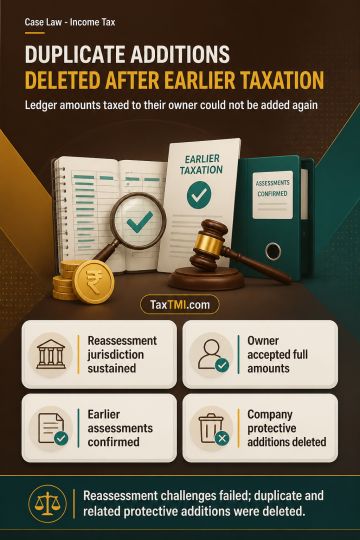
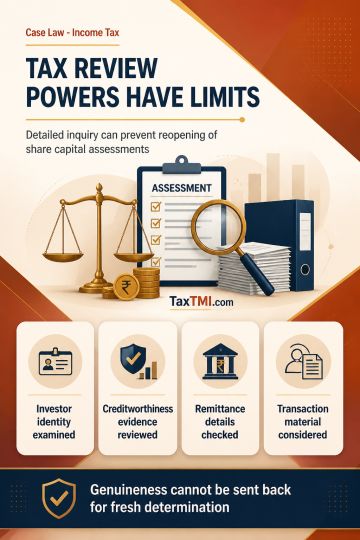
Revisionary jurisdiction cannot reopen share capital assessments where adequate inquiry supports a permissible view and no independent error is establ...
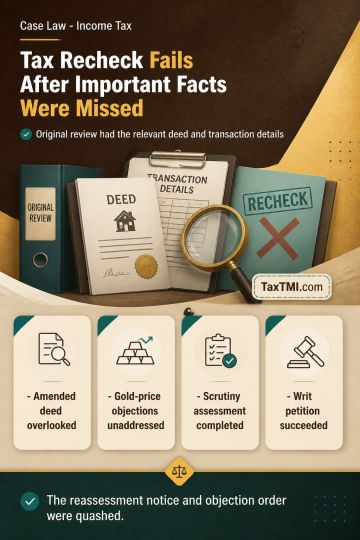
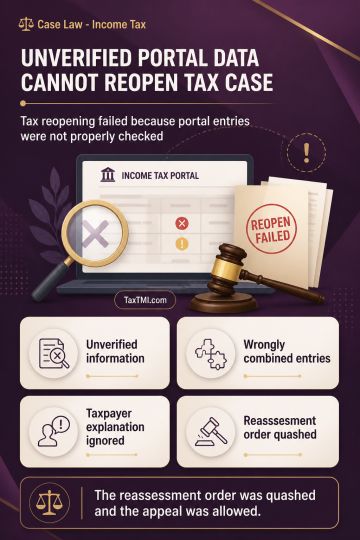
Reassessment jurisdiction fails where unverified portal information is aggregated without examining the taxpayer's explanation or relevance of entries...
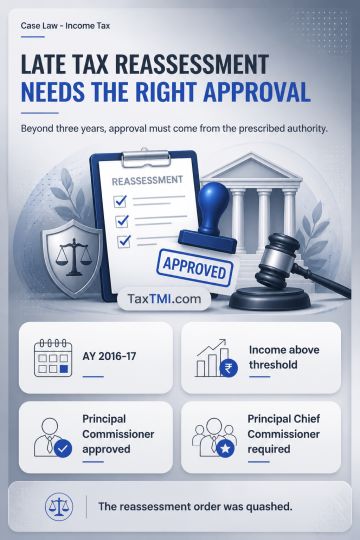
Statutory sanction for delayed reassessment requires approval from the prescribed authority; approval by an inferior authority invalidates jurisdictio...
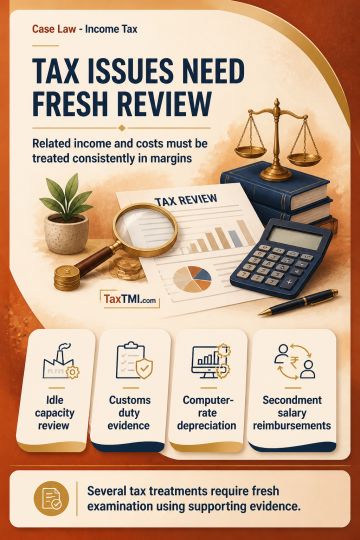
Transfer pricing margin adjustments require matching treatment of non-operating income and related costs, with comparability issues reconsidered on ev...
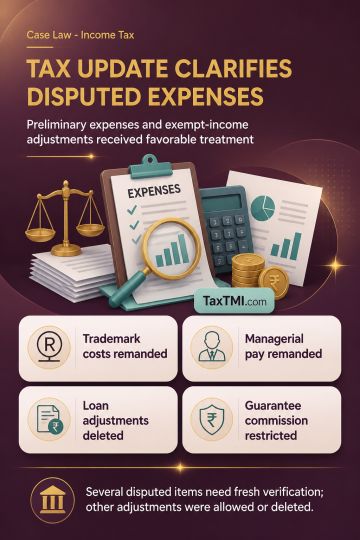
Preliminary-expense amortisation and MAT exempt-income adjustments prevailed, while trademark costs and managerial remuneration require fresh verifica...
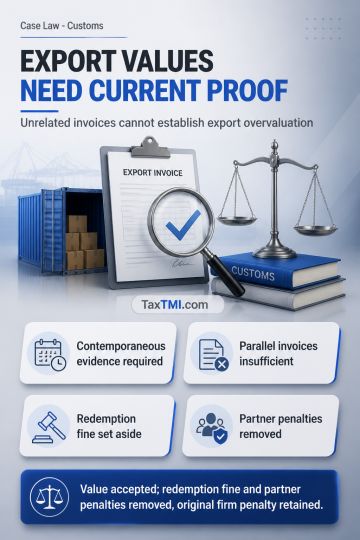
Export valuation requires contemporaneous evidence; unrelated invoices cannot prove overvaluation, and dual penalties on firm and partner are impermis...
This is a case concerning the disallowance of certain expenses termed as "route expenses" by the Assessing Officer (AO) due to lack of proper supporting vouchers. The key points are: The assessee made a surrender of Rs. 13 crores for all the years covered under search action. The Revenue cannot shift the burden on the assessee to prove the genuineness of expenses when nothing contrary was found during the search operations. The AO did not doubt the genuineness or allowability of expenses but harped upon the production of drivers, ignoring the search findings. Statements recorded u/s 132(4) and 131(1) have no evidentiary value and cannot be termed incriminating material, as per recent court rulings. Merely because drivers were unavailable during assessment, no addition is permissible without corroborating material proving the expenses were bogus, not business-related, or invoices were fake. The CIT(A)'s sustaining 60% of the hypothetical surrender is not tenable in law. All additions sustained by the CIT(A) are deleted. The assessee's appeals are allowed.
This is a case concerning the disallowance of certain expenses termed as "route expenses" by the Assessing Officer (AO) due to lack of proper supporting vouchers. The key points are: The assessee made a surrender of Rs. 13 crores for all the years covered under search action. The Revenue cannot shift the burden on the assessee to prove the genuineness of expenses when nothing contrary was found during the search operations. The AO did not doubt the genuineness or allowability of expenses but harped upon the production of drivers, ignoring the search findings. Statements recorded u/s 132(4) and 131(1) have no evidentiary value and cannot be termed incriminating material, as per recent court rulings. Merely because drivers were unavailable during assessment, no addition is permissible without corroborating material proving the expenses were bogus, not business-related, or invoices were fake. The CIT(A)'s sustaining 60% of the hypothetical surrender is not tenable in law. All additions sustained by the CIT(A) are deleted. The assessee's appeals are allowed.
Note: It is a system-generated summary and is for quick reference only.
 TaxTMI
 of 4801








 Join Channel


 TaxTMI
