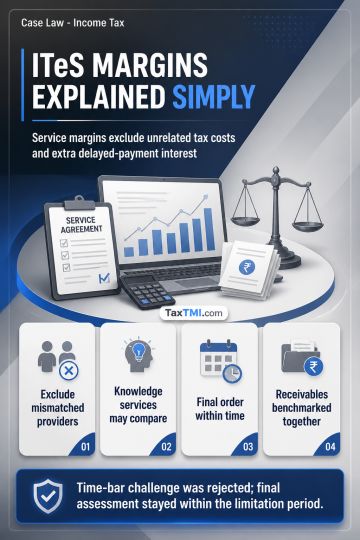
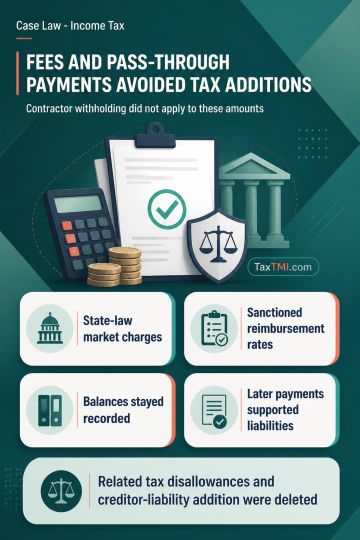
Transfer-pricing treatment of ITeS margins excludes pass-through tax recoveries and separate delayed-receivables interest after working-capital adjust...
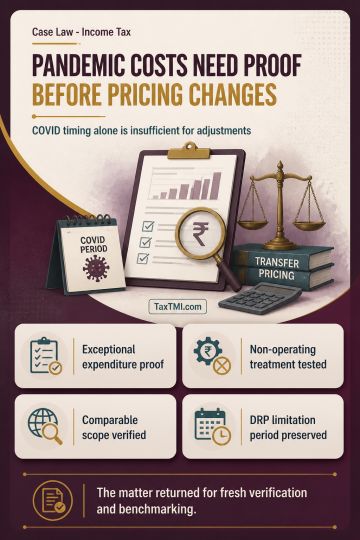
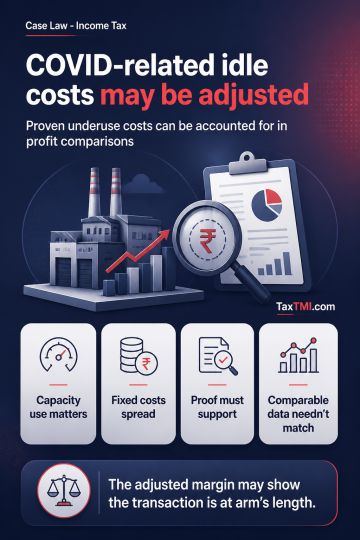
Capacity-utilisation adjustments under TNMM can neutralise substantiated COVID-related idle costs where underutilisation materially affects profitabil...
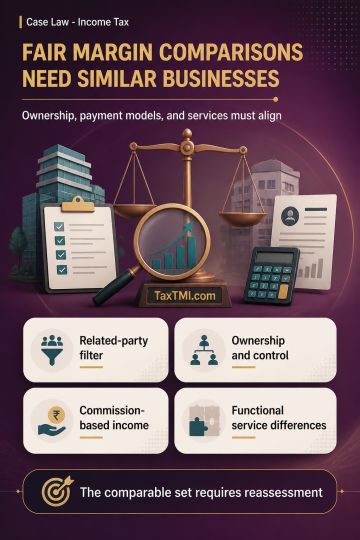
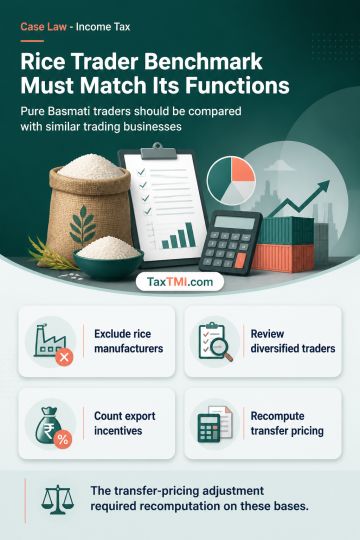
TNMM functional comparability requires excluding rice manufacturers from a pure Basmati rice trader's benchmark and recognising operating export recei...
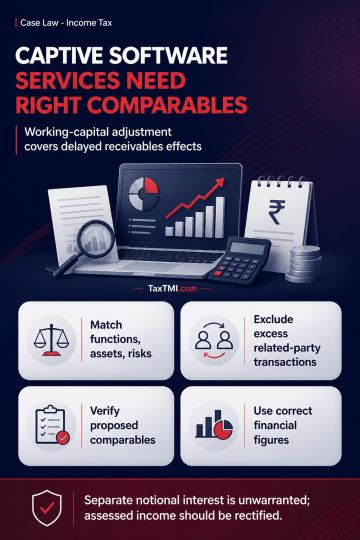
Working-capital adjustment subsumes delayed-receivable effects in TNMM benchmarking of captive software-development services, avoiding separate notion...
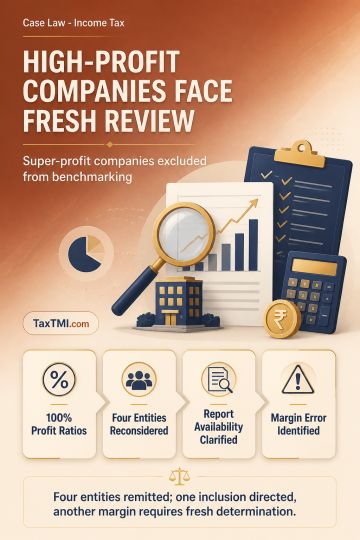
Transfer-pricing comparability requires exclusion of financially illogical super-profit comparables and correction of unsupported annual-report and ma...
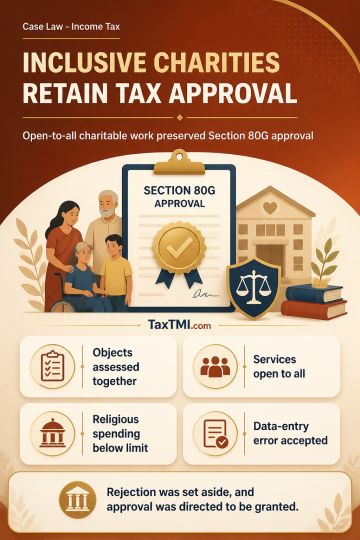
Charitable character assessment preserves Section 80G approval despite inclusive spiritual teachings and incidental religious expenditure within the s...
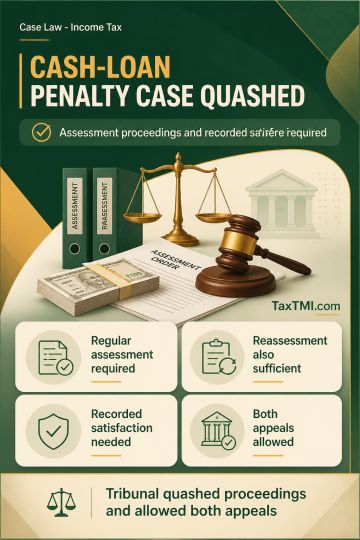
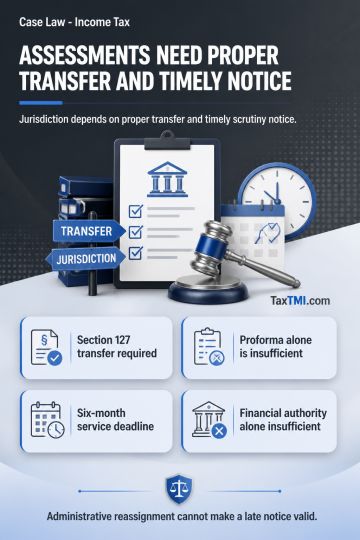
Penalty proceedings for cash-loan acceptance require assessment proceedings and recorded Assessing Officer satisfaction; absent these, the proceedings...
Page of 4828
Press 'Enter' after typing page number.
161 to 180 of 96556 Results
❮
❯
❯❯
0 / 200
Expand Note
Add to Folder
No Folders have been created
+
Are you sure you want to delete "My most important" ?
The assessee, a non-resident corporate entity incorporated in Austria, earned income from the sale of software licenses. The Assessing Officer (AO) computed the profit at 15% and taxed it at 40%, alleging that the assessee was not the economic owner of the IPs as most were registered outside Austria, primarily in the USA, and the assessee did not incur expenditure for developing the IPs. However, the Tribunal held that the assessee had substantial revenue from operations in different jurisdictions, including Austria, filed tax returns and was assessed by Austrian Revenue Authorities. The receipts from software license sales in India formed a small part of the total revenue. The allegation of treaty shopping was without credible reasoning. The revenue from software license sales could not be taxed as royalty income in India per judicial precedents. The assessee's tax residency and genuineness could not be doubted in the absence of evidence of fraud or illegal activity, especially when other jurisdictions did not raise such doubts. The BEPS Action Plan cannot influence judicial decision-making without evidence of the assessee lacking commercial or economic substance. Merely registering IPs in different jurisdictions does not divest the assessee's ownership rights. No evidence showed the revenue was repatriated to related parties. Thus, the assessee is entitled to India-Austria DTAA benefits, and the receipts cannot be taxed in.
The assessee, a non-resident corporate entity incorporated in Austria, earned income from the sale of software licenses. The Assessing Officer (AO) computed the profit at 15% and taxed it at 40%, alleging that the assessee was not the economic owner of the IPs as most were registered outside Austria, primarily in the USA, and the assessee did not incur expenditure for developing the IPs. However, the Tribunal held that the assessee had substantial revenue from operations in different jurisdictions, including Austria, filed tax returns and was assessed by Austrian Revenue Authorities. The receipts from software license sales in India formed a small part of the total revenue. The allegation of treaty shopping was without credible reasoning. The revenue from software license sales could not be taxed as royalty income in India per judicial precedents. The assessee's tax residency and genuineness could not be doubted in the absence of evidence of fraud or illegal activity, especially when other jurisdictions did not raise such doubts. The BEPS Action Plan cannot influence judicial decision-making without evidence of the assessee lacking commercial or economic substance. Merely registering IPs in different jurisdictions does not divest the assessee's ownership rights. No evidence showed the revenue was repatriated to related parties. Thus, the assessee is entitled to India-Austria DTAA benefits, and the receipts cannot be taxed in.
Note: It is a system-generated summary and is for quick reference only.
 TaxTMI
  TaxTMI
 of 4828



 Join Channel