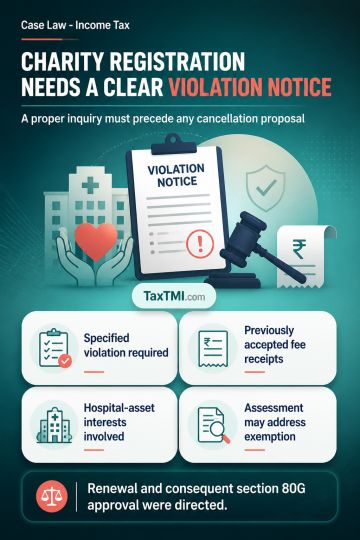
Charitable trust registration requires a specified-violation notice; settled cash deposits and related-party payments did not justify cancellation or ...
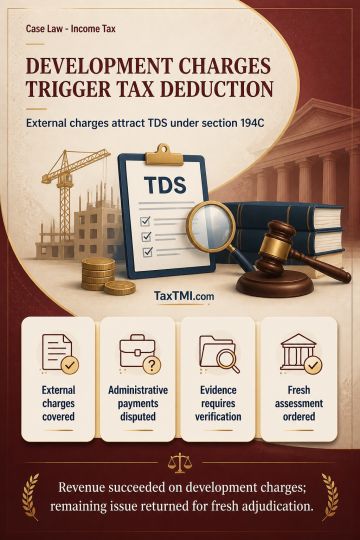
External development charges trigger TDS under section 194C, while disputed administrative payments require factual verification and fresh adjudicatio...
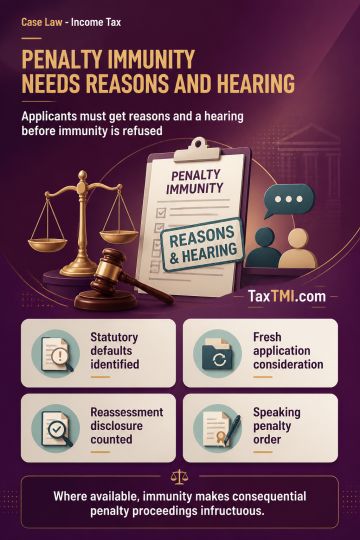
Section 270AA penalty immunity requires identified statutory defaults and a hearing before rejection; reassessment disclosure may constitute under-rep...
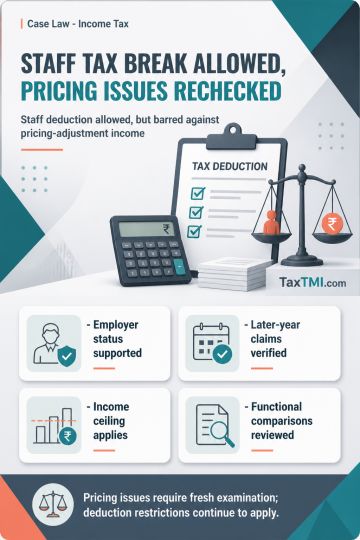
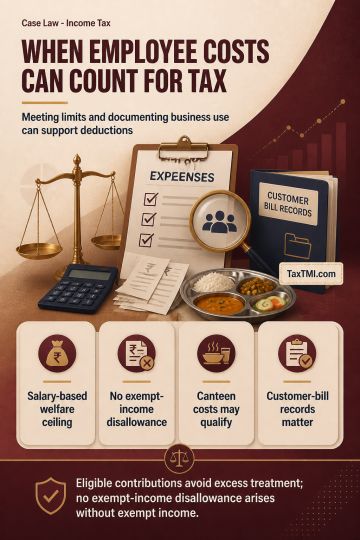
Section 80JJAA employee-cost deduction allowed for deployed staff but barred against transfer-pricing income enhancement, with pricing issues remanded...
Transfer-pricing methodology protects commercially genuine associated-enterprise payments, while pre-2016 secondary adjustments and related notional i...
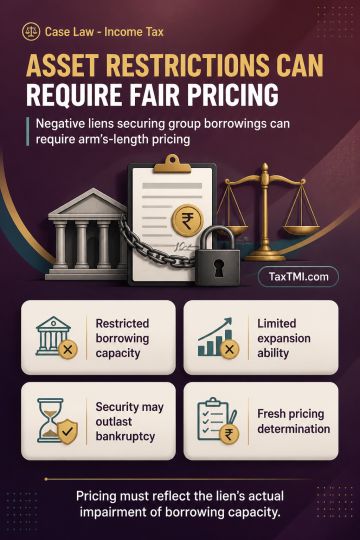
Negative liens over operating assets can constitute international transactions requiring arm's-length pricing reflecting restricted borrowing and expa...
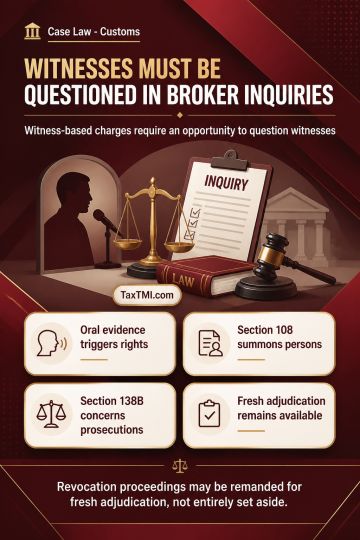
Cross-examination rights in Customs Broker revocation inquiries require witness examination; procedural denial may be cured through fresh adjudication...
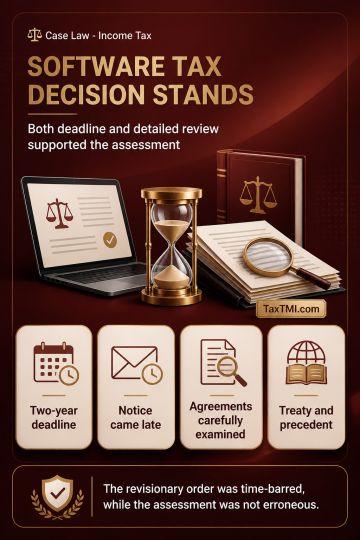
The assessee, a non-resident corporate entity incorporated in Austria, earned income from the sale of software licenses. The Assessing Officer (AO) computed the profit at 15% and taxed it at 40%, alleging that the assessee was not the economic owner of the IPs as most were registered outside Austria, primarily in the USA, and the assessee did not incur expenditure for developing the IPs. However, the Tribunal held that the assessee had substantial revenue from operations in different jurisdictions, including Austria, filed tax returns and was assessed by Austrian Revenue Authorities. The receipts from software license sales in India formed a small part of the total revenue. The allegation of treaty shopping was without credible reasoning. The revenue from software license sales could not be taxed as royalty income in India per judicial precedents. The assessee's tax residency and genuineness could not be doubted in the absence of evidence of fraud or illegal activity, especially when other jurisdictions did not raise such doubts. The BEPS Action Plan cannot influence judicial decision-making without evidence of the assessee lacking commercial or economic substance. Merely registering IPs in different jurisdictions does not divest the assessee's ownership rights. No evidence showed the revenue was repatriated to related parties. Thus, the assessee is entitled to India-Austria DTAA benefits, and the receipts cannot be taxed in.
The assessee, a non-resident corporate entity incorporated in Austria, earned income from the sale of software licenses. The Assessing Officer (AO) computed the profit at 15% and taxed it at 40%, alleging that the assessee was not the economic owner of the IPs as most were registered outside Austria, primarily in the USA, and the assessee did not incur expenditure for developing the IPs. However, the Tribunal held that the assessee had substantial revenue from operations in different jurisdictions, including Austria, filed tax returns and was assessed by Austrian Revenue Authorities. The receipts from software license sales in India formed a small part of the total revenue. The allegation of treaty shopping was without credible reasoning. The revenue from software license sales could not be taxed as royalty income in India per judicial precedents. The assessee's tax residency and genuineness could not be doubted in the absence of evidence of fraud or illegal activity, especially when other jurisdictions did not raise such doubts. The BEPS Action Plan cannot influence judicial decision-making without evidence of the assessee lacking commercial or economic substance. Merely registering IPs in different jurisdictions does not divest the assessee's ownership rights. No evidence showed the revenue was repatriated to related parties. Thus, the assessee is entitled to India-Austria DTAA benefits, and the receipts cannot be taxed in.
Note: It is a system-generated summary and is for quick reference only.
 TaxTMI
  TaxTMI
 of 4828










 Join Channel


