Defined public benefit can retain charitable character; registration renewal requires examining genuine activities and legal compliance, not surplus a...
Capital reduction is distinct from share buy-back, preventing buy-back tax; restructuring interest and related business deductions also survive scruti...
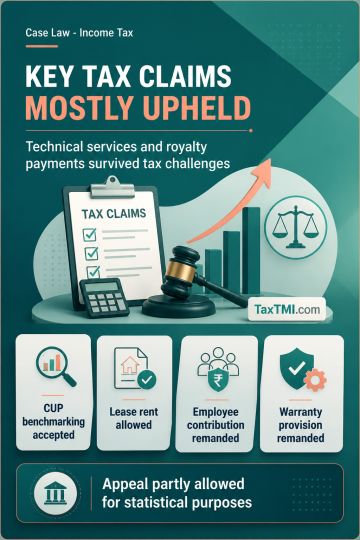
Transfer pricing and tax deductions upheld on established principles, while employee contributions and warranty provisions returned for fresh examinat...
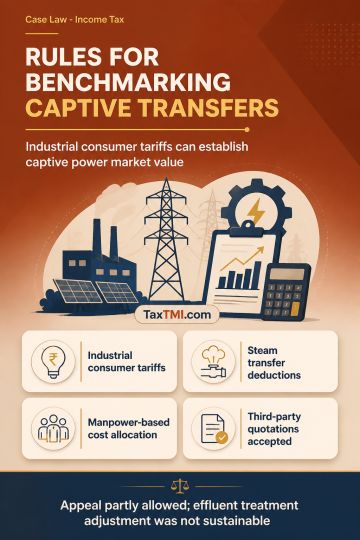
Captive transfer pricing relies on industrial consumer tariffs, while genuine quotations can benchmark effluent treatment transfers under the Other Me...
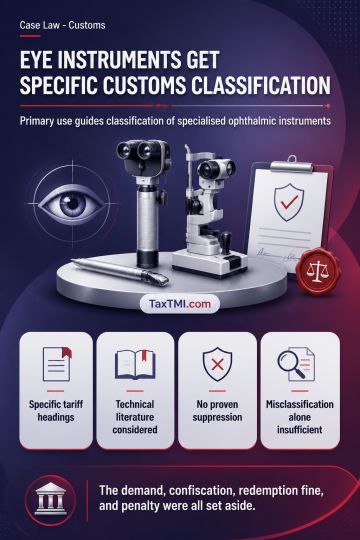
Specific tariff classification for ophthalmic instruments and extended limitation principles determine the treatment of duty demands, confiscation, an...
The High Court held that Section 17(2) of the CGST Act is not ultra vires Article 14 of the Constitution to the extent it restricts refund under the inverted duty structure. The petitioner does not have a vested right to claim refund of accumulated Input Tax Credit on goods and services due to the inverted duty structure under the first proviso to Section 54(3) of the CGST Act. The restrictions imposed on the petitioner on availing credits used for exempted services u/s 17(2) and claiming refund of taxes on inputs and input services under the first proviso to Section 54(3) are valid. The right to avail Input Tax Credit and the benefit of taxes paid on inputs and input services does not extend to exempted supplies. The petitioner, providing education services, falls under the category of fully exempt supply and is not entitled to Input Tax Credit refund. The legislature has rightly excluded supplies with Nil or exempted rate from the refund provision for the inverted rate structure u/s 54(3). As there is no constitutional or statutory entitlement to refund, the petitioner's claim for refund of ITC on exempt output services cannot be accepted. Consequently, the High Court dismissed the petition.
The High Court held that Section 17(2) of the CGST Act is not ultra vires Article 14 of the Constitution to the extent it restricts refund under the inverted duty structure. The petitioner does not have a vested right to claim refund of accumulated Input Tax Credit on goods and services due to the inverted duty structure under the first proviso to Section 54(3) of the CGST Act. The restrictions imposed on the petitioner on availing credits used for exempted services u/s 17(2) and claiming refund of taxes on inputs and input services under the first proviso to Section 54(3) are valid. The right to avail Input Tax Credit and the benefit of taxes paid on inputs and input services does not extend to exempted supplies. The petitioner, providing education services, falls under the category of fully exempt supply and is not entitled to Input Tax Credit refund. The legislature has rightly excluded supplies with Nil or exempted rate from the refund provision for the inverted rate structure u/s 54(3). As there is no constitutional or statutory entitlement to refund, the petitioner's claim for refund of ITC on exempt output services cannot be accepted. Consequently, the High Court dismissed the petition.
Note: It is a system-generated summary and is for quick reference only.
 TaxTMI
 of 4805











 Join Channel


 TaxTMI