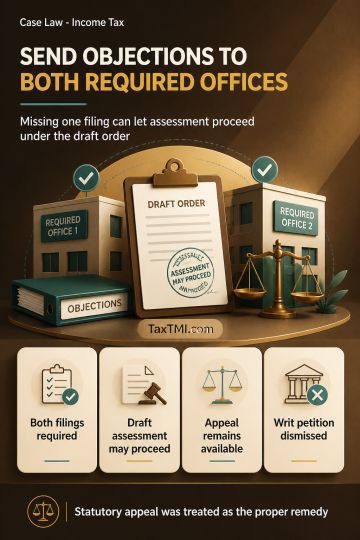
Dispute Resolution Panel objections must reach both prescribed forums; otherwise assessment may proceed and statutory appeal remains the proper remedy...
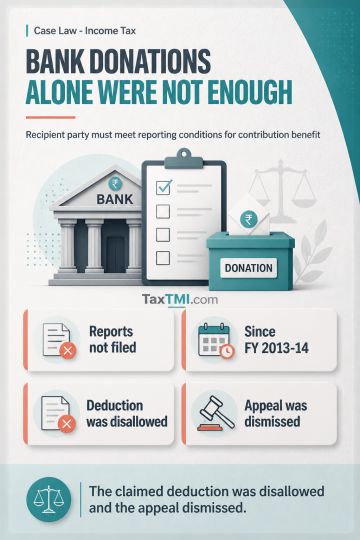
Political contribution deductions require recipient party compliance with contribution-reporting conditions; banking-channel donations alone do not qu...
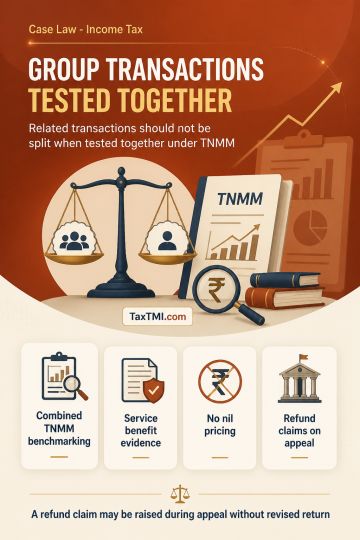
Aggregation under TNMM prevents selective testing of intra-group services without comparable uncontrolled transactions, while appellate additional cla...
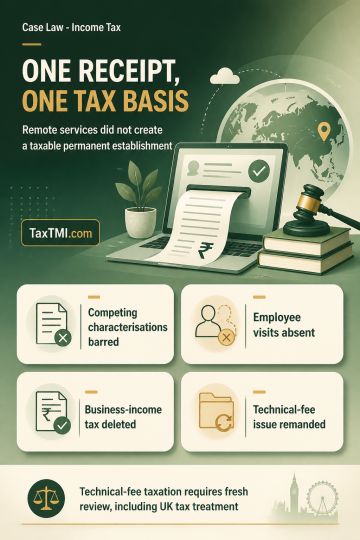
Protective assessment cannot duplicate identical receipts under competing characterisations; remote services did not establish a taxable permanent est...
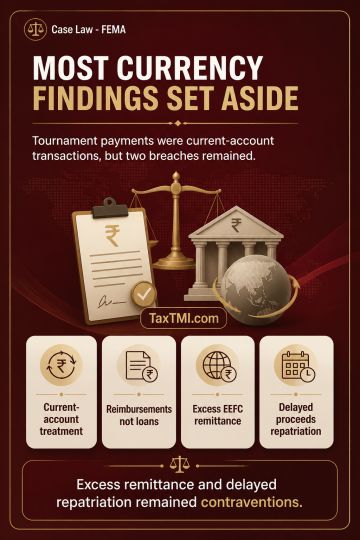
Current account treatment of overseas tournament services removed most FEMA findings, but excess EEFC remittance and delayed repatriation remained bre...
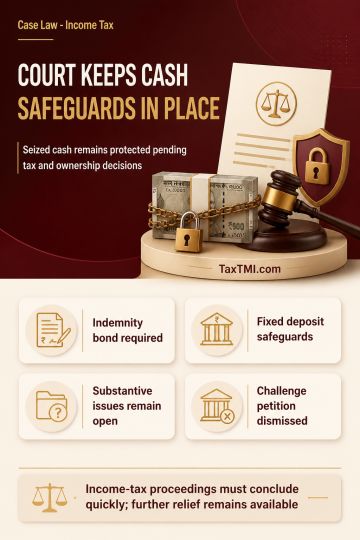
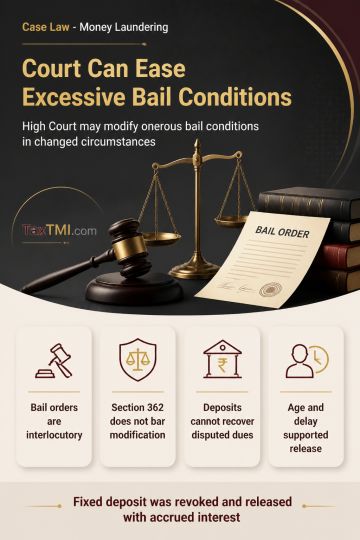
Modification of bail conditions remains available through inherent jurisdiction where onerous deposits undermine justice and cannot recover disputed d...
The assessee trust claimed depreciation on assets, but the documents like balance sheet, income and expenditure account, and depreciation chart were not signed by auditors, chairman or accountant. The issue of depreciation claim requires verification of records to determine if assets were considered for application of income earned. Therefore, the matter was restored to the Assessing Officer to verify records, allow depreciation benefit u/s 11 after granting reasonable opportunity of hearing to the assessee. Regarding payment to a specified person, there is no provision to add advance given to income. Relying on a case, it was held that when money advanced for an agreement was returned with interest after cancellation, it cannot be treated as violation of Section 13(1)(c). Hence, this ground was allowed. Additions on account of interest-free advances given to various persons were confirmed. It was held that a mere book entry cannot be income unless income has actually resulted. The reduction in income was part of an agreement for a long-term managing agency arrangement, not a gift. Considering the facts and legal position, the additions were upheld.
The assessee trust claimed depreciation on assets, but the documents like balance sheet, income and expenditure account, and depreciation chart were not signed by auditors, chairman or accountant. The issue of depreciation claim requires verification of records to determine if assets were considered for application of income earned. Therefore, the matter was restored to the Assessing Officer to verify records, allow depreciation benefit u/s 11 after granting reasonable opportunity of hearing to the assessee. Regarding payment to a specified person, there is no provision to add advance given to income. Relying on a case, it was held that when money advanced for an agreement was returned with interest after cancellation, it cannot be treated as violation of Section 13(1)(c). Hence, this ground was allowed. Additions on account of interest-free advances given to various persons were confirmed. It was held that a mere book entry cannot be income unless income has actually resulted. The reduction in income was part of an agreement for a long-term managing agency arrangement, not a gift. Considering the facts and legal position, the additions were upheld.
Note: It is a system-generated summary and is for quick reference only.
 TaxTMI
 of 4800




 Join Channel


 TaxTMI
