Transaction value rejection requires reliable corroboration; refundable VAT is excluded and temporary registration does not defeat new-vehicle exempti...
Appellate jurisdiction remains available where a wrist-worn gold ornament cannot conclusively be characterised as imported baggage at the preliminary ...
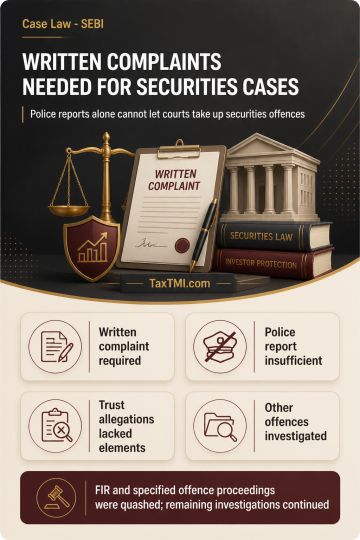
Written complaint requirement bars cognizance on police reports for securities offences, while unsupported breach of trust and cheating allegations fa...
Risk-based postal import clearance standardises electronic assessment, document requests, duty realisation and delivery controls at Foreign Post Offic...
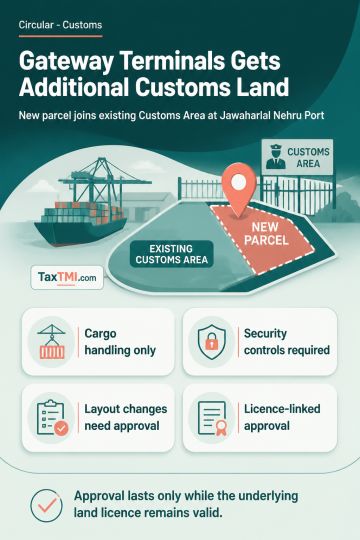
Customs Cargo Service Provider appointment extends custodianship to additional terminal land, subject to cargo-control, security and licence condition...
The Appellate Tribunal set aside the Adjudicating Authority's order directing a transaction audit and allowing the application for dissolution u/s 54 of the IBC and Regulation 14 of the Liquidation Regulations. The scheme of the IBC mandates that dissolution is a subsequent step after complete liquidation, which was not undertaken in this case. The CIRP was completed without a resolution plan, despite publication of Form-G twice. No liquidation order was passed u/s 33(1). Since the CoC, consisting of the sole Financial Creditor who initiated CIRP, decided not to contribute towards liquidation costs and the CIRP period ended, the RP should have intimated the Registrar of Companies for striking off the company's name instead of resorting to Section 54. The Appellate Tribunal's judgment in Shyson Thomas was distinguished as a case where the Adjudicating Authority exercised its jurisdiction to direct dissolution.
The Appellate Tribunal set aside the Adjudicating Authority's order directing a transaction audit and allowing the application for dissolution u/s 54 of the IBC and Regulation 14 of the Liquidation Regulations. The scheme of the IBC mandates that dissolution is a subsequent step after complete liquidation, which was not undertaken in this case. The CIRP was completed without a resolution plan, despite publication of Form-G twice. No liquidation order was passed u/s 33(1). Since the CoC, consisting of the sole Financial Creditor who initiated CIRP, decided not to contribute towards liquidation costs and the CIRP period ended, the RP should have intimated the Registrar of Companies for striking off the company's name instead of resorting to Section 54. The Appellate Tribunal's judgment in Shyson Thomas was distinguished as a case where the Adjudicating Authority exercised its jurisdiction to direct dissolution.
Note: It is a system-generated summary and is for quick reference only.
 TaxTMI
 of 4788






 Join Channel


 TaxTMI