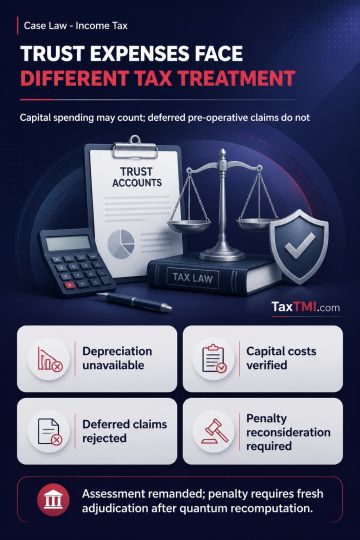
Charitable trust income application permits verified capital expenditure but rejects deferred pre-operative claims and requires reconsideration of con...
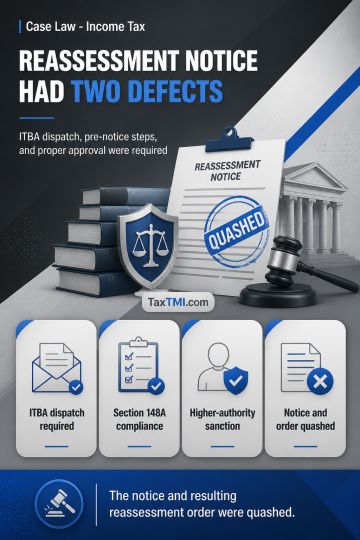
Reinsurance premium deductions require established regulatory breaches, while independently acquired software qualifies within the computer depreciati...
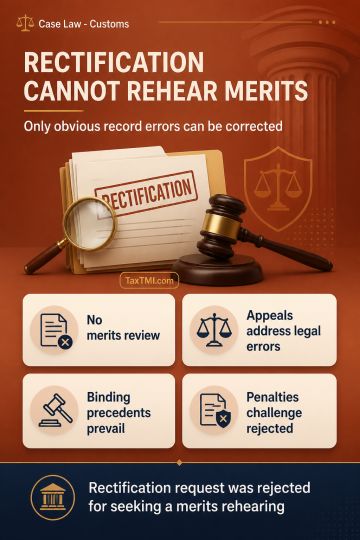
Rectification of mistake remains limited to self-evident record errors, preventing merits review through miscellaneous applications and preserving fin...
Tender creditworthiness conditions may extend to de facto Promoter Directors, with post-participation challenges generally barred absent arbitrariness...
Corporate representation in PMLA summons proceedings permitted through an authorised signatory, subject to directors' continuing cooperation and atten...
The Appellate Tribunal ruled that the Resolution Professional (RP) was entitled to possess the land admeasuring 10.81 acres, where the corporate debtor had constructed the Canary Greens project. The development agreement envisaged 50% shares to the owners and 50% shares (10.81 acres) to the developer. The corporate debtor, having obtained development rights through agreements, was in possession of the project land. The definition of 'property' under the IBC includes development rights, as clarified by the Supreme Court. The Adjudicating Authority erred in observing that the RP could not prove physical possession, as sufficient evidence established the corporate debtor's possession. The Appellate Tribunal held that the Adjudicating Authority was competent to decide the possession issue without relegating it to a civil court. Excluding the 10.81 acres from the corporate insolvency resolution process, as sought by the owners, was not warranted.
The Appellate Tribunal ruled that the Resolution Professional (RP) was entitled to possess the land admeasuring 10.81 acres, where the corporate debtor had constructed the Canary Greens project. The development agreement envisaged 50% shares to the owners and 50% shares (10.81 acres) to the developer. The corporate debtor, having obtained development rights through agreements, was in possession of the project land. The definition of 'property' under the IBC includes development rights, as clarified by the Supreme Court. The Adjudicating Authority erred in observing that the RP could not prove physical possession, as sufficient evidence established the corporate debtor's possession. The Appellate Tribunal held that the Adjudicating Authority was competent to decide the possession issue without relegating it to a civil court. Excluding the 10.81 acres from the corporate insolvency resolution process, as sought by the owners, was not warranted.
Note: It is a system-generated summary and is for quick reference only.
 TaxTMI
 of 4800
















 Join Channel


 TaxTMI
