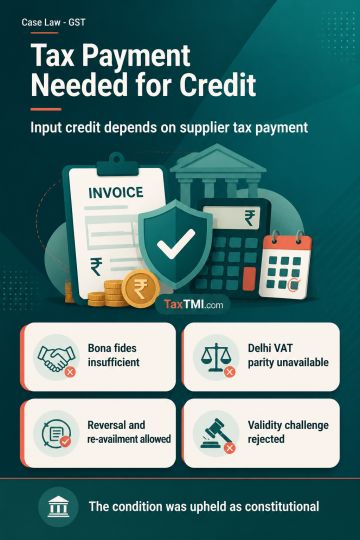
Input tax credit conditions remain constitutionally valid, with eligible recipient claims considered under GST circulars and retrospective filing dead...
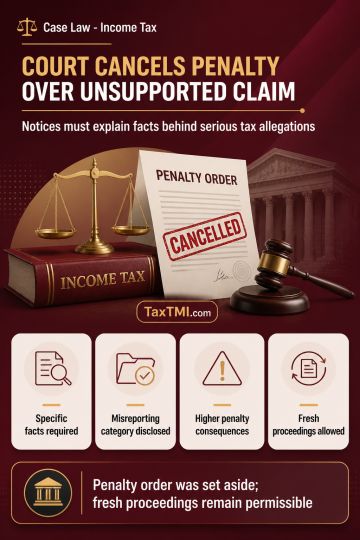
Bogus donation receipts justified commission income assessment and defeated political-party tax exemption for inaccurate accounts and reporting failur...
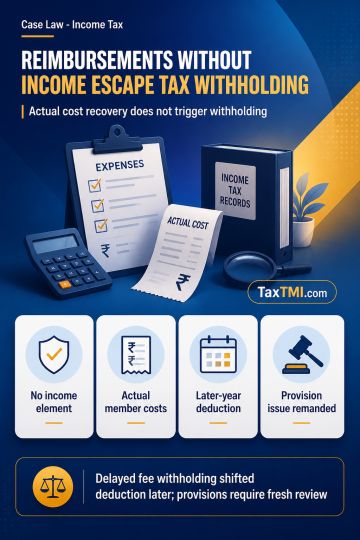
Pure reimbursement without income element escapes tax withholding, while delayed withholding and unsupported provisions face deferred or renewed scrut...
Public benefit requirement defeats charitable registration where residents' association services are reciprocal, member-only facilities governed by mu...
Exempt-income expenditure disallowance is confined to investments that actually generated exempt income, while supported business expenses remain dedu...
The Appellate Tribunal ruled that the Resolution Professional (RP) was entitled to possess the land admeasuring 10.81 acres, where the corporate debtor had constructed the Canary Greens project. The development agreement envisaged 50% shares to the owners and 50% shares (10.81 acres) to the developer. The corporate debtor, having obtained development rights through agreements, was in possession of the project land. The definition of 'property' under the IBC includes development rights, as clarified by the Supreme Court. The Adjudicating Authority erred in observing that the RP could not prove physical possession, as sufficient evidence established the corporate debtor's possession. The Appellate Tribunal held that the Adjudicating Authority was competent to decide the possession issue without relegating it to a civil court. Excluding the 10.81 acres from the corporate insolvency resolution process, as sought by the owners, was not warranted.
The Appellate Tribunal ruled that the Resolution Professional (RP) was entitled to possess the land admeasuring 10.81 acres, where the corporate debtor had constructed the Canary Greens project. The development agreement envisaged 50% shares to the owners and 50% shares (10.81 acres) to the developer. The corporate debtor, having obtained development rights through agreements, was in possession of the project land. The definition of 'property' under the IBC includes development rights, as clarified by the Supreme Court. The Adjudicating Authority erred in observing that the RP could not prove physical possession, as sufficient evidence established the corporate debtor's possession. The Appellate Tribunal held that the Adjudicating Authority was competent to decide the possession issue without relegating it to a civil court. Excluding the 10.81 acres from the corporate insolvency resolution process, as sought by the owners, was not warranted.
Note: It is a system-generated summary and is for quick reference only.
 TaxTMI
 of 4796

















 Join Channel


 TaxTMI